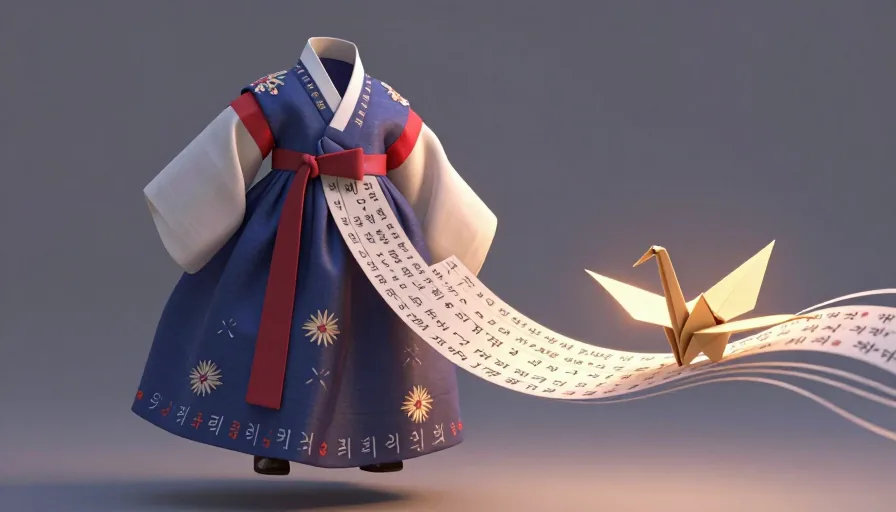
Mastering the Korean Language of Happy Birthday: Formal, Polite, and Casual Greetings
Celebrating birthdays is a universal joy, and knowing the korean language of happy birthday greetings can make your wishes more meaningful. Whether you're addressing a close friend, a respected elder, or a colleague, understanding the nuances of Korean birthday greetings is essential. This guide will walk you through the different ways to say 'Happy Birthday' in Korean, including formal, polite, and casual phrases, pronunciation guides, and the beloved Korean birthday song.
Understanding Korean Formality Levels in Greetings
Korean is a language that places a strong emphasis on formality and respect. The level of formality in your greeting depends on your relationship with the person and the context of the situation. Here are the key levels of formality you need to know:
- Formal (존댓말 - jondaemal): Used with elders, superiors, or people you meet for the first time.
- Polite (반말 - banmal): Used with peers, friends, or people younger than you.
- Casual (반말 - banmal): Used with close friends, family, or people you are very familiar with.
Formal Greetings
When addressing someone with a higher status or someone you are meeting for the first time, use the formal greeting:
- 생일 축하합니다 (saeng-il chukha-ham-ni-da)
- Pronunciation: /saeng-il tʃʰukʰa ham ni da/
- Meaning: Happy Birthday
Example:
- Situation: Wishing your boss a happy birthday.
- Greeting: 생일 축하합니다 (saeng-il chukha-ham-ni-da).
Polite Greetings
For peers, friends, or people younger than you, use the polite greeting:
- 생일 축하해요 (saeng-il chukha-hae-yo)
- Pronunciation: /saeng-il tʃʰukʰa hae yo/
- Meaning: Happy Birthday
Example:
- Situation: Wishing a colleague a happy birthday.
- Greeting: 생일 축하해요 (saeng-il chukha-hae-yo).
Casual Greetings
For close friends, family, or people you are very familiar with, use the casual greeting:
- 생일 축하해 (saeng-il chukha-hae)
- Pronunciation: /saeng-il tʃʰukʰa hae/
- Meaning: Happy Birthday
Example:
- Situation: Wishing your best friend a happy birthday.
- Greeting: 생일 축하해 (saeng-il chukha-hae).
Pronunciation Guides for the Different Phrases
Pronunciation is key to sounding natural and respectful. Here are some tips to help you pronounce the different birthday greetings correctly:
-
생일 축하합니다 (saeng-il chukha-ham-ni-da)
- Break it down: 사-엥-일 / 축-하-합니다
- Focus on the rising intonation at the end.
-
생일 축하해요 (saeng-il chukha-hae-yo)
- Break it down: 사-엥-일 / 축-하-해요
- The 'yo' at the end is pronounced softly.
-
생일 축하해 (saeng-il chukha-hae)
- Break it down: 사-엥-일 / 축-하-해
- This is a shorter, more casual version.
Mini Drill: Pronunciation Practice
- Listen to the audio clips provided below and repeat after the speaker.
- Record yourself saying the phrases and compare your pronunciation with the audio.
- Practice with a language exchange partner or tutor to get real-time feedback.

Learn Languages with YouTube
Watch videos in your target language, auto-capture words into flashcards, and track your progress — all in one place.
See How It Works →Contextual Usage: When to Use Each Level of Formality
Choosing the right level of formality depends on your relationship with the person and the context. Here’s a checklist to help you decide:
-
Formal (존댓말 - jondaemal)
- Use with elders, superiors, or people you meet for the first time.
- Example: Wishing your boss a happy birthday.
-
Polite (반말 - banmal)
- Use with peers, friends, or people younger than you.
- Example: Wishing a colleague a happy birthday.
-
Casual (반말 - banmal)
- Use with close friends, family, or people you are very familiar with.
- Example: Wishing your best friend a happy birthday.
Common Mistakes to Avoid
- Overusing Formal Language: Using formal language with close friends or family can sound stiff and unnatural.
- Underusing Formal Language: Using casual language with elders or superiors can be disrespectful.
- Incorrect Pronunciation: Mispronouncing the phrases can lead to misunderstandings or awkward moments.
The Essential Korean Birthday Song
The Korean birthday song is a fun and engaging way to celebrate someone's special day. The song is simple and easy to learn, making it a great addition to any birthday celebration.
Lyrics and Pronunciation
- Lyrics: 생일 축하합니다, 생일 축하합니다, 생일 축하합니다, 생일 축하합니다.
- Pronunciation: /saeng-il tʃʰukʰa ham ni da, saeng-il tʃʰukʰa ham ni da, saeng-il tʃʰukʰa ham ni da, saeng-il tʃʰukʰa ham ni da/
How to Sing the Song
- Start with a Smile: Singing with a smile makes the song more enjoyable for everyone.
- Follow the Melody: The melody is similar to the English 'Happy Birthday' song, making it easy to follow.
- Practice with Friends: Singing the song with friends or family can make the celebration more memorable.
Mini Drill: Sing-Along Practice
- Listen to the audio clip of the Korean birthday song below.
- Sing along with the audio, focusing on the melody and pronunciation.
- Practice with friends or family to make the celebration more fun.
Different Ways to Wish Someone a Happy Birthday Based on Relationships
Knowing how to tailor your birthday wishes based on your relationship with the person can make your greetings more meaningful. Here are some examples:
Formal Wishes
- To a Superior or Elder: 생일 축하합니다. 건강하고 행복한 하루 되세요. (saeng-il chukha-ham-ni-da. geongang-hago haengbokhan ha-ru doe-se-yo.)
- Meaning: Happy Birthday. May you have a healthy and happy day.
Polite Wishes
- To a Colleague or Peer: 생일 축하해요. 좋은 하루 되세요. (saeng-il chukha-hae-yo. jo-eun ha-ru doe-se-yo.)
- Meaning: Happy Birthday. Have a good day.
Casual Wishes
- To a Close Friend or Family Member: 생일 축하해. 즐거운 하루 되세요. (saeng-il chukha-hae. jeulgeun ha-ru doe-se-yo.)
- Meaning: Happy Birthday. Have a fun day.
Mini Drill: Personalized Wishes
- Think of three people in your life and determine the appropriate level of formality for each.
- Write down a personalized birthday wish for each person using the appropriate greeting.
- Practice delivering your wishes with the correct pronunciation and intonation.
Conclusion
Mastering the korean language of happy birthday greetings can enhance your language skills and make your birthday wishes more meaningful. By understanding the different levels of formality, practicing pronunciation, and incorporating the Korean birthday song, you can celebrate birthdays like a native speaker. Happy learning, and happy birthdays!
FAQ
What is the difference between '생일 축하합니다' and '생일 축하해요'?
'생일 축하합니다' is a formal greeting used with elders, superiors, or people you meet for the first time. '생일 축하해요' is a polite greeting used with peers, friends, or people younger than you.
Can I use the casual greeting '생일 축하해' with anyone?
No, the casual greeting '생일 축하해' should only be used with close friends, family, or people you are very familiar with. Using it with elders or superiors can be disrespectful.
How do I pronounce '생일 축하합니다' correctly?
To pronounce '생일 축하합니다' correctly, break it down into 사-엥-일 / 축-하-합니다 and focus on the rising intonation at the end. Listen to audio clips and practice repeatedly to improve your pronunciation.
What is the Korean birthday song, and how do I sing it?
The Korean birthday song is a simple and fun song to celebrate someone's birthday. The lyrics are '생일 축하합니다, 생일 축하합니다, 생일 축하합니다, 생일 축하합니다.' The melody is similar to the English 'Happy Birthday' song, making it easy to follow. Practice with friends or family to make the celebration more memorable.
Related phrases
Start with Metheus
Watch videos in your target language, auto-capture words into flashcards, and track your progress — all in one place.
Get Started →

