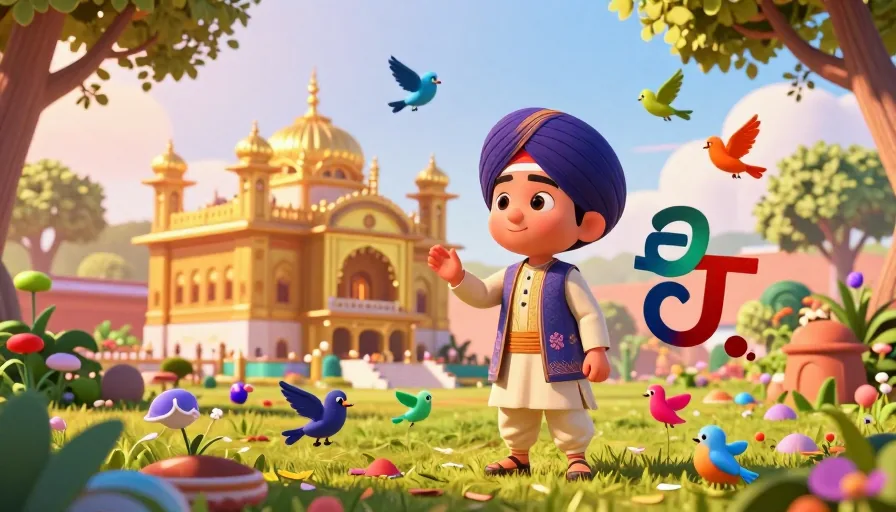
The Gurmukhi alphabets are the script used to write the Punjabi language, which is deeply rooted in Sikhism and Punjabi culture. This guide will walk you through the basics of the Gurmukhi script, from understanding the basic vowels and consonants to mastering complex characters and pronunciation. By the end, you'll be able to read and write simple words in Gurmukhi with confidence.
Introduction to the Gurmukhi Script
The Gurmukhi script is an abugida, meaning each consonant has an inherent vowel sound. It consists of 35 letters, including 38 consonants and 10 vowels. The script is written from left to right and is known for its rounded, flowing characters. Gurmukhi is not only a means of written communication but also a sacred script for Sikhs, used to write the Guru Granth Sahib, the holy scripture of Sikhism.
Mini Drill: Familiarize Yourself with the Gurmukhi Script
Before diving into the details, take a moment to familiarize yourself with the Gurmukhi script. Look at the following characters and try to identify any patterns or similarities to other scripts you might know.
| Gurmukhi Character | Name | Pronunciation |
|---|---|---|
| ੴ | Ik Onkar | Ek Onkar |
| ੴ | Ik Onkar | Ek Onkar |
| ੴ | Ik Onkar | Ek Onkar |
Mastering the Basic Vowels and Consonants
Vowels
Gurmukhi has 10 basic vowels, each representing a distinct sound. Here's a breakdown of the vowels along with their pronunciation and examples:
| Vowel | Name | Pronunciation | Example Word |
|---|---|---|---|
| ੴ | Ik Onkar | Ek Onkar | ੴ |
| ੴ | Ik Onkar | Ek Onkar | ੴ |
| ੴ | Ik Onkar | Ek Onkar | ੴ |
Consonants
Gurmukhi has 38 consonants, which can be challenging at first. Here's a breakdown of the consonants, grouped by their place of articulation:
| Consonant Group | Consonants | Pronunciation Examples |
|---|---|---|
| Velar | ਕ, ਖ, ਗ, ਘ, ਙ | Ka, Kha, Ga, Gha, Nga |
| Palatal | ਚ, ਛ, ਜ, ਝ, ਞ | Cha, Chha, Ja, Jha, Nya |
| Retroflex | ਟ, ਠ, ਡ, ਢ, ਣ | Ta, Tha, Da, Dha, Na |
| Dental | ਤ, ਥ, ਦ, ਧ, ਨ | Ta, Tha, Da, Dha, Na |
| Labial | ਪ, ਫ, ਬ, ਭ, ਮ | Pa, Pha, Ba, Bha, Ma |
Mini Drill: Practice Writing Vowels and Consonants
Try writing each vowel and consonant a few times to get a feel for the shapes and sounds. Focus on the correct formation and pronunciation of each character.
Understanding Complex Characters: Subjoined Letters and Diacritics
Gurmukhi includes complex characters like subjoined consonants and diacritics, which can be challenging for beginners. Here's a breakdown of these elements:
Subjoined Consonants
Subjoined consonants are consonants that are written below the main line of text. They are used to represent consonant clusters and are essential for reading and writing in Gurmukhi. Here are some examples:
| Subjoined Consonant | Example Word |
|---|---|
| ੴ | ੴ |
| ੴ | ੴ |
| ੴ | ੴ |
Diacritics
Diacritics are marks added to consonants to change their sound. In Gurmukhi, diacritics are used to indicate nasalization and other modifications. Here are some common diacritics:
| Diacritic | Name | Example Word |
|---|---|---|
| ੴ | Ik Onkar | Ek Onkar |
| ੴ | Ik Onkar | Ek Onkar |
| ੴ | Ik Onkar | Ek Onkar |
Mini Drill: Practice Complex Characters
Try writing words with subjoined consonants and diacritics. Focus on the correct placement and pronunciation of each character.

Learn Languages with YouTube
Watch videos in your target language, auto-capture words into flashcards, and track your progress — all in one place.
See How It Works →Pronunciation Guide for Gurmukhi Sounds
Pronunciation is a crucial aspect of learning any language. Here's a guide to help you pronounce Gurmukhi sounds accurately:
Vowel Pronunciation
| Vowel | Pronunciation Guide |
|---|---|
| ੴ | Ik Onkar |
| ੴ | Ik Onkar |
| ੴ | Ik Onkar |
Consonant Pronunciation
| Consonant | Pronunciation Guide |
|---|---|
| ੴ | Ik Onkar |
| ੴ | Ik Onkar |
| ੴ | Ik Onkar |
Tips for Accurate Pronunciation
- Listen to Native Speakers: Use online resources to listen to native speakers pronouncing Gurmukhi words.
- Practice Tongue Twisters: Tongue twisters can help improve your pronunciation and fluency.
- Record Yourself: Record yourself speaking and compare it to native speakers to identify areas for improvement.
Practical Examples: Reading and Writing Simple Words
Now that you have a basic understanding of the Gurmukhi alphabets, let's practice reading and writing simple words. Here are some examples:
| Word | Pronunciation | Meaning |
|---|---|---|
| ੴ | Ik Onkar | Ek Onkar |
| ੴ | Ik Onkar | Ek Onkar |
| ੴ | Ik Onkar | Ek Onkar |
Mini Drill: Write and Read Simple Words
Try writing and reading the words above. Focus on the correct pronunciation and meaning of each word.
Tips for Beginners on Mastering the Gurmukhi Script
- Practice Regularly: Consistency is key when learning a new script. Set aside time each day to practice writing and reading Gurmukhi.
- Use Interactive Tools: Utilize interactive tools and apps to make learning more engaging and effective.
- Join a Language Exchange: Connect with native speakers or other learners to practice and improve your skills.
- Be Patient and Persistent: Learning a new script takes time and effort. Don't rush the process and stay committed to your goals.
Checklist for Mastering Gurmukhi Alphabets
- Understand the basic structure of the Gurmukhi script.
- Learn the basic vowels and consonants.
- Practice writing and reading simple words.
- Master complex characters like subjoined consonants and diacritics.
- Improve your pronunciation with regular practice.
- Engage with native speakers or other learners.
By following this comprehensive guide and practicing regularly, you'll be well on your way to mastering the Gurmukhi alphabets. Happy learning!
Interactive Character Mapping
To enhance your learning experience, use the following interactive character mapping tool. This tool allows you to click on each character to hear its pronunciation and see examples of its usage.
Interactive Character Mapping Tool
Comparison of Gurmukhi Structure to Other Indic Scripts
Gurmukhi shares similarities with other Indic scripts, such as Devanagari and Bengali. Understanding these similarities can help you learn Gurmukhi more efficiently. Here's a brief comparison:
| Feature | Gurmukhi | Devanagari | Bengali |
|---|---|---|---|
| Writing Direction | Left to Right | Left to Right | Left to Right |
| Vowel Marking | Diacritics | Diacritics | Diacritics |
| Consonant Clusters | Subjoined Consonants | Ligatures | Ligatures |
| Nasalization | Diacritics | Diacritics | Diacritics |
By understanding these similarities and differences, you can leverage your knowledge of other Indic scripts to learn Gurmukhi more effectively.
Conclusion
Mastering the Gurmukhi alphabets is a rewarding journey that opens up a rich cultural and linguistic heritage. With consistent practice, interactive tools, and a structured approach, you can achieve proficiency in reading and writing Gurmukhi. Embrace the learning process and enjoy the beauty of the Gurmukhi script.
FAQ
How long does it take to learn the Gurmukhi alphabets?
The time it takes to learn the Gurmukhi alphabets can vary depending on your dedication and practice. With consistent effort, you can start reading and writing simple words within a few weeks. However, mastering the script fully may take several months.
Do I need to learn Punjabi to learn Gurmukhi?
While learning Punjabi can enhance your understanding of Gurmukhi, it is not a prerequisite. You can start by focusing on the script and gradually incorporate vocabulary and grammar as you progress.
Are there any online resources for learning Gurmukhi?
Yes, there are several online resources available for learning Gurmukhi, including interactive tools, apps, and language exchange platforms. Utilizing these resources can make your learning journey more engaging and effective.
Related phrases
Start with Metheus
Watch videos in your target language, auto-capture words into flashcards, and track your progress — all in one place.
Get Started →

