Mastering Mandarin for Happy Birthday: A Comprehensive Guide
Learning how to say 'Mandarin for happy birthday' is a wonderful way to connect with Chinese-speaking friends, family, and colleagues. This guide will provide you with essential phrases, cultural context, and practical examples to help you master birthday greetings in Mandarin.
The Essential 'Happy Birthday' Phrases
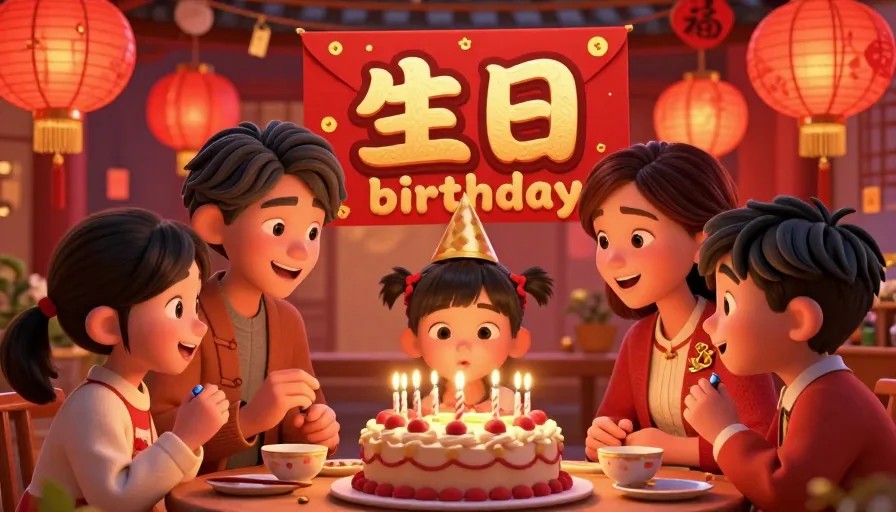
Start with the basics. The most common way to say 'Happy Birthday' in Mandarin is 生日快乐 (Shēngrì kuàilè). This phrase is versatile and can be used in most situations.
Pronunciation Practice
- 生日 (Shēngrì): Pronounced as 'shung-ree,' this means 'birthday.'
- 快乐 (Kuàilè): Pronounced as 'kwai-luh,' this means 'happy.'
Common Mistakes
Avoid these common mistakes:
- Incorrect Tone: Mandarin is a tonal language. Ensure you use the correct tones for each syllable.
- Overly Formal Language: For casual settings, stick to simple phrases.
Mini Drill
Practice saying the following phrases aloud:
- 生日快乐 (Shēngrì kuàilè)
- 生日快乐 (Shēngrì kuàilè)
- 生日快乐 (Shēngrì kuàilè)
Birthday Wishes for Family and Close Friends
For family and close friends, you can use more affectionate and personalized greetings.
Examples
- 祝你生日快乐 (Zhù nǐ shēngrì kuàilè): This means 'Wish you a happy birthday.' It's a bit more formal but still warm.
- 生日快乐,万事如意 (Shēngrì kuàilè, wànshì rúyì): This means 'Happy Birthday and may all your wishes come true.' It's a heartfelt wish for good fortune.
Cultural Tips
- Gift Giving: In Chinese culture, giving red envelopes (hongbao) with money is a common practice.
- Age: In Chinese culture, age is often celebrated, so mentioning the person's age in your greeting can be a nice touch.
Formal Greetings for Colleagues and Business Contacts
When greeting colleagues or business contacts, it's important to maintain a level of formality.
Examples
- 祝您生日快乐 (Zhù nín shēngrì kuàilè): This means 'Wish you a happy birthday.' It's more formal and respectful.
- 生日快乐,工作顺利 (Shēngrì kuàilè, gōngzuò shùnlì): This means 'Happy Birthday and may your work go smoothly.' It's a professional and respectful greeting.
Cultural Tips
- Respect Hierarchy: In Chinese business culture, respect for hierarchy is important. Use more formal language when addressing superiors.
- Gift Giving: For colleagues, a small gift or card is appropriate. Avoid overly personal gifts.

Learn Languages with YouTube
Watch videos in your target language, auto-capture words into flashcards, and track your progress — all in one place.
See How It Works →Romantic Birthday Wishes
For romantic partners, you can express your love and affection with more personal and intimate greetings.
Examples
- 亲爱的,生日快乐 (Qín'ài de, shēngrì kuàilè): This means 'Dear, happy birthday.' It's a sweet and affectionate greeting.
- 生日快乐,我爱你 (Shēngrì kuàilè, wǒ ài nǐ): This means 'Happy Birthday, I love you.' It's a romantic and heartfelt wish.
Cultural Tips
- Public Displays of Affection: In Chinese culture, public displays of affection are generally more subtle. Keep your greetings affectionate but respectful.
- Personal Touches: Adding personal touches, like mentioning a shared memory or inside joke, can make your greeting more meaningful.
Cultural Etiquette for Birthday Wishes
Understanding the cultural context can help you give more meaningful birthday wishes.
Checklist for Giving Birthday Wishes
- Choose the Right Phrase: Use the appropriate phrase based on your relationship with the person.
- Pronunciation: Practice the pronunciation to ensure you get it right.
- Gift Giving: Consider the cultural norms for gift-giving.
- Respect Hierarchy: Use formal language when addressing superiors or elders.
- Personal Touches: Add personal touches to make your greeting more meaningful.
Common Mistakes to Avoid
- Overly Casual Language: Avoid using overly casual language with elders or superiors.
- Ignoring Cultural Norms: Be aware of cultural norms for gift-giving and public displays of affection.
Mini Drill
Practice the following phrases with the correct tones:
- 祝您生日快乐 (Zhù nín shēngrì kuàilè)
- 生日快乐,工作顺利 (Shēngrì kuàilè, gōngzuò shùnlì)
- 亲爱的,生日快乐 (Qín'ài de, shēngrì kuàilè)
Conclusion
Mastering Mandarin for happy birthday greetings can enhance your language skills and cultural understanding. By using the right phrases and following cultural etiquette, you can make your birthday wishes more meaningful and heartfelt.
Practice Checklist
- Pronunciation Practice: Spend 10 minutes each day practicing the phrases aloud.
- Cultural Research: Learn more about Chinese birthday traditions and customs.
- Personalize Greetings: Add personal touches to your greetings to make them more meaningful.
- Feedback: Ask a native speaker for feedback on your pronunciation and language use.
- Consistency: Practice regularly to improve your language skills and cultural understanding.
FAQ
What is the most common way to say 'Happy Birthday' in Mandarin?
The most common way to say 'Happy Birthday' in Mandarin is **生日快乐 (Shēngrì kuàilè)**. This phrase is versatile and can be used in most situations.
How do I address a superior or elder for their birthday in Mandarin?
When addressing a superior or elder, use more formal language. A suitable phrase is **祝您生日快乐 (Zhù nín shēngrì kuàilè)**, which means 'Wish you a happy birthday.'
What are some cultural tips for giving birthday wishes in Chinese culture?
In Chinese culture, respect for hierarchy and subtle public displays of affection are important. Consider the recipient's relationship to you and choose an appropriate phrase. Gift-giving, especially red envelopes (hongbao) with money, is a common practice.
Related phrases
Start with Metheus
Watch videos in your target language, auto-capture words into flashcards, and track your progress — all in one place.
Get Started →

