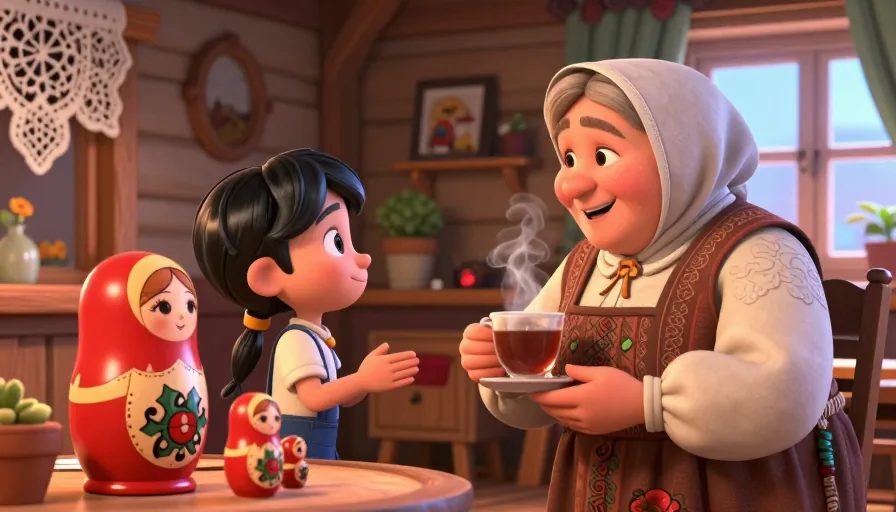
Greetings in Russian are more than just words; they are a reflection of the rich social fabric of the country. Understanding the nuances behind different greetings can significantly enhance your language learning journey. This guide will delve into the social context, pronunciation, and appropriate use of various greetings in Russian, ensuring you can navigate different social situations with confidence.
Understanding Russian Social Etiquette in Greetings
Russian social etiquette is deeply rooted in respect and formality. The choice of greeting often depends on the level of familiarity, age, and social status of the individuals involved. Here are some key points to consider:
- Age and Status: Older individuals and those in positions of authority are typically greeted with more formal expressions.
- Familiarity: Close friends and family use informal greetings, while acquaintances and strangers require more formal addresses.
- Context: The setting and purpose of the interaction also influence the choice of greeting.
Checklist for Choosing the Right Greeting
- Determine the level of formality required.
- Consider the age and status of the person you are greeting.
- Assess the context and purpose of the interaction.
- Practice common greetings in various scenarios.
The Essential Russian Greeting Toolkit: From Formal to Friendly
Formal Greetings
-
Здравствуйте (Zdravstvuyte)
- Pronunciation: /zdrast-vuy-teh/
- Usage: Formal situations, such as meeting someone for the first time, in professional settings, or addressing elders.
- Example: Здравствуйте, Иван Иванович! (Hello, Ivan Ivanovich!)
-
Добрый день (Dobryy den')
- Pronunciation: /dob-ree den'/
- Usage: Formal or semi-formal greetings during the daytime.
- Example: Добрый день, Мария Сергеевна! (Good day, Maria Sergeevna!)
Informal Greetings
-
Привет (Privet)
- Pronunciation: /pree-vyet/
- Usage: Casual greetings among friends and peers.
- Example: Привет, Саша! (Hi, Sasha!)
-
Приветик (Privyetik)
- Pronunciation: /pree-vyeh-tik/
- Usage: Very informal and friendly, often used among close friends or children.
- Example: Приветик, Лена! (Hi there, Lena!)
Greetings for Specific Situations
-
Доброе утро (Dobroye utro)
- Pronunciation: /dob-roh-yeh oo-troh/
- Usage: Morning greetings, both formal and informal.
- Example: Доброе утро, коллеги! (Good morning, colleagues!)
-
Добрый вечер (Dobryy vecher)
- Pronunciation: /dob-ree veh-chehr/
- Usage: Evening greetings, both formal and informal.
- Example: Добрый вечер, друзья! (Good evening, friends!)

Learn Languages with YouTube
Watch videos in your target language, auto-capture words into flashcards, and track your progress — all in one place.
See How It Works →Pronunciation Deep Dive: Mastering Key Russian Greetings
Pronunciation is crucial for effective communication. Here are some tips to help you master the pronunciation of key Russian greetings:
- Listen and Repeat: Use language learning apps or videos to listen to native speakers and repeat after them.
- Phonetic Breakdown: Break down the words into syllables and practice each part individually.
- Practice with a Partner: Find a language exchange partner to practice greetings in real-time conversations.
Mini Drill: Pronunciation Practice
- Listen to the pronunciation of Здравствуйте and repeat it five times.
- Practice saying Добрый день in different contexts, such as at work or in a formal meeting.
- Record yourself saying Привет and Приветик and compare it with a native speaker's pronunciation.
The Formality Matrix: Navigating Russian Greetings
Understanding the formality matrix can help you choose the right greeting in different social situations. Here’s a breakdown:
| Greeting | Formality Level | Context Examples | Age/Status Considerations |
|---|---|---|---|
| Здравствуйте | High | Professional meetings, elders | Older, higher status |
| Добрый день | Medium | Workplace, semi-formal events | Any, daytime |
| Привет | Low | Friends, peers, casual settings | Younger, peers |
| Приветик | Very Low | Close friends, children | Very close, younger |
Common Variations and Nuances
Здравствуйте vs. Привет
- Здравствуйте is a formal greeting used in professional and respectful contexts. It is equivalent to saying 'Hello' in a formal setting.
- Привет is an informal greeting used among friends and peers. It is similar to saying 'Hi' in a casual setting.
Common Mistakes to Avoid
- Overformality: Using Здравствуйте with close friends or younger individuals can come across as stiff or awkward.
- Underformality: Using Привет in professional settings or with elders can be disrespectful.
- Incorrect Pronunciation: Mispronouncing greetings can lead to misunderstandings and awkward moments.
Interactive Examples
- Meeting a New Colleague: Use Здравствуйте to show respect and professionalism.
- Greeting a Friend at a Café: Use Привет to maintain a casual and friendly tone.
- Addressing an Elder in a Formal Setting: Use Здравствуйте to show respect for their age and status.
- Greeting a Child: Use Приветик to create a warm and friendly atmosphere.
Conversational Flow: Beyond Rote Memorization
Learning greetings is just the beginning. To truly master Russian, focus on the flow of conversation. Here are some tips:
- Contextual Practice: Use greetings in real-life scenarios, such as ordering food at a restaurant or asking for directions.
- Listening Skills: Pay attention to how native speakers use greetings in different contexts and try to mimic their style.
- Cultural Immersion: Engage with Russian media, such as movies, TV shows, and music, to understand the cultural nuances behind greetings.
Checklist for Conversational Flow
- Practice greetings in different social settings.
- Listen to native speakers and mimic their pronunciation and intonation.
- Engage in language exchange programs to practice real-time conversations.
- Watch Russian media to understand cultural nuances.
Conclusion
Mastering greetings in Russian involves more than just memorizing words. It requires an understanding of social etiquette, pronunciation, and context. By following this comprehensive guide, you can navigate different social situations with confidence and enhance your language learning journey.
FAQ
Why is it important to use the correct greeting in Russian?
Using the correct greeting in Russian is crucial because it reflects respect for the person's age, status, and the context of the interaction. Incorrect greetings can lead to misunderstandings and may be perceived as disrespectful.
Can I use informal greetings with everyone in Russia?
No, informal greetings should be reserved for close friends and family. Using informal greetings with strangers, elders, or in professional settings can be seen as disrespectful and inappropriate.
How can I improve my pronunciation of Russian greetings?
Improve your pronunciation by listening to native speakers, breaking down the words into syllables, and practicing with a language exchange partner. Use language learning apps and videos to get real-time feedback and practice.
Related phrases
Start with Metheus
Watch videos in your target language, auto-capture words into flashcards, and track your progress — all in one place.
Get Started →

