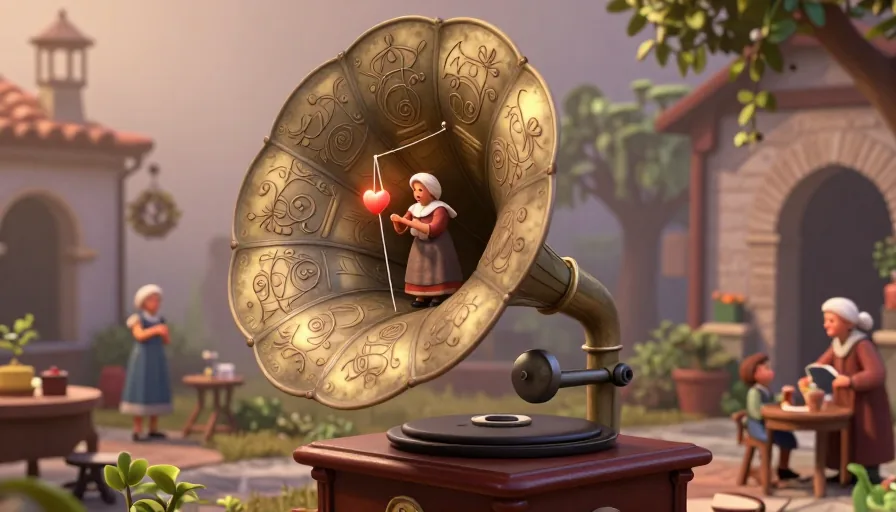
The term nonnas meaning in Italian is straightforward: it refers to 'grandmother.' However, the cultural significance and usage of 'Nonna' go far beyond a simple translation. This guide will delve into the meaning, cultural context, and practical usage of 'Nonna' in Italian-speaking communities.
What is 'Nonna'? The Meaning and Origin
The literal translation of 'Nonna' is 'grandmother.' It is a term of endearment used to refer to one's maternal or paternal grandmother. The term originates from the Latin word 'nonna,' which also means 'grandmother.' In Italian culture, 'Nonna' holds a special place, often associated with warmth, wisdom, and traditional values.
The Cultural Significance of 'Nonna'
In Italian-speaking communities, 'Nonna' is more than just a family term. It embodies the cultural values of family, tradition, and love. Grandmothers are often the keepers of family recipes, traditions, and stories. They play a crucial role in passing down cultural heritage to younger generations.
Nonnas Meaning in Different Contexts
The term 'Nonna' can be used in various contexts, each with its own nuances. For example:
- Formal Context: When introducing your grandmother to someone, you might say, "Questa è la mia nonna." (This is my grandmother.)
- Informal Context: In a casual conversation with family or close friends, you might say, "Vado a trovare la nonna oggi." (I am going to visit my grandmother today.)
- Affectionate Context: To express affection, you might say, "Ti voglio bene, nonna." (I love you, grandmother.)
Using 'Nonna' in Conversation: Context and Nuance
Understanding how to use 'Nonna' in different conversational scenarios is essential for mastering Italian family terms. Here are some practical examples:
Greeting Your Grandmother
- Italian: Ciao, nonna! Come stai?
- English: Hi, grandmother! How are you?
Talking About Your Grandmother
- Italian: La mia nonna è molto saggia.
- English: My grandmother is very wise.
Expressing Love and Affection
- Italian: La nonna mi prepara sempre i miei piatti preferiti.
- English: My grandmother always makes my favorite dishes.

Learn Languages with YouTube
Watch videos in your target language, auto-capture words into flashcards, and track your progress — all in one place.
See How It Works →Nonnas Meaning in Different Romance Languages
While 'Nonna' is specifically Italian, other Romance languages have similar terms with slight variations:
- Spanish: Abuela
- French: Grand-mère
- Portuguese: Avó
Each of these terms carries a similar cultural significance, emphasizing the importance of grandmothers in family structures.
Nonnas Meaning vs. Other Family Terms
Understanding the distinction between 'Nonna' and other related family terms is crucial for accurate communication. Here are some key distinctions:
Nonna vs. Nonno
- Nonna: Grandmother
- Nonno: Grandfather
Nonna vs. Zia
- Nonna: Grandmother
- Zia: Aunt
Nonna vs. Nipote
- Nonna: Grandmother
- Nipote: Grandchild
Practical Checklist for Using 'Nonna'
To master the use of 'Nonna' in Italian, follow this checklist:
- Learn the Basic Translation: Understand that 'Nonna' means 'grandmother.'
- Practice Greetings: Use 'Nonna' in greetings and conversations with family members.
- Contextual Usage: Practice using 'Nonna' in different contexts, such as formal, informal, and affectionate settings.
- Cultural Understanding: Learn about the cultural significance of 'Nonna' in Italian-speaking communities.
- Compare with Other Terms: Understand the distinction between 'Nonna' and other related family terms.
Mini Drills for Mastery
- Greeting Drill: Practice greeting your grandmother in Italian. "Ciao, nonna! Come stai?"
- Conversation Drill: Have a conversation about your grandmother. "La mia nonna è molto saggia."
- Affection Drill: Express love and affection to your grandmother. "La nonna mi prepara sempre i miei piatti preferiti."
By following this guide, you will gain a deeper understanding of the nonnas meaning and its cultural significance, enabling you to use it confidently in various conversational scenarios.
FAQ
Is 'Nonna' used only for maternal grandmothers?
No, 'Nonna' can refer to both maternal and paternal grandmothers. It is a general term for 'grandmother' in Italian.
How do I address my grandmother in a formal setting?
In a formal setting, you can introduce your grandmother by saying, 'Questa è la mia nonna.' (This is my grandmother.)
What is the difference between 'Nonna' and 'Nonno'?
'Nonna' refers to a grandmother, while 'Nonno' refers to a grandfather. Both terms are used to address or refer to one's grandparents.
Related phrases
Start with Metheus
Watch videos in your target language, auto-capture words into flashcards, and track your progress — all in one place.
Get Started →

