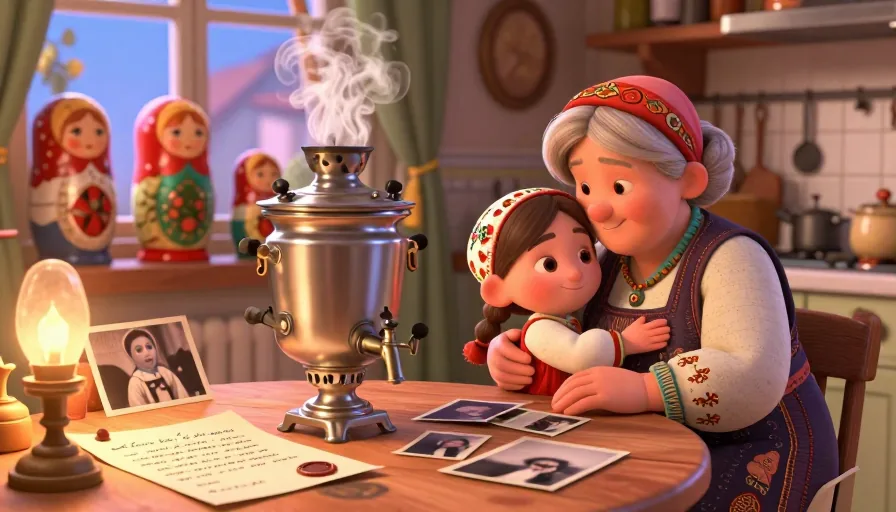
Russian terms of affection are a vital part of the language, reflecting the deep emotional bonds and cultural nuances of Russian society. Understanding and using these terms correctly can significantly enhance your communication and relationships. This guide will delve into the intricacies of Russian diminutives, provide a categorized list of common affectionate terms, and offer guidance on when and how to use them appropriately.
Understanding Russian Diminutives: The Key to Affection
Diminutives are a fundamental aspect of Russian terms of affection. They are formed by adding specific suffixes to nouns, adjectives, or proper names, creating a more endearing and intimate form. For example, the name 'Anna' can become 'Annyushka' or 'Annyusha,' adding a layer of warmth and familiarity.
Formation of Russian Diminutives
The formation of Russian diminutives follows specific patterns:
- For names ending in -a: Add '-ushka' or '-usha' (e.g., Katya -> Katyusha)
- For names ending in consonants: Add '-ka' or '-chka' (e.g., Sasha -> Sachka)
- For names ending in -ya: Add '-nya' (e.g., Tanya -> Tanyanya)
Practical Examples
- Anna -> Annyushka, Annyusha
- Katya -> Katyusha, Katyusha
- Sasha -> Sachka, Sachok
- Tanya -> Tanyanya, Tanyusha
Mini Drill
Try forming diminutives for the following names:
- Masha
- Dima
- Lena
- Vanya
Top 20 Russian Terms of Endearment for Romantic Partners
When it comes to romantic relationships, Russian terms of affection are both diverse and nuanced. Here are some of the most common terms used between partners:
- Lyubimyy/Lyubimaya (Любимый/Любимая) - My beloved
- Dorogoy/Dorogaya (Дорогой/Дорогая) - My dear
- Solnyshko (Солнышко) - Little sun
- Zaychik (Зайчик) - Little rabbit
- Kotyonok (Котёнок) - Little kitten
- Moy (Мой) - My (used with possessive case)
- Moy malysh (Мой малыш) - My little one
- Moy kroshka (Мой крошка) - My little crumb
- Moy sladkiy (Мой сладкий) - My sweet
- Moy lyubimyy/lyubimaya (Мой любимый/любимая) - My beloved
- Moy dragotsennyy (Мой драгоценный) - My precious
- Moy angel (Мой ангел) - My angel
- Moy kotenok (Мой котёнок) - My little kitten
- Moy zaychik (Мой зайчик) - My little rabbit
- Moy solnyshko (Мой солнышко) - My little sun
- Moy lyubimyy chelovek (Мой любимый человек) - My beloved person
- Moy dragotsennyy chelovek (Мой драгоценный человек) - My precious person
- Moy lyubimyy druzhok (Мой любимый дружок) - My beloved friend
- Moy dragotsennyy druzhok (Мой драгоценный дружок) - My precious friend
- Moy lyubimyy partner (Мой любимый партнёр) - My beloved partner
Contextual Usage
- Formal vs. Informal: Use 'Lyubimyy/Lyubimaya' in both formal and informal settings, but 'Zaychik' or 'Kotyonok' are strictly informal.
- Public vs. Private: Terms like 'Solnyshko' are more private and intimate, while 'Dorogoy/Dorogaya' can be used in public.

Learn Languages with YouTube
Watch videos in your target language, auto-capture words into flashcards, and track your progress — all in one place.
See How It Works →Affection Beyond Romance: Terms for Family and Friends
Russian terms of affection extend beyond romantic relationships to encompass family and friends. Here are some common terms:
- Mama (Мама) - Mom
- Papa (Папа) - Dad
- Babushka (Бабушка) - Grandma
- Dedushka (Дедушка) - Grandpa
- Bratchik (Братик) - Little brother
- Sestrenka (Сёстренка) - Little sister
- Druzhok (Дружок) - Little friend
- Podruzhka (Подружка) - Little girlfriend
- Tovarishch (Товарищ) - Comrade (used among friends)
- Kolyan (Колян) - Little Kolya (diminutive of Kolya)
Practical Examples
- Mama -> Mamulya, Mamochka
- Papa -> Papulya, Papochka
- Babushka -> Babulya, Babushulya
- Dedushka -> Dedulya, Dedushulya
Mini Drill
Try forming diminutives for the following family terms:
- Tetya (Aunt)
- Dyadya (Uncle)
- Vovochka (Grandpa)
- Vovochka (Grandma)
Cultural Nuances: When to Use Which Term
Understanding the cultural context is crucial for using Russian terms of affection appropriately. Here are some guidelines:
- Intimacy Level: Use diminutives with close friends and family. Avoid using them with acquaintances or in formal settings.
- Age and Hierarchy: Respect age and hierarchy. Older individuals or those in positions of authority may not appreciate diminutives.
- Public vs. Private: Some terms are more private and intimate, while others can be used in public.
Checklist for Appropriate Usage
- Know the person well before using diminutives.
- Respect age and hierarchy.
- Use appropriate terms in public settings.
- Avoid overusing terms of endearment.
- Be mindful of the context and relationship.
Common Mistakes to Avoid
- Overuse: Avoid using terms of endearment excessively, as it can diminish their impact.
- Inappropriate Context: Be mindful of the context. Using a term of endearment in a formal setting can be inappropriate.
- Cultural Insensitivity: Respect cultural norms and avoid using terms that may be seen as disrespectful or inappropriate.
Mini Drill
Identify the appropriate term of endearment for the following scenarios:
- Addressing your grandmother in a private setting.
- Talking to a close friend in a public place.
- Speaking to a romantic partner in a private setting.
- Addressing a colleague in a formal meeting.
- Talking to a child in a playful context.
Conclusion
Mastering Russian terms of affection involves understanding the nuances of diminutives, cultural context, and appropriate usage. By following the guidelines and examples provided in this guide, you can enhance your communication and deepen your connections with Russian speakers.
Final Checklist
- Understand the formation of Russian diminutives.
- Know the appropriate terms for different relationships.
- Respect cultural norms and context.
- Practice using terms of endearment in various scenarios.
- Avoid common mistakes and overuse.
FAQ
Can I use Russian terms of affection with anyone?
No, Russian terms of affection are typically reserved for close friends, family, and romantic partners. Using them with acquaintances or in formal settings can be inappropriate.
Are there any cultural taboos related to using Russian terms of affection?
Yes, it's important to respect age and hierarchy. Older individuals or those in positions of authority may not appreciate diminutives. Additionally, some terms are more private and intimate, so be mindful of the context.
How do I form Russian diminutives?
Russian diminutives are formed by adding specific suffixes to nouns, adjectives, or proper names. For example, 'Anna' can become 'Annyushka' or 'Annyusha.' The formation depends on the ending of the original word.
Related phrases
Start with Metheus
Watch videos in your target language, auto-capture words into flashcards, and track your progress — all in one place.
Get Started →

