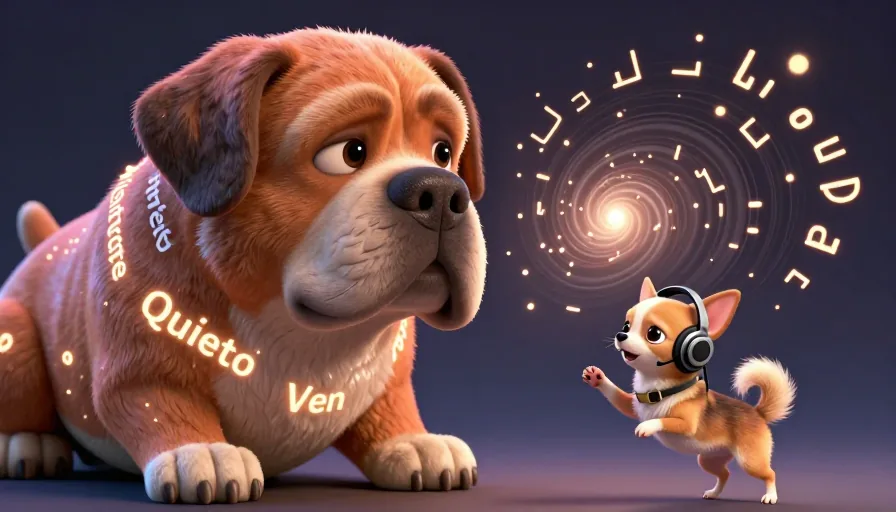
dog commands spanish: guía práctica y clara para dominar este tema en contexto real.
Mastering Dog Commands in Spanish: A Comprehensive Guide for Language Learners and Pet Owners
Learning dog commands in Spanish can be a fun and rewarding experience for both you and your pet. Whether you're a language learner looking to practice your Spanish or a pet owner planning to travel abroad, teaching your dog commands in Spanish offers numerous benefits. This guide will provide you with a comprehensive list of essential commands, pronunciation guides, and practical tips to help you teach your dog effectively.
The Essential Spanish Dog Command Vocabulary
Here is a list of essential Spanish dog commands to get you started. Each command includes its phonetic pronunciation to help you master the correct sounds.
| Command | Spanish Translation | Phonetic Pronunciation |
|---|---|---|
| Sit | Siéntate | see-EN-tah-teh |
| Stay | Quédate | keh-DAH-teh |
| Come | Ven | behn |
| No | No | no |
| Down | Abajo | ah-BAH-ho |
| Heel | Al lado | ahl LAH-doh |
| Fetch | Trae | trah-eh |
| Drop it | Suéltalo | sweh-LTA-loh |
| Good boy/girl | Buen chico/a | BWEHN chee-koh/chee-kah |
| Go | Ve | veh |
How to Teach Basic Commands in Spanish: A Step-by-Step Guide
Teaching your dog commands in Spanish involves several steps. Here's a step-by-step guide to help you get started:
Step 1: Choose Your Commands
Start with the basic commands listed above. Choose a few commands to begin with and gradually add more as your dog becomes comfortable.
Step 2: Practice Pronunciation
Use the phonetic pronunciations provided to practice saying the commands correctly. Consistency in pronunciation is key to helping your dog understand the commands.
Step 3: Associate Commands with Actions
Begin by giving the command in Spanish and immediately following it with the action. For example, say "Siéntate" (sit) and gently guide your dog into a sitting position. Repeat this process several times a day.
Step 4: Use Positive Reinforcement
Reward your dog with treats, praise, or petting when they successfully follow a command. Positive reinforcement helps your dog associate the command with a positive experience, making them more likely to obey.
Step 5: Practice in Different Environments
Once your dog is comfortable with the commands in a familiar setting, practice in different environments to help them generalize the commands. For example, practice "Ven" (come) in the park or at the dog park.
Step 6: Gradually Phase Out Visual Cues
As your dog becomes more proficient, gradually phase out visual cues and rely more on the verbal command alone. This helps your dog understand that the command itself is the signal to perform the action.
Beyond 'Sit': Intermediate and Advanced Spanish Commands
Once your dog has mastered the basic commands, you can move on to more intermediate and advanced commands. Here are some examples:
| Command | Spanish Translation | Phonetic Pronunciation |
|---|---|---|
| Roll over | Roda | ROH-dah |
| Play dead | Juega muerto | HWEH-gah MWEHR-toh |
| Speak | Habla | AH-blah |
| Quiet | Callate | kah-YAH-teh |
| Leave it | Déjalo | DEH-hah-loh |
| Go to bed | Ve a la cama | veh ah lah KAH-mah |
The Benefits of Using Foreign Language Commands
Using foreign language commands for your dog offers several benefits:
Enhanced Communication
Teaching your dog commands in Spanish can enhance communication between you and your pet. Dogs are excellent at picking up on verbal cues, and using a different language can help them distinguish between commands and everyday conversation.
Travel Preparation
If you plan to travel abroad with your pet, teaching them commands in the local language can be incredibly useful. It ensures that your dog understands and responds to commands, making travel smoother and more enjoyable.
Cognitive Stimulation
Learning new commands in a foreign language provides mental stimulation for your dog. It keeps their mind active and engaged, which is beneficial for their overall well-being.
Bonding Experience
Teaching your dog commands in Spanish can also be a bonding experience. It requires patience, consistency, and positive reinforcement, all of which strengthen the relationship between you and your pet.
Tips for Effective Teaching in a Language-Learning Context
Here are some tips to help you teach your dog commands in Spanish effectively:
Consistency is Key
Consistency in both pronunciation and reinforcement is crucial. Use the same command and reward system every time to avoid confusing your dog.
Keep Sessions Short and Fun
Dogs have short attention spans, so keep training sessions short and fun. Aim for 5-10 minute sessions several times a day.
Use Visual Aids
Visual aids can be helpful, especially in the beginning. Use hand signals or gestures to reinforce the verbal commands.
Be Patient and Positive
Patience and positive reinforcement are essential. Never punish your dog for not understanding a command. Instead, reward them for any progress, no matter how small.
Incorporate Basic Spanish Vocabulary
Incorporate basic Spanish vocabulary related to dog training into your sessions. For example, use words like "perro" (dog), "juguete" (toy), and "comida" (food) to enrich your dog's vocabulary.

Learn Languages with YouTube
Watch videos in your target language, auto-capture words into flashcards, and track your progress — all in one place.
See How It Works →Cultural Nuances and Common Pitfalls
When teaching your dog commands in Spanish, it's important to be aware of cultural nuances and common pitfalls:
Regional Variations
Spanish has regional variations, and commands may differ slightly depending on the region. For example, "Siéntate" is commonly used in Spain, while "Siéntate" is more common in Latin America. Choose the variation that best fits your needs.
Avoiding Confusion
Avoid using commands that sound similar to everyday words or other commands. For example, "Ven" (come) and "Ve" (go) sound similar, so be mindful of how you use them to avoid confusion.
Cultural Sensitivity
Be sensitive to cultural differences. Some commands or phrases may have different meanings in different cultures, so it's important to choose commands that are universally understood.
Interactive Pronunciation Guides
To help you master the pronunciation of Spanish dog commands, here are some interactive pronunciation guides:
Siéntate (Sit)
Listen to the pronunciation: Siéntate
Ven (Come)
Listen to the pronunciation: Ven
Quédate (Stay)
Listen to the pronunciation: Quédate
Abajo (Down)
Listen to the pronunciation: Abajo
Al lado (Heel)
Listen to the pronunciation: Al lado
Scenario-Based Examples
Here are some scenario-based examples to help you practice using Spanish dog commands in real-life situations:
Park Setting
Imagine you're in a park with your dog. You want your dog to come to you. Say "Ven" (come) clearly and firmly. If your dog responds, reward them with a treat or praise. If not, gently guide them towards you and repeat the command.
Home Training
At home, practice the "Siéntate" (sit) command. Hold a treat above your dog's head and say "Siéntate". As your dog looks up, their bottom should naturally lower to the ground. Reward them with the treat when they sit.
Public Places
In public places, use the "Quédate" (stay) command to keep your dog in one spot while you attend to something else. Say "Quédate" and take a few steps back. If your dog stays, reward them. If not, gently guide them back to the spot and repeat the command.
Checklist for Teaching Spanish Dog Commands
Here's a checklist to help you stay on track when teaching your dog Spanish commands:
- Choose the commands you want to teach.
- Practice the pronunciation of each command.
- Associate commands with actions using positive reinforcement.
- Practice in different environments.
- Gradually phase out visual cues.
- Incorporate basic Spanish vocabulary related to dog training.
- Be consistent and patient.
- Keep sessions short and fun.
- Use visual aids if needed.
- Be aware of cultural nuances and regional variations.
Mini Drills for Language Practice
Here are some mini drills to help you practice your Spanish while teaching your dog commands:
Drill 1: Command Repetition
Repeat each command 10 times, focusing on correct pronunciation. Record yourself and listen back to check for accuracy.
Drill 2: Command Translation
Translate the commands from Spanish to English and vice versa. This helps reinforce your understanding of the commands.
Drill 3: Command Sentences
Create sentences using the commands. For example, "Dile a tu perro que se siente" (Tell your dog to sit).
Drill 4: Command Role-Play
Practice giving commands to a friend or family member as if they were your dog. This helps you get comfortable using the commands in a conversational context.
Conclusion
Teaching your dog commands in Spanish is a rewarding experience that enhances communication, prepares you for travel, and provides mental stimulation for your pet. By following the steps and tips outlined in this guide, you can effectively teach your dog Spanish commands and strengthen your bond with them. Remember to be patient, consistent, and positive throughout the process.
FAQ
Will teaching my dog commands in Spanish confuse them?
Teaching your dog commands in Spanish will not confuse them as long as you are consistent with the commands and use positive reinforcement. Dogs are excellent at picking up on verbal cues, and using a different language can help them distinguish between commands and everyday conversation.
How long does it take to teach a dog Spanish commands?
The time it takes to teach a dog Spanish commands varies depending on the dog's age, breed, and individual learning pace. With consistent practice and positive reinforcement, you can expect to see progress within a few weeks. However, mastering all commands may take several months.
Can I teach my dog commands in Spanish if I am not fluent in the language?
Yes, you can teach your dog commands in Spanish even if you are not fluent. Focus on learning the pronunciation of the commands and use visual aids and positive reinforcement to help your dog understand. You can also use language learning resources to improve your Spanish skills alongside your dog's training.
Related phrases
Start with Metheus
Watch videos in your target language, auto-capture words into flashcards, and track your progress — all in one place.
Get Started →

