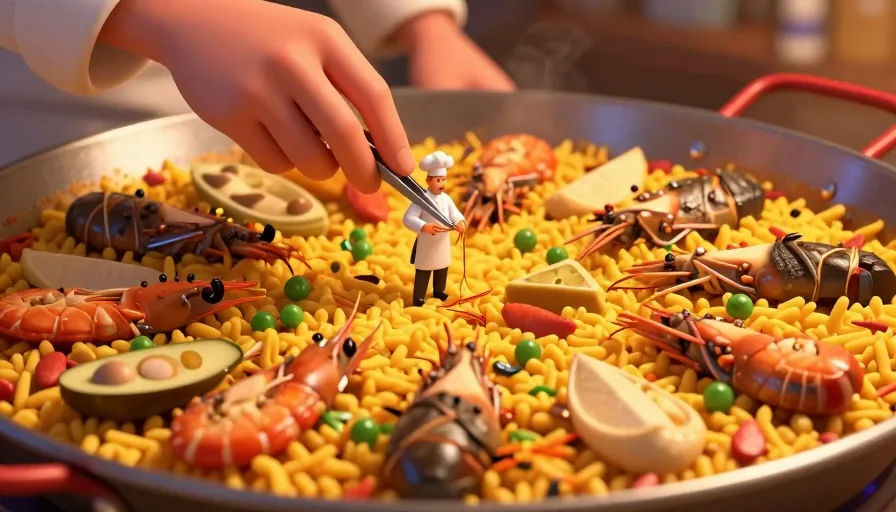
Mastering the name of food in Spanish is essential for anyone traveling to Spanish-speaking countries or looking to expand their culinary vocabulary. This comprehensive guide provides an A-Z list of food terms, practical usage examples, and tips for real-world application. Whether you're dining out, shopping for groceries, or cooking at home, this guide will help you communicate confidently in Spanish culinary situations.
Essential Spanish Food Vocabulary: A Comprehensive Guide
Learning the name of food in Spanish starts with building a strong foundation of basic vocabulary. Here’s a checklist of essential food items to get you started:
- Pan (Bread)
- Agua (Water)
- Leche (Milk)
- Café (Coffee)
- Té (Tea)
Mini Drill: Basic Food Vocabulary
Try to translate the following English words into Spanish:
- Apple
- Rice
- Chicken
- Egg
- Cheese
Answers: 1. Manzana, 2. Arroz, 3. Pollo, 4. Huevo, 5. Queso
Exploring Spanish Cuisine: Fruits, Vegetables, and More
Fruits
Fruits are a staple in Spanish cuisine. Here are some common fruits and their Spanish names:
- Manzana (Apple)
- Plátano (Banana)
- Naranja (Orange)
- Uva (Grape)
- Pera (Pear)
Vegetables
Vegetables are essential for a balanced diet and are widely used in Spanish dishes. Here are some common vegetables and their Spanish names:
- Tomate (Tomato)
- Pepino (Cucumber)
- Pimiento (Bell Pepper)
- Cebolla (Onion)
- Espinaca (Spinach)
Practical Application: Shopping for Fruits and Vegetables
When shopping for fruits and vegetables in a Spanish-speaking country, use the following phrases:
- ¿Cuánto cuesta? (How much does it cost?)
- ¿Tiene...? (Do you have...?)
- Quiero comprar... (I want to buy...)
Meat, Fish, and Dairy: Essential Vocabulary
Meat
Meat is a significant part of Spanish cuisine. Here are some common types of meat and their Spanish names:
- Pollo (Chicken)
- Pavo (Turkey)
- Cerdo (Pork)
- Res (Beef)
- Cordero (Lamb)
Fish
Fish is a staple in coastal Spanish regions. Here are some common types of fish and their Spanish names:
- Salmón (Salmon)
- Atún (Tuna)
- Bacalao (Cod)
- Merluza (Hake)
- Sardina (Sardine)
Dairy
Dairy products are widely used in Spanish cooking. Here are some common dairy items and their Spanish names:
- Leche (Milk)
- Queso (Cheese)
- Yogur (Yogurt)
- Mantequilla (Butter)
- Nata (Cream)
Practical Application: Ordering Meat and Fish
When ordering meat or fish at a restaurant, use the following phrases:
- Quisiera pedir... (I would like to order...)
- ¿Qué me recomienda? (What do you recommend?)
- ¿Está fresco? (Is it fresh?)

Learn Languages with YouTube
Watch videos in your target language, auto-capture words into flashcards, and track your progress — all in one place.
See How It Works →Drinks and Desserts: Completing Your Culinary Vocabulary
Drinks
Drinks are an essential part of any meal. Here are some common drinks and their Spanish names:
- Agua (Water)
- Vino (Wine)
- Cerveza (Beer)
- Refresco (Soda)
- Té (Tea)
Desserts
Desserts are a delightful way to end a meal. Here are some common desserts and their Spanish names:
- Tarta (Cake)
- Helado (Ice Cream)
- Churros (Churros)
- Flan (Custard)
- Turrón (Nougat)
Practical Application: Ordering Drinks and Desserts
When ordering drinks and desserts, use the following phrases:
- Para beber, quiero... (For drinking, I want...)
- De postre, quiero... (For dessert, I want...)
- ¿Tiene...? (Do you have...?)
Contextual Usage: How to Use Food Vocabulary in Sentences
Understanding how to use food vocabulary in sentences is crucial for effective communication. Here are some examples:
- Me gusta el pollo. (I like chicken.)
- Quiero comprar una manzana. (I want to buy an apple.)
- El vino es delicioso. (The wine is delicious.)
- ¿Tiene leche? (Do you have milk?)
- El postre es mi parte favorita de la comida. (Dessert is my favorite part of the meal.)
Common Mistakes to Avoid
- Confusing similar-sounding words: For example, pollo (chicken) and polo (polo shirt).
- Using incorrect gender: Remember that nouns in Spanish have gender, so el pan (the bread) and la leche (the milk) are correct.
- Overlooking regional variations: Some food names may vary by region, so be aware of local terms.
Mini Drill: Contextual Usage
Translate the following sentences into Spanish:
- I want to order a salad.
- Do you have any cheese?
- The fish is fresh.
- I like to drink coffee in the morning.
- The dessert is delicious.
Answers: 1. Quisiera pedir una ensalada, 2. ¿Tiene algún queso?, 3. El pescado está fresco, 4. Me gusta tomar café por la mañana, 5. El postre es delicioso.
Related Verbs and Phrases
Verbs
Knowing related verbs can enhance your culinary vocabulary. Here are some common verbs:
- Comer (To eat)
- Beber (To drink)
- Cocinar (To cook)
- Preparar (To prepare)
- Pedir (To order)
Phrases
Useful phrases for dining out or shopping:
- La cuenta, por favor. (The bill, please.)
- ¿Qué recomienda? (What do you recommend?)
- Sin gluten, por favor. (Without gluten, please.)
- ¿Tiene algo sin lactosa? (Do you have anything lactose-free?)
- Quiero probar algo nuevo. (I want to try something new.)
Practical Application: Using Verbs and Phrases
When dining out, use the following phrases:
- ¿Qué me recomienda? (What do you recommend?)
- Quisiera probar algo nuevo. (I would like to try something new.)
- La cuenta, por favor. (The bill, please.)
Practical Application: Reading Menus and Shopping
Reading Menus
When reading a menu, look for key words and phrases:
- Entrada (Appetizer)
- Plato principal (Main course)
- Postre (Dessert)
- Bebida (Drink)
- Sin gluten (Gluten-free)
Shopping for Groceries
When shopping for groceries, use the following phrases:
- ¿Dónde está...? (Where is...?)
- ¿Cuánto cuesta? (How much does it cost?)
- Quiero comprar... (I want to buy...)
- ¿Tiene...? (Do you have...?)
- Gracias. (Thank you.)
Checklist for Shopping and Dining
- Learn basic food vocabulary: Familiarize yourself with common food items.
- Practice using verbs and phrases: Use them in sentences to build confidence.
- Read menus carefully: Look for key words and phrases.
- Ask for recommendations: Don’t be afraid to ask for suggestions.
- Be aware of dietary restrictions: Communicate any dietary needs clearly.
Conclusion
Mastering the name of food in Spanish is a rewarding journey that enhances your travel experiences and culinary adventures. With this comprehensive guide, you’ll be well-equipped to navigate Spanish-speaking countries with confidence. Happy learning and bon appétit!
FAQ
How can I remember all these food names in Spanish?
Practice regularly by using flashcards, labeling items in your kitchen, and trying to incorporate new words into your daily conversations. Repetition and real-world application are key to memorization.
What if I encounter a food item I don’t recognize on a menu?
Ask the server for recommendations or use your phone to translate the item. You can also look for familiar ingredients or ask if the dish is similar to something you know.
Are there regional differences in food names?
Yes, some food names may vary by region. For example, **papas fritas** (French fries) might be called **patatas fritas** in some areas. Be aware of local terms and don’t hesitate to ask for clarification.
Related phrases
Start with Metheus
Watch videos in your target language, auto-capture words into flashcards, and track your progress — all in one place.
Get Started →

