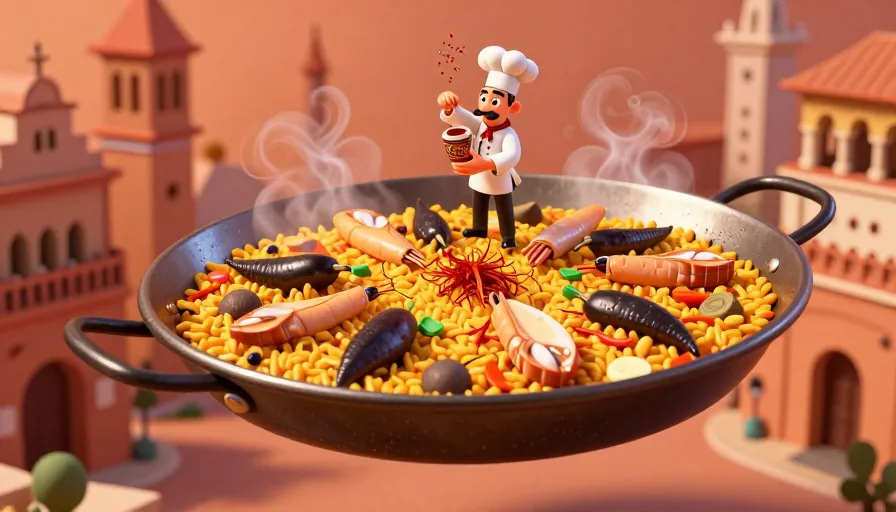
Learning words for food in Spanish is essential for anyone planning to travel to a Spanish-speaking country or simply wants to expand their culinary vocabulary. This guide provides a comprehensive A-Z list of food terms, along with practical examples and contextual usage to help you navigate menus, shopping, and dining experiences with ease.
Essential Spanish Food Vocabulary: A Comprehensive A-Z Guide
To make your learning journey more structured and effective, we've organized the vocabulary into an A-Z format. This approach ensures that you cover a wide range of food terms efficiently.
A-Z Food Vocabulary List
| Letter | Food Term in Spanish | English Translation |
|---|---|---|
| A | Aguacate | Avocado |
| B | Banana | Banana |
| C | Carne | Meat |
| D | Dátil | Date |
| E | Espinaca | Spinach |
| F | Fresa | Strawberry |
| G | Garbanzo | Chickpea |
| H | Huevo | Egg |
| I | Iceberg | Iceberg lettuce |
| J | Jamón | Ham |
| K | Kiwi | Kiwi |
| L | Leche | Milk |
| M | Mango | Mango |
| N | Naranja | Orange |
| O | Oliva | Olive |
| P | Pavo | Turkey |
| Q | Queso | Cheese |
| R | Rábano | Radish |
| S | Sandía | Watermelon |
| T | Tomate | Tomato |
| U | Uva | Grape |
| V | Vainilla | Vanilla |
| W | Waffle | Waffle |
| X | Xocolatl | Chocolate |
| Y | Yogur | Yogurt |
| Z | Zanahoria | Carrot |
Mastering Spanish Food Groups: From Fruits to Meat
Understanding the basic food groups in Spanish is crucial for effective communication. Here’s a breakdown of common food groups and their translations.
Fruits (La fruta)
- Manzana (Apple)
- Plátano (Banana)
- Naranja (Orange)
- Pera (Pear)
- Uva (Grape)
Vegetables (Las verduras)
- Tomate (Tomato)
- Pepino (Cucumber)
- Zanahoria (Carrot)
- Espinaca (Spinach)
- Pimiento (Bell pepper)
Meat (La carne)
- Pollo (Chicken)
- Pavo (Turkey)
- Cerdo (Pork)
- Res (Beef)
- Cordero (Lamb)
Dairy (Productos lácteos)
- Leche (Milk)
- Queso (Cheese)
- Yogur (Yogurt)
- Mantequilla (Butter)
- Nata (Cream)
Grains (Los cereales)
- Arroz (Rice)
- Pan (Bread)
- Pasta (Pasta)
- Avena (Oats)
- Trigo (Wheat)
Common Spanish Food & Drink Phrases for Dining Out
When dining out, knowing key phrases can enhance your experience and help you communicate effectively with servers. Here are some essential phrases:
Ordering Food
- ¿Qué me recomienda? (What do you recommend?)
- Quisiera pedir... (I would like to order...)
- ¿Cuál es el plato del día? (What is the dish of the day?)
- ¿Puedo ver el menú, por favor? (Can I see the menu, please?)
- ¿Qué incluye este plato? (What does this dish include?)
Asking for Drinks
- ¿Qué bebidas tienen? (What drinks do you have?)
- Quisiera una bebida sin alcohol, por favor. (I would like a non-alcoholic drink, please.)
- ¿Tienen vino tinto? (Do you have red wine?)
- ¿Puedo ver la carta de vinos? (Can I see the wine list?)
- ¿Qué tipo de café tienen? (What type of coffee do you have?)
Paying the Bill
- ¿Cuánto es la cuenta, por favor? (How much is the bill, please?)
- ¿Aceptan tarjetas de crédito? (Do you accept credit cards?)
- ¿Puedo pagar en efectivo? (Can I pay in cash?)
- ¿Dónde está el baño? (Where is the bathroom?)
- ¿Puedo tener la cuenta, por favor? (Can I have the bill, please?)

Learn Languages with YouTube
Watch videos in your target language, auto-capture words into flashcards, and track your progress — all in one place.
See How It Works →Essential Related Vocabulary: Drinks and Preparation Terms
Expanding your vocabulary to include drinks and preparation terms will make your culinary adventures in Spanish even more enjoyable.
Drinks (Las bebidas)
- Agua (Water)
- Café (Coffee)
- Té (Tea)
- Vino (Wine)
- Cerveza (Beer)
Preparation Terms (Términos de preparación)
- Asado (Roasted)
- Frito (Fried)
- Cocido (Boiled)
- Grilado (Grilled)
- Al horno (Baked)
Practical Examples and Checklists for Effective Learning
To reinforce your learning, here are some practical examples and checklists to help you apply what you’ve learned.
Example Conversations
At a Restaurant
Server: ¿Qué le gustaría pedir? You: Quisiera pedir el pollo asado, por favor. Server: ¿Y de beber? You: Una botella de agua, por favor.
At the Market
Vendor: ¿En qué puedo ayudarle? You: Busco manzanas y naranjas, por favor. Vendor: Aquí tiene. ¿Algo más? You: No, gracias. ¿Cuánto es?
Checklist for Dining Out
- Learn key phrases for ordering food and drinks.
- Practice asking for recommendations and the dish of the day.
- Familiarize yourself with common food allergies and dietary restrictions in Spanish.
- Learn how to ask for the bill and pay.
- Practice asking for directions to the bathroom.
Mini Drills
-
Translate the following into Spanish:
- I would like to order the fish.
- Do you have any vegetarian options?
- Can I see the wine list?
- What does this dish include?
- I would like a non-alcoholic drink, please.
-
Fill in the blanks with the correct food terms:
- Quisiera pedir el _______ asado, por favor.
- ¿Tienen _______?
- ¿Puedo ver la carta de _______?
- ¿Qué incluye este _______?
- Quisiera una _______ sin alcohol, por favor.
-
Practice asking for directions to the bathroom in Spanish:
- ¿Dónde está el _______?
Common Mistakes to Avoid
- Confusing similar-sounding words: For example, pollo (chicken) and polo (polo shirt).
- Using incorrect gender: Remember that nouns in Spanish have gender, so el pan (bread) is masculine, while la leche (milk) is feminine.
- Overlooking regional differences: Some food terms may vary by region, so be aware of local dialects.
- Not practicing pronunciation: Proper pronunciation is key to being understood, so practice speaking aloud.
- Ignoring context: Understanding the context in which words are used is crucial for effective communication.
By following this comprehensive guide, you’ll be well-equipped to navigate the culinary landscape of Spanish-speaking countries with confidence. ¡Buen provecho!
FAQ
How can I remember all these Spanish food terms?
Practice regularly and use flashcards or apps designed for language learning. Incorporate the vocabulary into your daily conversations and try to use the terms in real-life scenarios, such as ordering food at a restaurant or shopping for groceries.
What if I encounter a food term I don’t recognize?
Don’t hesitate to ask for clarification. You can say, '¿Qué es esto?' (What is this?) or '¿Puedes explicarme este plato?' (Can you explain this dish to me?). Most people are happy to help, especially if you show genuine interest.
How do I handle food allergies or dietary restrictions in Spanish?
Learn key phrases like 'Soy alérgico/a a...' (I am allergic to...) or 'Soy vegetariano/a' (I am vegetarian). You can also carry a card with your dietary restrictions written in Spanish to show to servers or vendors.
Related phrases
Start with Metheus
Watch videos in your target language, auto-capture words into flashcards, and track your progress — all in one place.
Get Started →

