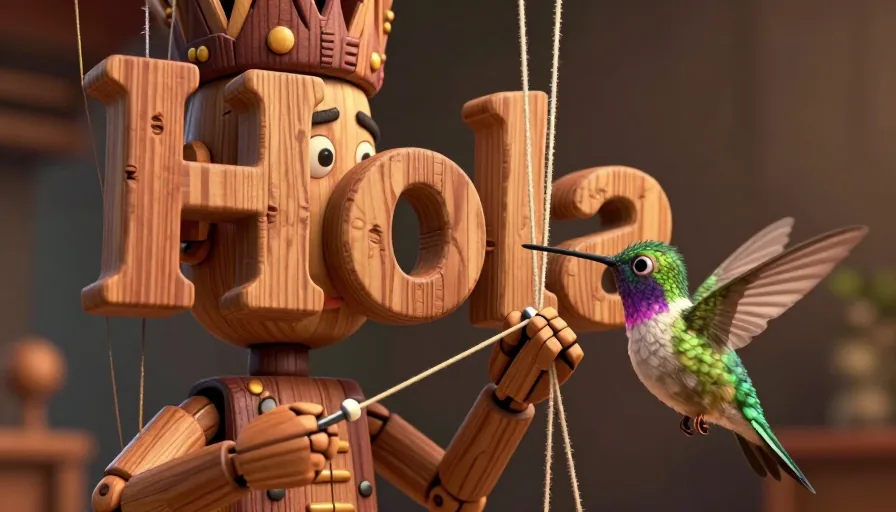
Mastering Spanish greetings is your first step towards fluency in the language. Greetings set the tone for any conversation, and understanding the nuances can help you connect more deeply with Spanish speakers. This guide will equip you with the knowledge to greet appropriately in various contexts, from casual encounters to formal settings.
The Essential Spanish Greetings: A Quick Reference
Here’s a quick reference chart for the most common Spanish greetings based on the time of day and social context:
| Time of Day | Greeting | Formal/Informal | Meaning |
|---|---|---|---|
| Any time | Hola | Informal | Hello |
| Morning | Buenos días | Formal/Informal | Good morning |
| Afternoon | Buenas tardes | Formal/Informal | Good afternoon |
| Evening/Night | Buenas noches | Formal/Informal | Good evening/Good night |
| Any time | ¿Qué tal? | Informal | How are you? |
| Any time | ¿Cómo estás? | Informal | How are you? |
| Any time | ¿Cómo está? | Formal | How are you? |
Mini Drill: Practice Your Greetings
Try greeting a friend or family member in Spanish using the greetings above. Pay attention to the tone and context to ensure you’re using the correct formality.
Navigating Formality: When to Use 'Tú' vs. 'Usted'
Understanding when to use 'tú' (informal) vs. 'usted' (formal) is crucial in Spanish greetings. Here’s a breakdown:
- Tú: Use with friends, family, children, and people your age or younger.
- Usted: Use with elders, authority figures, and people you’ve just met or don’t know well.
Interactive Example
Imagine you’re in a Spanish-speaking country and you meet someone new. You would say:
- Informal (Tú): Hola, ¿cómo estás? (Hello, how are you?)
- Formal (Usted): Hola, ¿cómo está? (Hello, how are you?)
Checklist: Choosing the Right Formality
- Identify the relationship (friend, stranger, elder, etc.)
- Consider the context (casual, formal, professional)
- Choose 'tú' for informal settings and 'usted' for formal settings
Greetings Beyond the Basics: Contextual Communication
Spanish greetings go beyond just saying 'hola.' Here are some contextual greetings:
Answering the Phone
- Informal: ¿Aló? ¿Quién habla? (Hello? Who is speaking?)
- Formal: ¿Diga? ¿Con quién hablo? (Hello? Who am I speaking with?)
Written Communication
- Informal: Hola [Name], ¿cómo estás? (Hello [Name], how are you?)
- Formal: Estimado/a [Name], ¿cómo está? (Dear [Name], how are you?)
Appropriate Responses to Greetings
Knowing how to respond to greetings is just as important. Here are some common responses:
- To Hola: Hola (Hello)
- To ¿Qué tal?: Bien, ¿y tú? (Good, and you?)
- To ¿Cómo estás?: Bien, gracias. ¿Y tú? (Good, thank you. And you?)
- To ¿Cómo está?: Bien, gracias. ¿Y usted? (Good, thank you. And you?)
Mini Drill: Responding to Greetings
Practice responding to the greetings above with a friend or family member. Focus on using the correct formality and tone.

Learn Languages with YouTube
Watch videos in your target language, auto-capture words into flashcards, and track your progress — all in one place.
See How It Works →Cultural Nuances of Spanish Greetings in Different Regions
Spanish-speaking regions have unique cultural nuances when it comes to greetings. Here are a few examples:
Spain
- Greetings are often more formal, especially in professional settings.
- Use 'usted' more frequently, even with people you’ve just met.
Latin America
- Greetings are generally more informal and friendly.
- Use 'tú' more frequently, even with people you’ve just met.
Checklist: Regional Greeting Nuances
- Research the cultural norms of the specific region you’re visiting or communicating with.
- Adapt your greetings to match the local customs and expectations.
- Be open to learning and adjusting your greetings based on feedback from locals.
Why Understanding the 'Why' Behind Greetings Matters
Understanding the cultural and social context behind Spanish greetings can enhance your communication skills and help you connect more deeply with Spanish speakers. By knowing the 'why' behind the greeting, you can avoid common mistakes and build stronger relationships.
Common Mistakes to Avoid
- Overusing 'Hola': While 'hola' is versatile, it’s not always the best choice. Use it sparingly and opt for more specific greetings based on the time of day and context.
- Ignoring Formality: Always consider the relationship and context when choosing between 'tú' and 'usted.'
- Not Adapting to Regional Nuances: Be aware of regional differences and adapt your greetings accordingly.
Mini Drill: Avoiding Common Mistakes
Reflect on your past interactions and identify any mistakes you’ve made. Make a plan to correct them in future conversations.
Conclusion
Mastering Spanish greetings is more than just learning a few phrases. It’s about understanding the cultural and social context behind each greeting. By following this guide, you’ll be well on your way to conversational fluency and deeper connections with Spanish speakers.
Quick Reference Chart Recap
| Time of Day | Greeting | Formal/Informal | Meaning |
|---|---|---|---|
| Any time | Hola | Informal | Hello |
| Morning | Buenos días | Formal/Informal | Good morning |
| Afternoon | Buenas tardes | Formal/Informal | Good afternoon |
| Evening/Night | Buenas noches | Formal/Informal | Good evening/Good night |
| Any time | ¿Qué tal? | Informal | How are you? |
| Any time | ¿Cómo estás? | Informal | How are you? |
| Any time | ¿Cómo está? | Formal | How are you? |
By mastering these greetings and understanding their nuances, you’ll be well-equipped to navigate any Spanish-speaking environment with confidence and cultural sensitivity.
FAQ
What if I'm unsure about the formality of a situation?
If you're unsure, it's generally safer to start with 'usted' and switch to 'tú' if the other person indicates it's appropriate. Pay attention to their responses and adjust accordingly.
How do I greet someone I've just met in a professional setting?
In a professional setting, always use 'usted' and a formal greeting like 'Buenos días' or 'Buenas tardes.' This shows respect and professionalism.
What if I make a mistake with a greeting?
If you make a mistake, apologize briefly and correct yourself. For example, 'Perdón, ¿cómo está?' (Sorry, how are you?). Most people will appreciate your effort to communicate correctly.
Related phrases
Start with Metheus
Watch videos in your target language, auto-capture words into flashcards, and track your progress — all in one place.
Get Started →

