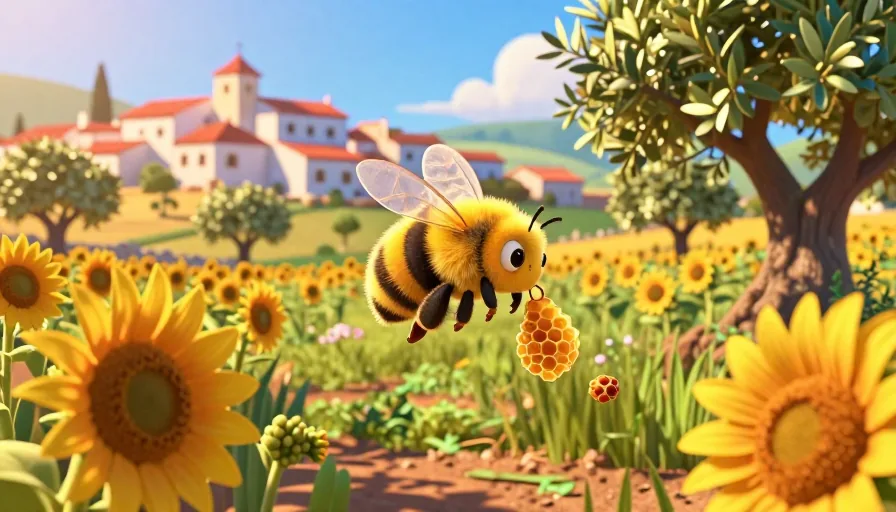
When learning Spanish, one of the first words you might encounter is 'abeja,' which translates to 'bee' in English. Understanding how to use 'abeja en ingles' correctly involves more than just knowing the direct translation. It requires grasping the nuances of context, grammatical structure, and common usage. This guide will walk you through everything you need to know about translating 'abeja' into English, from basic translations to advanced contextual usage.
The Core Translations: Abeja in English
The most straightforward translation of 'abeja' is 'bee.' However, the context in which 'abeja' is used can significantly alter its translation. For example, 'abeja' can refer to a general bee, a honeybee, or even a specific type of bee like a worker bee or queen bee. Understanding these distinctions is crucial for accurate translation.
Direct Translations
- Abeja = Bee
- Abeja de miel = Honeybee
- Abeja obrera = Worker bee
- Abeja reina = Queen bee
Side-by-Side Comparison
| Spanish (Abeja) | English (Bee) |
|---|---|
| La abeja produce miel. | The bee produces honey. |
| La abeja reina dirige el enjambre. | The queen bee leads the swarm. |
| Las abejas obreras recolectan néctar. | The worker bees collect nectar. |
Understanding Bee Types: Worker, Queen, and Honeybee
In Spanish, 'abeja' can refer to different types of bees, each with its specific role in the hive. Understanding these types is essential for accurate translation.
Worker Bee (Abeja Obrera)
Worker bees are female bees that perform various tasks within the hive, such as collecting nectar, producing honey, and caring for the young. In English, 'abeja obrera' translates to 'worker bee.'
Example Sentence:
- Spanish: Las abejas obreras recolectan néctar para producir miel.
- English: The worker bees collect nectar to produce honey.
Queen Bee (Abeja Reina)
The queen bee is the reproductive female in the hive. Her primary role is to lay eggs. In English, 'abeja reina' translates to 'queen bee.'
Example Sentence:
- Spanish: La abeja reina pone miles de huevos cada día.
- English: The queen bee lays thousands of eggs each day.
Honeybee (Abeja de Miel)
Honeybees are a specific type of bee known for producing honey. In English, 'abeja de miel' translates to 'honeybee.'
Example Sentence:
- Spanish: Las abejas de miel son conocidas por su producción de miel.
- English: Honeybees are known for their honey production.

Aprendé Idiomas con YouTube
Mirá videos en tu idioma objetivo, capturá palabras nuevas como flashcards automáticamente, y seguí tu progreso — todo en un solo lugar.
Ver Cómo Funciona →Contextual Usage: Using 'Bee' in English Sentences
Understanding how to use 'bee' in English sentences requires more than just knowing the translation. It involves grasping the grammatical context and common usage patterns.
Grammatical Context
In Spanish, 'abeja' is a feminine noun and is often used with feminine articles and adjectives. In English, 'bee' is a neutral noun and does not change based on gender.
Example Sentences:
-
Spanish: La abeja es un insecto importante para la polinización.
-
English: The bee is an important insect for pollination.
-
Spanish: Las abejas son esenciales para la producción de miel.
-
English: Bees are essential for honey production.
Common Learner Errors
One common mistake learners make is assuming that 'abeja' always translates to 'bee' without considering the context. For example, 'abeja reina' should not be translated as 'queen bee' in a sentence about a human leader.
Incorrect Translation:
- Spanish: La abeja reina de la empresa.
- Incorrect English: The queen bee of the company.
Correct Translation:
- Spanish: La abeja reina de la empresa.
- Correct English: The CEO of the company.
Common English Usage and Idiomatic Expressions Involving 'Bee'
English has several idiomatic expressions involving 'bee' that can be confusing for learners. Understanding these expressions can help you use 'bee' more naturally in English.
Idiomatic Expressions
- To have a bee in your bonnet: To be obsessed with an idea or topic.
- Busy as a bee: Very busy.
- Make a bee line: To go directly to a place.
Example Sentences:
- English: She has a bee in her bonnet about climate change.
- English: He was busy as a bee all day.
- English: They made a bee line for the exit.
Pronunciation Guidance
Pronunciation is an essential aspect of language learning. Here are some tips for pronouncing 'bee' correctly in English:
- Bee: /bi/
Practice saying the word aloud and listen to native speakers to improve your pronunciation.
Mini Drill: Pronunciation Practice
- Listen to a native speaker pronounce 'bee.'
- Repeat the word aloud, focusing on the correct pronunciation.
- Record yourself and compare it to the native speaker's pronunciation.
- Practice with different sentences to improve your fluency.
Checklist for Mastering 'Abeja en Ingles'
- Understand the Core Translations: Know the basic translations of 'abeja' and its specific types.
- Learn Contextual Usage: Practice using 'bee' in different contexts and grammatical structures.
- Avoid Common Mistakes: Be aware of common learner errors and how to avoid them.
- Master Idiomatic Expressions: Learn and practice common idiomatic expressions involving 'bee.'
- Improve Pronunciation: Practice pronouncing 'bee' correctly and fluently.
By following this checklist, you can master the translation and usage of 'abeja en ingles' and improve your overall language skills.
Conclusion
Translating 'abeja' into English involves more than just knowing the direct translation. It requires understanding the context, grammatical structure, and common usage patterns. By following this comprehensive guide, you can improve your translation skills and communicate more effectively in English.
Preguntas frecuentes
What is the difference between 'abeja' and 'abeja de miel'?
'Abeja' is a general term for any bee, while 'abeja de miel' specifically refers to honeybees, which are known for producing honey.
How do I know when to use 'bee' or 'honeybee' in English?
Use 'bee' for general references to any type of bee. Use 'honeybee' when referring specifically to bees that produce honey.
What are some common mistakes learners make when translating 'abeja'?
Common mistakes include assuming 'abeja' always translates to 'bee' without considering the context, such as using 'queen bee' for a human leader.
How can I improve my pronunciation of 'bee' in English?
Practice listening to native speakers and repeating the word aloud. Record yourself and compare it to native speakers' pronunciation to improve.
Frases relacionadas
Empezá con Metheus
Mirá videos en tu idioma objetivo, capturá palabras nuevas como flashcards automáticamente, y seguí tu progreso — todo en un solo lugar.
Comenzar →

