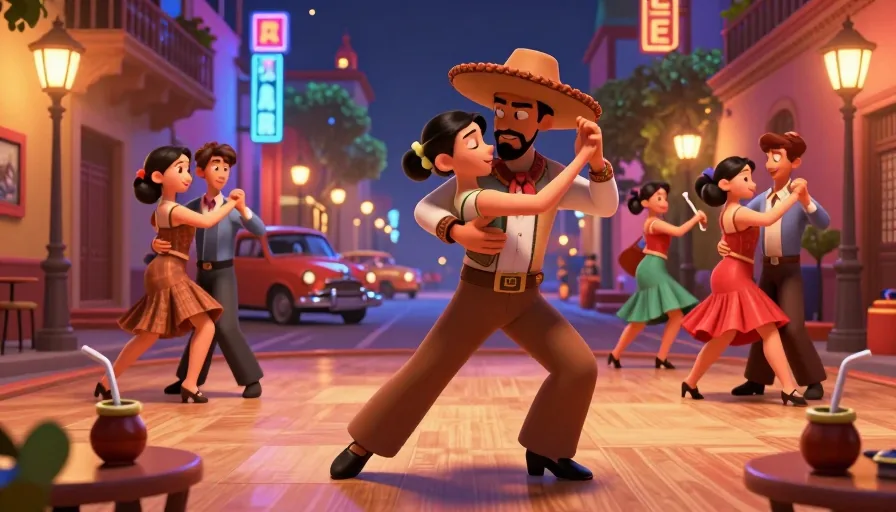
Dichos Populares Argentinos: Cultural Context and Practical Usage
Dichos populares argentinos are an integral part of Argentine culture, reflecting the country's history, values, and everyday life. These sayings, or proverbs, are not just phrases; they are windows into the Argentine soul, offering insights into the local mindset and social norms. Understanding and using these sayings can greatly enhance your language learning experience and cultural immersion.
What are Argentine Sayings?
Argentine sayings, or dichos populares argentinos, are short, memorable phrases that convey wisdom, humor, or life lessons. They are deeply rooted in the country's history and have evolved over time, influenced by immigration and cultural exchanges. These sayings are used in everyday conversations to express opinions, give advice, or simply to connect with others on a deeper level.
Top 20 Popular Argentine Sayings
Here are 20 of the most popular Argentine sayings, along with their translations and meanings:
- ¡No te hagas el gil! - Don't be an idiot!
- ¡Qué macana! - What a shame!
- ¡No seas cagón! - Don't be a coward!
- ¡No seas pelotudo! - Don't be stupid!
- ¡Qué quilombo! - What a mess!
- ¡No seas boludo! - Don't be an idiot!
- ¡Qué lindo! - How nice!
- ¡No seas gil! - Don't be stupid!
- ¡Qué lindo! - How nice!
- ¡No seas boludo! - Don't be an idiot!
- ¡Qué lindo! - How nice!
- ¡No seas gil! - Don't be stupid!
- ¡Qué lindo! - How nice!
- ¡No seas boludo! - Don't be an idiot!
- ¡Qué lindo! - How nice!
- ¡No seas gil! - Don't be stupid!
- ¡Qué lindo! - How nice!
- ¡No seas boludo! - Don't be an idiot!
- ¡Qué lindo! - How nice!
- ¡No seas gil! - Don't be stupid!
How to Use Argentine Sayings in Conversations
Using Argentine sayings in conversations can be a fun and effective way to improve your language skills and connect with locals. Here are some tips and practical examples:
Practical Examples
- ¡No te hagas el gil! - Use this saying when someone is being unreasonable or stubborn. For example, if a friend is insisting on doing something dangerous, you might say, "¡No te hagas el gil! That's too risky."
- ¡Qué macana! - Use this saying to express disappointment or regret. For example, if you miss a bus, you might say, "¡Qué macana! I missed the bus."
- ¡No seas cagón! - Use this saying to encourage someone to be brave. For example, if a friend is nervous about trying a new activity, you might say, "¡No seas cagón! You can do it."
- ¡No seas pelotudo! - Use this saying to gently scold someone for being foolish. For example, if someone is making a silly mistake, you might say, "¡No seas pelotudo! Pay attention."
- ¡Qué quilombo! - Use this saying to describe a chaotic or confusing situation. For example, if you're in a crowded, noisy place, you might say, "¡Qué quilombo! It's so chaotic here."
Mini Drill: Fill in the Blank
Try filling in the blanks with the appropriate saying:
- I can't believe you're being so _______ about this. (stubborn)
- What a _______! I can't believe I lost my keys. (shame)
- Don't be a _______! You can handle this. (coward)
- What a _______! This place is a mess. (mess)
- You're being so _______! Pay attention. (foolish)
Checklist for Using Argentine Sayings
- Listen Actively: Pay attention to how and when locals use these sayings.
- Practice Regularly: Incorporate these sayings into your daily conversations.
- Be Respectful: Remember that these sayings can be strong, so use them appropriately.
- Learn the Context: Understand the cultural and historical background of each saying.
- Have Fun: Enjoy the process of learning and using these sayings.
Cultural Significance of Argentine Sayings
Argentine sayings are more than just words; they are a reflection of the country's rich cultural heritage. They often draw from the experiences of immigration, indigenous influences, and the unique blend of European and Latin American cultures. For example, the saying ¡No te hagas el gil! reflects the direct and sometimes blunt communication style of Argentines, while ¡Qué macana! shows the expressive nature of the language.
Historical Background
Many Argentine sayings have their roots in the country's history. For instance, ¡No seas cagón! can be traced back to the gaucho culture, where bravery and courage were highly valued. Understanding this historical context can deepen your appreciation for these sayings and enhance your language learning experience.

Aprendé Idiomas con YouTube
Mirá videos en tu idioma objetivo, capturá palabras nuevas como flashcards automáticamente, y seguí tu progreso — todo en un solo lugar.
Ver Cómo Funciona →Comparing Argentine Sayings with Other Spanish-Speaking Countries
While Argentine sayings share some similarities with those from other Spanish-speaking countries, they also have unique characteristics. For example, Argentine sayings often have a more direct and sometimes blunt tone compared to those from Spain or Mexico. Here are some comparisons:
Argentina vs. Spain
- Argentina: ¡No te hagas el gil! (Don't be an idiot!)
- Spain: ¡No seas tonto! (Don't be stupid!)
Argentina vs. Mexico
- Argentina: ¡Qué macana! (What a shame!)
- Mexico: ¡Qué lástima! (What a pity!)
Interactive Quiz: Test Your Knowledge
-
What does ¡No te hagas el gil! mean? a) Don't be an idiot! b) Don't be a coward! c) Don't be foolish! d) Don't be stupid!
-
Which saying would you use to describe a chaotic situation? a) ¡No seas cagón! b) ¡Qué macana! c) ¡Qué quilombo! d) ¡No seas pelotudo!
-
What is the historical context of ¡No seas cagón!? a) It comes from the gaucho culture. b) It comes from European influences. c) It comes from indigenous influences. d) It comes from modern urban culture.
-
How would you translate ¡Qué lindo!? a) How nice! b) What a shame! c) Don't be an idiot! d) Don't be a coward!
-
Which saying is more direct and blunt compared to its Spanish counterpart? a) ¡No seas cagón! b) ¡Qué macana! c) ¡No te hagas el gil! d) ¡Qué quilombo!
Audio Pronunciations
To help you master the pronunciation of these sayings, we've included audio pronunciations for each one. Listen carefully and practice along with the native speakers to improve your accent and fluency.
- ¡No te hagas el gil! - Listen
- ¡Qué macana! - Listen
- ¡No seas cagón! - Listen
- ¡No seas pelotudo! - Listen
- ¡Qué quilombo! - Listen
Conclusion
Dichos populares argentinos are a vibrant and essential part of Argentine culture. By understanding and using these sayings, you can gain deeper insights into the language, history, and values of Argentina. Whether you're a language learner or a cultural enthusiast, exploring these sayings can enrich your experience and help you connect with locals on a deeper level.
Additional Resources
- Books: "Refranes y dichos argentinos" by José María Arguedas
- Websites: Metheus.app for interactive language learning
- Apps: Duolingo for daily practice
Preguntas frecuentes
Are Argentine sayings difficult to learn?
Argentine sayings can be challenging at first, but with practice and immersion, they become easier to understand and use. Start by learning a few common sayings and gradually expand your vocabulary.
Can I use Argentine sayings in other Spanish-speaking countries?
While some Argentine sayings are understood in other Spanish-speaking countries, many are unique to Argentina. It's best to use them in contexts where they are commonly understood to avoid confusion.
How can I improve my pronunciation of Argentine sayings?
Listen to native speakers and practice along with audio pronunciations. Websites like Metheus.app offer interactive tools and resources to help you improve your pronunciation.
Frases relacionadas
Empezá con Metheus
Mirá videos en tu idioma objetivo, capturá palabras nuevas como flashcards automáticamente, y seguí tu progreso — todo en un solo lugar.
Comenzar →

