The term borrador en inglés refers to the English translation and usage of the Spanish word 'borrador.' This guide will help you understand what a 'borrador' is in English, provide common phrases and examples, offer a pronunciation guide, and include practical exercises to enhance your language learning experience.
What is a 'Borrador' in English?
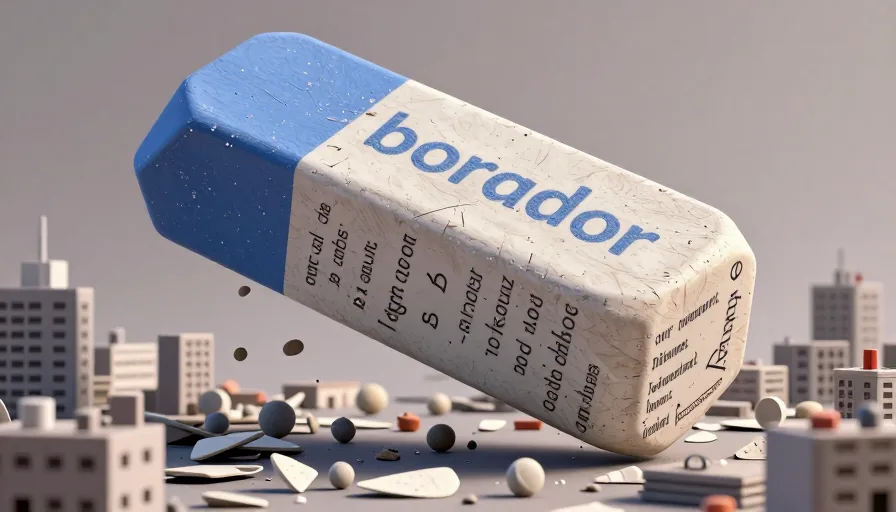
In Spanish, 'borrador' can refer to several things, but the most common translations in English are 'draft' or 'eraser.' The context in which the word is used determines its specific meaning. For example, in a writing context, 'borrador' translates to 'draft,' as in a preliminary version of a document. In a school supply context, 'borrador' translates to 'eraser,' the tool used to remove pencil markings.
Common Contexts and Translations
-
Writing Context: 'Borrador' as 'draft'
- Spanish: Este es el primer borrador de mi proyecto.
- English: This is the first draft of my project.
-
School Supply Context: 'Borrador' as 'eraser'
- Spanish: Necesito un borrador para corregir mis errores.
- English: I need an eraser to correct my mistakes.
Common Phrases and Examples
Understanding common phrases and examples can help you use 'borrador' more effectively in English. Here are some practical examples:
-
Draft:
- Spanish: Hice varios borradores antes de decidirme por un diseño.
- English: I made several drafts before deciding on a design.
-
Eraser:
- Spanish: ¿Dónde está el borrador? Necesito borrar este error.
- English: Where is the eraser? I need to erase this mistake.
Interactive Examples with Audio Pronunciations
To enhance your learning experience, listen to the audio pronunciations of these phrases:
-
Draft: [Audio Link]
- Pronunciation: /dræft/
-
Eraser: [Audio Link]
- Pronunciation: /ˈɪrɛzər/
Pronunciation Guide
Proper pronunciation is crucial for effective communication. Here’s a guide to pronouncing 'borrador' in both Spanish and English contexts:
-
Spanish: 'Borrador'
- Pronunciation: /boˈraðor/
- Syllable Breakdown: bo-rra-dor
-
English (Draft):
- Pronunciation: /dræft/
- Syllable Breakdown: draft
-
English (Eraser):
- Pronunciation: /ˈɪrɛzər/
- Syllable Breakdown: e-ras-er
Cultural Context and Usage
In English-speaking countries, the term 'draft' is commonly used in professional and academic settings to refer to preliminary versions of documents. For example, writers and editors often discuss 'drafts' of articles, reports, and books. In contrast, 'eraser' is a common term in educational settings, where students use erasers to correct mistakes in their notebooks and assignments.

Aprendé Idiomas con YouTube
Mirá videos en tu idioma objetivo, capturá palabras nuevas como flashcards automáticamente, y seguí tu progreso — todo en un solo lugar.
Ver Cómo Funciona →Comparison with Similar Terms
It's essential to understand the differences between 'borrador' and similar terms to avoid confusion. Here are some comparisons:
-
Borrador vs. Esbozo:
- 'Borrador' refers to a preliminary version of a document, while 'esbozo' translates to 'sketch' or 'outline,' which is a rough plan or structure.
-
Borrador vs. Borrador de Tinta:
- 'Borrador' can also refer to a 'blotting paper' or 'inkblotter,' which is used to absorb excess ink from a pen.
Practical Exercises for Learners
To reinforce your understanding, try these practical exercises:
Mini Drill 1: Translation Practice
Translate the following Spanish sentences into English:
- Este es el primer borrador de mi ensayo.
- Necesito un borrador para corregir mis errores en el examen.
- Hice varios borradores antes de enviar el informe final.
Mini Drill 2: Fill in the Blanks
Fill in the blanks with the correct English word:
- I need a to correct my mistakes.
- This is the first of my report.
- She made several before finalizing the design.
Mini Drill 3: Pronunciation Practice
Practice pronouncing the following words and phrases:
- Draft
- Eraser
- This is the first draft of my project.
- Where is the eraser? I need to erase this mistake.
Checklist for Mastery
- Understand the different meanings of 'borrador' in English.
- Learn common phrases and examples.
- Practice pronunciation with audio guides.
- Complete translation and fill-in-the-blank exercises.
- Use 'borrador' in context to reinforce learning.
By following this guide and practicing regularly, you'll be able to use 'borrador' in English with confidence and accuracy.
Preguntas frecuentes
What is the difference between 'borrador' and 'esbozo'?
'Borrador' refers to a preliminary version of a document, while 'esbozo' translates to 'sketch' or 'outline,' which is a rough plan or structure.
How do I pronounce 'borrador' in English?
The pronunciation of 'borrador' in English depends on the context. For 'draft,' it is pronounced as /dræft/, and for 'eraser,' it is pronounced as /ˈɪrɛzər/.
Can 'borrador' refer to something other than a draft or eraser?
Yes, 'borrador' can also refer to a 'blotting paper' or 'inkblotter,' which is used to absorb excess ink from a pen.
Frases relacionadas
Empezá con Metheus
Mirá videos en tu idioma objetivo, capturá palabras nuevas como flashcards automáticamente, y seguí tu progreso — todo en un solo lugar.
Comenzar →

