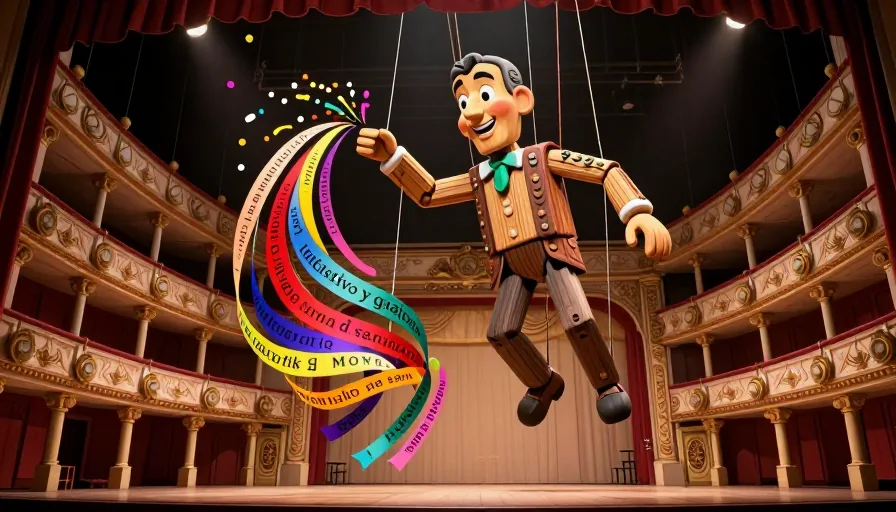
Dicho festivo y gracioso are an essential part of Spanish culture, adding color and humor to everyday conversations. These festive and humorous sayings not only entertain but also provide insights into the cultural nuances of Spanish-speaking communities. Whether you're a beginner or an advanced learner, understanding and using dicho festivo y gracioso can significantly enhance your language skills and cultural awareness.
What is a Festive and Humorous Saying in Spanish?
A dicho festivo y gracioso is a playful and witty expression used to convey humor or light-heartedness during festive occasions. These sayings are often used to create a joyful atmosphere and can be found in various contexts, from family gatherings to public celebrations. They are an integral part of the Spanish language and culture, reflecting the vibrant and lively spirit of the people.
Examples of Festive and Humorous Sayings
Here are some examples of dicho festivo y gracioso to give you a taste of their playful nature:
- ¡Viva la fiesta! - Long live the party!
- ¡A comer y a beber! - To eat and drink!
- ¡Que la fiesta no pare! - Let the party never stop!
- ¡A disfrutar! - To enjoy!
- ¡A pasarla bien! - To have a good time!
These sayings are often used interchangeably and can be adapted to various situations. For example, during a birthday celebration, you might hear ¡Viva el cumpleañero! (Long live the birthday person!) or ¡A celebrar! (To celebrate!).
Cultural Context and Usage
Dicho festivo y gracioso are deeply rooted in Spanish culture and are used in a variety of settings. Understanding their cultural context can help you use them appropriately. Here are some key points to consider:
- Family Gatherings: These sayings are commonly used during family reunions, birthdays, and holidays. They create a warm and welcoming atmosphere, making everyone feel included and happy.
- Public Celebrations: During festivals and public events, dicho festivo y gracioso are used to enhance the festive mood. They are often shouted or chanted to encourage participation and joy.
- Everyday Conversations: While less common, these sayings can also be used in everyday conversations to lighten the mood or express excitement about an upcoming event.
Checklist for Using Dicho Festivo y Gracioso
- Understand the Context: Make sure you understand the cultural and social context in which the saying is used.
- Practice Pronunciation: Pay attention to the pronunciation and intonation to convey the right tone.
- Observe Native Speakers: Listen to how native speakers use these sayings and try to mimic their style.
- Use Appropriately: Avoid using these sayings in formal or serious settings where they might be inappropriate.
Language Learning Tips and Exercises
Learning dicho festivo y gracioso can be a fun and engaging way to improve your Spanish skills. Here are some tips and exercises to help you get started:
Mini Drill: Fill in the Blanks
Complete the following sentences with the appropriate dicho festivo y gracioso:
- ¡Viva la ______! (party)
- ¡A ______ y a beber! (eat)
- ¡Que la fiesta no ______! (stop)
- ¡A ______! (enjoy)
- ¡A ______ bien! (have a good time)
Mini Drill: Match the Saying
Match the dicho festivo y gracioso with the appropriate context:
- ¡Viva el cumpleañero! - A. During a family reunion
- ¡A celebrar! - B. During a birthday celebration
- ¡A disfrutar! - C. During a public festival
- ¡A comer y a beber! - D. During a wedding
- ¡Que la fiesta no pare! - E. During a New Year's Eve party
Mini Drill: Create Your Own Saying
Try creating your own dicho festivo y gracioso. Think about a festive occasion and come up with a playful and witty saying that captures the spirit of the event.

Aprendé Idiomas con YouTube
Mirá videos en tu idioma objetivo, capturá palabras nuevas como flashcards automáticamente, y seguí tu progreso — todo en un solo lugar.
Ver Cómo Funciona →Common Phrases and Idioms
In addition to dicho festivo y gracioso, there are many common phrases and idioms in Spanish that convey a similar sense of humor and festivity. Here are a few examples:
- ¡A por todas! - Go for it!
- ¡A divertirse! - To have fun!
- ¡A disfrutar de la vida! - To enjoy life!
- ¡A vivir la fiesta! - To live the party!
- ¡A pasarla en grande! - To have a great time!
These phrases can be used in various contexts and are great for adding a touch of humor and excitement to your conversations.
Interactive Quizzes and Exercises
To reinforce your learning, try these interactive quizzes and exercises:
Quiz: Identify the Saying
Read the following scenarios and identify the appropriate dicho festivo y gracioso:
- You are at a friend's birthday party. What would you say?
- A. ¡Viva la fiesta!
- B. ¡A comer y a beber!
- C. ¡Viva el cumpleañero!
- You are at a family reunion. What would you say?
- A. ¡A disfrutar!
- B. ¡A celebrar!
- C. ¡A pasarla bien!
- You are at a public festival. What would you say?
- A. ¡Que la fiesta no pare!
- B. ¡A comer y a beber!
- C. ¡A disfrutar!
Exercise: Role-Play
Practice using dicho festivo y gracioso in a role-play scenario. Imagine you are at a festive event and use the sayings to interact with others. This will help you get comfortable with the language and improve your pronunciation.
Exercise: Write a Short Story
Write a short story incorporating dicho festivo y gracioso. Think about a festive occasion and describe the scene using these sayings to create a lively and engaging narrative.
Conclusion
Dicho festivo y gracioso are a vibrant and essential part of Spanish culture. By understanding and using these festive and humorous sayings, you can enhance your language skills and cultural awareness. Practice regularly, observe native speakers, and use these sayings in appropriate contexts to become more fluent and confident in Spanish.
Preguntas frecuentes
Are dicho festivo y gracioso only used during special occasions?
While dicho festivo y gracioso are commonly used during special occasions, they can also be used in everyday conversations to lighten the mood or express excitement about an upcoming event. However, it's important to use them appropriately and in the right context.
Can I create my own dicho festivo y gracioso?
Yes, you can create your own dicho festivo y gracioso. Think about a festive occasion and come up with a playful and witty saying that captures the spirit of the event. This can be a fun and creative way to practice your Spanish skills.
How can I practice using dicho festivo y gracioso?
You can practice using dicho festivo y gracioso through various exercises such as fill-in-the-blank drills, matching games, role-play scenarios, and writing short stories. Observing native speakers and using language learning tools can also help you improve your pronunciation and usage.
Frases relacionadas
Empezá con Metheus
Mirá videos en tu idioma objetivo, capturá palabras nuevas como flashcards automáticamente, y seguí tu progreso — todo en un solo lugar.
Comenzar →

