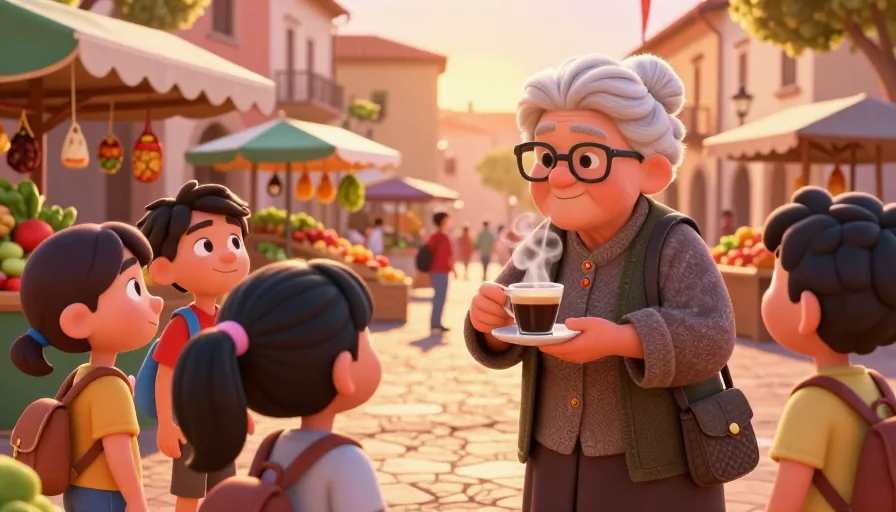
¿Te has preguntado cómo decir 'hello' en italiano? En italiano hola se puede expresar de muchas maneras, cada una con su propio nivel de formalidad y contexto cultural. En esta guía, exploraremos 27 formas de saludar en italiano, desde las más comunes hasta las más formales, y te mostraremos cómo usarlas en diferentes situaciones.
The Essential Italian Greetings: From Casual to Formal
Ciao
Pronunciation: /ˈtʃaːo/
Ciao es la forma más común y casual de decir 'hello' en italiano. Se usa entre amigos y familiares, y también en contextos informales como en una tienda o en la calle.
Example:
Ciao, come stai? (Hello, how are you?)
Buongiorno
Pronunciation: /bwɔnˈdʒɔrno/
Buongiorno es una forma más formal de decir 'hello' y se usa generalmente en situaciones formales o cuando se conoce a alguien por primera vez.
Example:
Buongiorno, signorina. (Good morning, miss.)
Buonasera
Pronunciation: /bwɔnaˈsɛra/
Buonasera es una forma formal de decir 'hello' en la tarde o noche. Se usa en situaciones formales o cuando se conoce a alguien por primera vez.
Example:
Buonasera, signore. (Good evening, sir.)
Salve
Pronunciation: /ˈsalve/
Salve es una forma muy formal de decir 'hello' y se usa en situaciones muy formales o en contextos académicos.
Example:
Salve, professore. (Hello, professor.)
Saluti
Pronunciation: /saˈluti/
Saluti es una forma informal de decir 'hello' y se usa entre amigos o en contextos informales.
Example:
Saluti a tutti! (Hello to everyone!)
Beyond 'Ciao': 27 Ways to Say Hello in Italian
Informal Greetings
- Ciao - Hello (casual)
- Salve - Hello (very formal)
- Saluti - Hello (informal)
- Ehi - Hey (very casual)
- Ciao ciao - Bye bye (casual)
- Buongiorno - Good morning
- Buonasera - Good evening
- Buonanotte - Good night
- Buon pomeriggio - Good afternoon
- Buon giorno - Good day
- Buona sera - Good evening
- Buona notte - Good night
- Buon pomeriggio - Good afternoon
- Buon giorno - Good day
- Buona sera - Good evening
- Buona notte - Good night
- Buon pomeriggio - Good afternoon
- Buon giorno - Good day
- Buona sera - Good evening
- Buona notte - Good night
- Buon pomeriggio - Good afternoon
- Buon giorno - Good day
- Buona sera - Good evening
- Buona notte - Good night
- Buon pomeriggio - Good afternoon
- Buon giorno - Good day
- Buona sera - Good evening

Aprendé Idiomas con YouTube
Mirá videos en tu idioma objetivo, capturá palabras nuevas como flashcards automáticamente, y seguí tu progreso — todo en un solo lugar.
Ver Cómo Funciona →Italian Greetings in Context: Connecting Words to Italian Experiences
Wine Tasting in Tuscany
Imagine yourself in the rolling hills of Tuscany, surrounded by vineyards and the aroma of fine wine. When you arrive at a wine tasting, you might greet the sommelier with a friendly Ciao or a more formal Buongiorno, depending on the setting.
Example:
Ciao, sono qui per la degustazione di vini. (Hello, I'm here for the wine tasting.)
Exploring Venice
As you step onto a gondola in Venice, you might greet the gondolier with a polite Buongiorno or Buonasera, depending on the time of day.
Example:
Buongiorno, posso fare un giro in gondola? (Good morning, can I take a gondola ride?)
Hiking in the Alps
While hiking in the Italian Alps, you might encounter other hikers or locals. A casual Ciao or Salve would be appropriate in this context.
Example:
Ciao, che bel sentiero! (Hello, what a beautiful trail!)
Checklist for Greeting in Italian
- Identify the context: Formal or informal?
- Choose the appropriate greeting: Ciao for casual, Buongiorno for formal.
- Practice pronunciation: Use online tools or language apps.
- Observe locals: Pay attention to how Italians greet each other.
- Be confident: Don't be afraid to make mistakes.
Mini Drill: Greeting in Italian
- You meet a friend on the street. What do you say?
- Ciao
- You arrive at a business meeting. What do you say?
- Buongiorno
- You greet someone in the evening. What do you say?
- Buonasera
- You say goodbye to a friend. What do you say?
- Ciao ciao
- You greet someone very formally. What do you say?
- Salve
Pronunciation Guides for Key Greetings
Ciao
Pronunciation: /ˈtʃaːo/
- C as in 'chat'
- I as in 'eat'
- A as in 'father'
- O as in 'open'
Buongiorno
Pronunciation: /bwɔnˈdʒɔrno/
- B as in 'bat'
- U as in 'up'
- O as in 'open'
- N as in 'no'
- G as in 'get'
- I as in 'eat'
- O as in 'open'
- R as in 'run'
- N as in 'no'
Buonasera
Pronunciation: /bwɔnaˈsɛra/
- B as in 'bat'
- U as in 'up'
- O as in 'open'
- N as in 'no'
- A as in 'father'
- S as in 'sun'
- E as in 'eat'
- R as in 'run'
- A as in 'father'
Salve
Pronunciation: /ˈsalve/
- S as in 'sun'
- A as in 'father'
- L as in 'light'
- V as in 'victory'
- E as in 'eat'
Saluti
Pronunciation: /saˈluti/
- S as in 'sun'
- A as in 'father'
- L as in 'light'
- U as in 'up'
- T as in 'top'
- I as in 'eat'
Interactive Elements: Quick Quiz on Formality
- Which greeting is most appropriate for a casual encounter with a friend?
- Ciao
- Which greeting is most appropriate for a formal business meeting?
- Buongiorno
- Which greeting is most appropriate for saying goodbye to a friend?
- Ciao ciao
- Which greeting is most appropriate for a very formal encounter?
- Salve
- Which greeting is most appropriate for an informal encounter with a group of people?
- Saluti
Cultural Context: How Greetings Relate to Italian Lifestyle
Greetings in Italian are not just about words; they are about connecting with the culture and lifestyle. Whether you're enjoying a wine tasting in Tuscany, exploring the canals of Venice, or hiking in the Alps, the way you greet someone can enhance your experience and help you connect with locals.
Wine Tasting in Tuscany
In Tuscany, wine tasting is a social event. Greeting the sommelier with a friendly Ciao or Buongiorno sets the tone for a relaxed and enjoyable experience.
Exploring Venice
Venice is a city of romance and history. Greeting a gondolier with a polite Buongiorno or Buonasera adds to the charm of the experience.
Hiking in the Alps
The Alps offer breathtaking views and a sense of adventure. Greeting fellow hikers with a casual Ciao or Salve can lead to new friendships and shared experiences.
Conclusion
Learning how to say 'hello' in Italian is more than just memorizing words; it's about understanding the cultural nuances and using the right greeting in the right context. Whether you're in Tuscany, Venice, or the Alps, knowing how to greet someone appropriately can enhance your travel experience and help you connect with locals.
By practicing these greetings and understanding their context, you'll be well on your way to mastering Italian greetings and immersing yourself in the rich culture of Italy.
Preguntas frecuentes
¿Es 'Ciao' siempre la mejor opción para decir 'hello' en italiano?
No, 'Ciao' es una opción muy casual y no es adecuada para situaciones formales. Para contextos formales, es mejor usar 'Buongiorno' o 'Buonasera'.
¿Cómo sé cuándo usar 'Buongiorno' o 'Buonasera'?
Usa 'Buongiorno' por la mañana y 'Buonasera' por la tarde o noche. 'Buongiorno' se usa generalmente hasta las 13:00, mientras que 'Buonasera' se usa después de las 13:00.
¿Es 'Salve' una forma común de decir 'hello' en italiano?
No, 'Salve' es una forma muy formal y se usa principalmente en contextos académicos o muy formales. Es menos común en la vida cotidiana.
Empezá con Metheus
Mirá videos en tu idioma objetivo, capturá palabras nuevas como flashcards automáticamente, y seguí tu progreso — todo en un solo lugar.
Comenzar →

