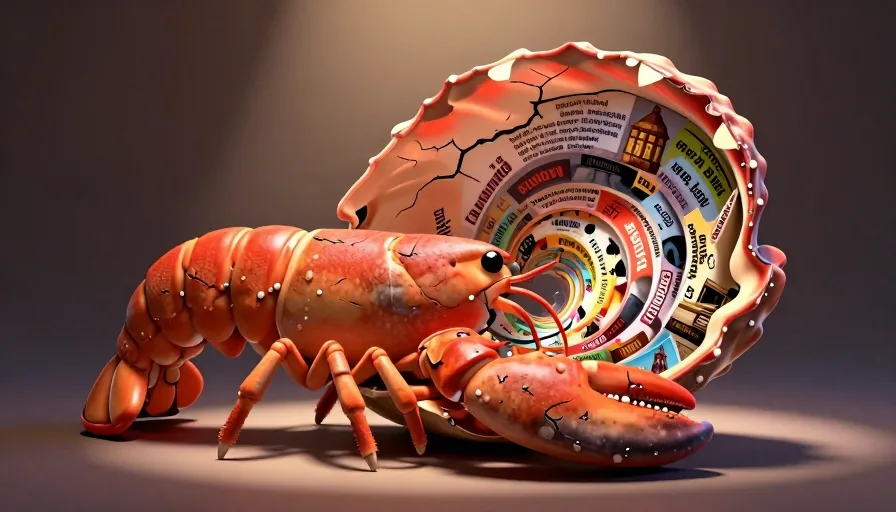
The word langosta in Spanish translates to 'lobster' in English. Understanding this translation is just the beginning. To truly master langosta ingles, you need to delve into its cultural context, usage, and pronunciation. This guide will provide you with comprehensive examples, cultural insights, and practical tips to help you use langosta correctly in English.
What is 'Langosta' in English?
Langosta is a feminine noun in Spanish that translates to 'lobster' in English. It refers to a type of crustacean known for its delicious meat and distinctive appearance. In Spanish-speaking countries, langosta is a popular dish, often served in coastal regions where lobsters are abundant.
Definition and Translation
- Spanish: langosta
- English: lobster
Common Mistakes
A common mistake is confusing langosta with other seafood terms like cangrejo (crab) or camarón (shrimp). While all are crustaceans, they have distinct characteristics and culinary uses.
Example Sentences and Phrases
To understand how langosta is used in context, let's look at some example sentences and phrases:
-
Spanish: La langosta es un manjar delicioso. English: Lobster is a delicious delicacy.
-
Spanish: En la cena, pedí una langosta con mantequilla. English: For dinner, I ordered a lobster with butter.
-
Spanish: La langosta se cocina mejor al vapor. English: Lobster is best cooked by steaming.
-
Spanish: ¿Te gustaría probar la langosta? English: Would you like to try the lobster?
-
Spanish: La langosta es más cara que el camarón. English: Lobster is more expensive than shrimp.
Mini Drill
Translate the following sentences from English to Spanish:
- I love eating lobster with melted butter.
- Lobster is a popular dish in coastal regions.
- The lobster was cooked to perfection.
- Would you like to share a lobster dinner with me?
- Lobster is more expensive than crab.
Cultural Context and Usage
In Spanish-speaking countries, langosta holds a special place in culinary traditions. For example, in Mexico, langosta is often served in coastal towns like Puerto Vallarta and Cancun. In Spain, particularly in the Galician region, langosta is a staple in seafood dishes. Understanding these cultural nuances can enhance your language learning experience and help you appreciate the word's significance.
Cultural Examples
- Mexico: In Puerto Vallarta, langosta is often served with a side of tortillas and a spicy sauce.
- Spain: In Galicia, langosta is traditionally served with a white wine sauce and potatoes.
- Caribbean: In the Caribbean, langosta is often grilled and served with a lime and herb marinade.
Checklist for Cultural Understanding
- Research local seafood dishes in Spanish-speaking countries.
- Try cooking a langosta recipe from a Spanish-speaking country.
- Visit a Spanish-speaking country and try langosta in a local restaurant.

Aprendé Idiomas con YouTube
Mirá videos en tu idioma objetivo, capturá palabras nuevas como flashcards automáticamente, y seguí tu progreso — todo en un solo lugar.
Ver Cómo Funciona →Audio Pronunciations and Phonetic Breakdown
To pronounce langosta correctly, follow this phonetic breakdown:
- Spanish: /lanˈɡosta/
- English: /lɒbˈstər/
Interactive Audio Pronunciations
Listen to the audio pronunciations below to improve your pronunciation:
Phonetic Comparison
-
Spanish: /lanˈɡosta/
- la: /la/
- n: /n/
- go: /ɡo/
- s: /s/
- ta: /ta/
-
English: /lɒbˈstər/
- lob: /lɒb/
- ster: /stər/
Practice Tips
- Repeat the words aloud several times.
- Record yourself and compare with the audio pronunciations.
- Practice with a language partner or tutor.
Comparison with Similar Words
To avoid confusion, let's compare langosta with similar words in English and Spanish:
Spanish Words
- Cangrejo: Crab
- Camarón: Shrimp
- Gamba: Prawn
English Words
- Crab: A type of crustacean with a hard shell and pincers.
- Shrimp: A small, swimming crustacean with a long tail.
- Prawn: A large shrimp, often used in cooking.
Practical Examples
-
Spanish: El cangrejo tiene pinzas grandes. English: The crab has large pincers.
-
Spanish: El camarón es más pequeño que la langosta. English: The shrimp is smaller than the lobster.
-
Spanish: La gamba es similar a la langosta pero más pequeña. English: The prawn is similar to the lobster but smaller.
By understanding these comparisons, you can use langosta more accurately in both Spanish and English.
Conclusion
Mastering the translation and cultural nuances of langosta in English involves more than just knowing the word's definition. It requires understanding its usage in context, cultural significance, and pronunciation. With the examples, checklists, and practical tips provided in this guide, you can confidently use langosta in your language learning journey.
Preguntas frecuentes
Is 'langosta' the same as 'cangrejo'?
No, 'langosta' translates to 'lobster' in English, while 'cangrejo' translates to 'crab'. They are different types of crustaceans with distinct characteristics.
How do you pronounce 'langosta' in Spanish?
The phonetic breakdown of 'langosta' in Spanish is /lanˈɡosta/. You can listen to the audio pronunciation [here](INSERT_AUDIO_LINK).
What are some common dishes that include 'langosta'?
In Spanish-speaking countries, 'langosta' is often served in coastal regions. Common dishes include grilled lobster with lime and herb marinade in the Caribbean, lobster with white wine sauce and potatoes in Galicia, Spain, and lobster with tortillas and spicy sauce in Mexico.
Frases relacionadas
Empezá con Metheus
Mirá videos en tu idioma objetivo, capturá palabras nuevas como flashcards automáticamente, y seguí tu progreso — todo en un solo lugar.
Comenzar →

