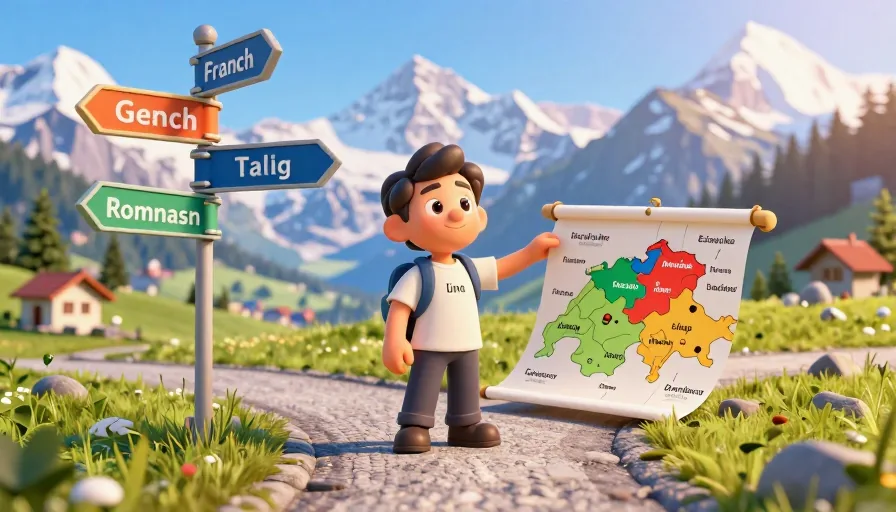
Switzerland, a country renowned for its stunning landscapes and rich cultural heritage, is also a linguistic mosaic. The Suiza language landscape is unique, with four official languages: German, French, Italian, and Romansh. This guide will delve into the historical and cultural context of multilingualism in Switzerland, provide practical tips for learning each language, and offer resources for language learners.
The Four Official Languages of Switzerland
Switzerland's linguistic diversity is one of its most distinctive features. The four official languages are German, French, Italian, and Romansh. Each language has its own regions and cultural significance.
German
German is the most widely spoken language in Switzerland, with about 63% of the population using it as their primary language. Swiss German, a collection of Alemannic dialects, is commonly spoken in daily life, while Standard German is used in writing and formal contexts. Learning Swiss German can be challenging due to its regional variations, but it's a rewarding experience that opens doors to local culture.
Mini Drill: Swiss German Phrases
- Grüezi (Hello)
- Meri (Thank you)
- Bitte (Please)
French
French is spoken by about 23% of the population, primarily in the western part of the country, known as Romandy. Swiss French has some unique features, such as the use of the informal tu instead of vous in formal contexts. Learning French in Switzerland offers a blend of cultural experiences, from the vibrant cities of Geneva and Lausanne to the picturesque countryside.
Mini Drill: Swiss French Phrases
- Salut (Hello)
- Merci (Thank you)
- S'il vous plaît (Please)
Italian
Italian is spoken by about 8% of the population, mainly in the southern canton of Ticino and the southern part of Graubünden. Swiss Italian is similar to standard Italian but has some regional variations. Learning Italian in Switzerland provides access to a rich cultural heritage, including delicious cuisine and beautiful landscapes.
Mini Drill: Swiss Italian Phrases
- Ciao (Hello)
- Grazie (Thank you)
- Per favore (Please)
Romansh
Romansh is the least widely spoken of the four official languages, with only about 0.5% of the population using it as their primary language. It is spoken in the southeastern canton of Graubünden. Romansh has several dialects, and learning it can be a unique and rewarding experience for language enthusiasts.
Mini Drill: Romansh Phrases
- Allegra (Hello)
- Grazia (Thank you)
- Plais (Please)
Historical and Cultural Context of Multilingualism
Switzerland's multilingualism is deeply rooted in its history. The country's linguistic diversity has been a source of both unity and tension. The Swiss Constitution recognizes the equality of the four national languages, and multilingualism is a fundamental aspect of Swiss identity. This historical context has shaped the country's approach to language education and policy, making it a unique case study in linguistic diversity.
Key Historical Events
- 1848: The Swiss Federal Constitution is adopted, recognizing the equality of the four national languages.
- 1996: Romansh is added as the fourth official language, alongside German, French, and Italian.
Cultural Significance
Multilingualism in Switzerland is not just about communication; it's about cultural identity. Each language has its own cultural heritage, traditions, and customs. Learning a Swiss language means immersing yourself in a rich cultural tapestry.

Aprendé Idiomas con YouTube
Mirá videos en tu idioma objetivo, capturá palabras nuevas como flashcards automáticamente, y seguí tu progreso — todo en un solo lugar.
Ver Cómo Funciona →Practical Tips for Learning Swiss Languages
Learning a Swiss language can be a rewarding experience, but it also comes with its challenges. Here are some practical tips to help you get started.
German
- Start with Standard German: Before diving into Swiss German dialects, build a strong foundation in Standard German.
- Practice Listening: Listen to Swiss German podcasts and watch Swiss TV shows to get used to the dialect.
- Join a Language Exchange: Find a language exchange partner who speaks Swiss German to practice conversationally.
French
- Focus on Pronunciation: Swiss French has unique pronunciation features, so practice regularly.
- Use Local Resources: Watch Swiss French TV shows and listen to Swiss French radio stations.
- Engage with Locals: Join local clubs or groups to practice French in a social setting.
Italian
- Learn Standard Italian First: Build a strong foundation in standard Italian before tackling Swiss Italian dialects.
- Practice with Locals: Engage with Italian-speaking communities in Switzerland to get a feel for the local dialect.
- Use Media: Watch Swiss Italian TV shows and listen to Swiss Italian radio stations.
Romansh
- Choose a Dialect: Romansh has several dialects, so choose one that interests you and focus on it.
- Find a Tutor: Finding a tutor who speaks Romansh can be challenging, but it's worth the effort.
- Immerse Yourself: Visit Graubünden and engage with the local community to practice Romansh.
Resources for Language Learners
There are numerous resources available for language learners interested in Swiss languages. Here are some recommendations:
Online Courses
- Duolingo: Offers courses in German, French, and Italian.
- Babbel: Provides comprehensive courses in German, French, and Italian.
- Rosetta Stone: Offers immersive language learning experiences in German, French, and Italian.
Language Exchange Platforms
- Tandem: Connects you with native speakers of Swiss languages for language exchange.
- HelloTalk: A language exchange app with a large community of Swiss language speakers.
- Interpals: A social network for language exchange and cultural understanding.
Local Resources
- Language Schools: Enroll in a language school in Switzerland for immersive learning experiences.
- Local Clubs and Groups: Join local clubs or groups to practice your language skills in a social setting.
- Cultural Events: Attend cultural events and festivals to immerse yourself in the local language and culture.
Common Phrases and Expressions
Learning common phrases and expressions is essential for effective communication. Here are some useful phrases in each of the Swiss languages:
German
- Grüezi (Hello)
- Wie geht's? (How are you?)
- Auf Wiedersehen (Goodbye)
- Bitte (Please)
- Danke (Thank you)
French
- Salut (Hello)
- Ça va? (How are you?)
- Au revoir (Goodbye)
- S'il vous plaît (Please)
- Merci (Thank you)
Italian
- Ciao (Hello)
- Come stai? (How are you?)
- Arrivederci (Goodbye)
- Per favore (Please)
- Grazie (Thank you)
Romansh
- Allegra (Hello)
- Cum va? (How are you?)
- Adieu (Goodbye)
- Plais (Please)
- Grazia (Thank you)
Checklist for Language Learners
- Set Clear Goals: Define what you want to achieve with your language learning.
- Create a Study Plan: Develop a structured study plan with daily or weekly goals.
- Practice Regularly: Consistency is key in language learning. Practice every day, even if it's just for a few minutes.
- Immerse Yourself: Surround yourself with the language as much as possible. Watch movies, listen to music, and read books in the language you're learning.
- Join a Community: Connect with other language learners or native speakers to practice and get support.
- Track Your Progress: Regularly assess your progress to stay motivated and make adjustments to your study plan.
Conclusion
Learning the Suiza language is a journey that offers rich cultural insights and practical benefits. Whether you're interested in German, French, Italian, or Romansh, this guide provides a comprehensive overview and practical tips to help you get started. Embrace the linguistic diversity of Switzerland and enjoy the rewarding experience of learning a new language.
Preguntas frecuentes
Is it necessary to learn all four official languages to live in Switzerland?
No, it is not necessary to learn all four official languages to live in Switzerland. Most people in Switzerland speak at least one of the official languages, and many also speak English. However, learning the local language of the region where you live can greatly enhance your experience and help you integrate into the community.
Which language should I learn first if I plan to visit multiple regions in Switzerland?
If you plan to visit multiple regions in Switzerland, it might be beneficial to start with German, as it is the most widely spoken language. However, if you have a specific region in mind, such as Romandy for French or Ticino for Italian, it might be more practical to start with the language of that region.
Are there any resources for learning Romansh, given its limited speaker base?
Yes, there are resources available for learning Romansh, although they may be more limited compared to the other official languages. You can find online courses, language exchange platforms, and local resources in Graubünden. Additionally, some universities and language schools offer Romansh courses.
Frases relacionadas
Empezá con Metheus
Mirá videos en tu idioma objetivo, capturá palabras nuevas como flashcards automáticamente, y seguí tu progreso — todo en un solo lugar.
Comenzar →

