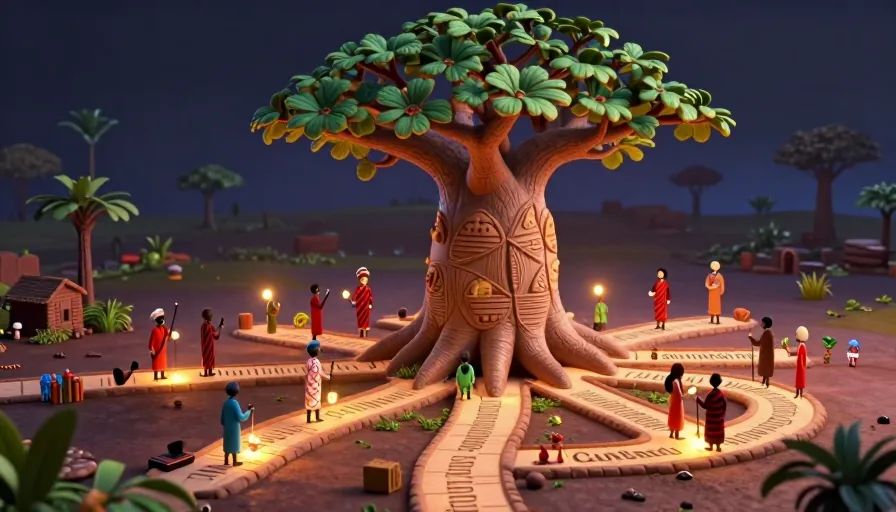
Tanzania is a country rich in linguistic diversity, with idiomas tanzania reflecting its cultural heritage and colonial history. Learning the languages of Tanzania, particularly Swahili, offers numerous benefits, from cultural immersion to practical communication skills. This guide will explore the major languages spoken in Tanzania, their cultural significance, and practical uses, along with resources for learning them effectively.
Overview of Languages Spoken in Tanzania
Tanzania is home to a multitude of languages, with Swahili serving as the national language. The country's linguistic landscape is influenced by its colonial past and the presence of various ethnic groups. The major language families include Bantu, Cushitic, Nilotic, and Khoisan. Understanding the diversity of idiomas tanzania is the first step in appreciating the country's rich cultural tapestry.
Language Families in Tanzania
- Bantu Languages: These are the most widely spoken languages in Tanzania, with Swahili being the most prominent. Other Bantu languages include Sukuma, Nyamwezi, and Haya.
- Cushitic Languages: Spoken primarily in the northern and eastern regions, these languages include Maasai and Iraqw.
- Nilotic Languages: Found mainly in the northern and western parts of the country, examples include Luo and Datooga.
- Khoisan Languages: These are less comprehensively spoken and include Hadza and Sandawe.
The Role of Swahili as the National Language
Swahili, also known as Kiswahili, is the national language of Tanzania and serves as a lingua franca, facilitating communication among the diverse ethnic groups. It is a Bantu language with significant Arabic and Persian influences, reflecting the country's historical trade routes. Learning Swahili is essential for anyone planning to live in or visit Tanzania, as it is widely used in education, media, and daily life.
Cultural Significance of Swahili
Swahili is more than just a language; it is a cultural identity. It is used in literature, music, and traditional ceremonies. Learning Swahili provides a deeper understanding of Tanzanian culture and traditions. For example, Swahili proverbs and sayings offer insights into the values and wisdom of the Tanzanian people.
Practical Uses of Swahili
- Travel: Knowing Swahili makes it easier to navigate Tanzania, from ordering food to asking for directions.
- Business: Swahili is used in many business settings, making it a valuable skill for expats and entrepreneurs.
- Education: Swahili is the medium of instruction in many schools, and proficiency in the language is often required for higher education.
Major Languages and Their Cultural Significance
While Swahili is the national language, other languages play crucial roles in the cultural fabric of Tanzania. Understanding these languages can enhance your experience and appreciation of the country.
Maasai
The Maasai people are known for their distinctive culture and traditions. Their language, also called Maasai, is a Cushitic language. Learning Maasai can provide insights into their nomadic lifestyle, traditional rituals, and unique social structure. For example, understanding Maasai greetings and customs can help build rapport with the community.
Luo
Luo is a Nilotic language spoken primarily in the northern and western regions of Tanzania. It is also spoken in neighboring Kenya. Learning Luo can help you connect with the Luo community, known for their rich oral traditions and vibrant cultural festivals. For example, participating in Luo ceremonies and understanding their traditional songs can be a rewarding experience.
Haya
Haya is a Bantu language spoken in the Kagera region. It is known for its complex grammar and rich vocabulary. Learning Haya can provide a deeper understanding of the Haya people's history, traditions, and social norms. For example, engaging in conversations about Haya folklore and legends can offer valuable cultural insights.

Aprendé Idiomas con YouTube
Mirá videos en tu idioma objetivo, capturá palabras nuevas como flashcards automáticamente, y seguí tu progreso — todo en un solo lugar.
Ver Cómo Funciona →Practical Uses of Learning Swahili and Other Tanzanian Languages
Learning idiomas tanzania offers numerous practical benefits, from enhancing travel experiences to improving business opportunities. Here are some practical uses and tips for effective learning.
Travel and Tourism
Knowing Swahili and other Tanzanian languages can greatly enhance your travel experience. You can communicate with locals, understand cultural nuances, and navigate more easily. For example, learning basic Swahili phrases can help you order food, ask for directions, and engage in conversations with locals.
Business and Work
For expats and entrepreneurs, learning Swahili and other Tanzanian languages can open up business opportunities and improve work relationships. It shows respect for the local culture and can help build trust with clients and colleagues. For example, understanding local business etiquette and communication styles can enhance your professional interactions.
Education and Research
Swahili is the medium of instruction in many Tanzanian schools, and proficiency in the language is often required for higher education. Learning Swahili can also be beneficial for researchers studying Tanzanian culture, history, and society. For example, accessing local literature and academic resources in Swahili can provide valuable insights for research.
Mini Drill: Basic Swahili Phrases
Here are some basic Swahili phrases to get you started:
- Hello: Jambo
- How are you?: Habari yako?
- Goodbye: Kwaheri
- Thank you: Asante
- Please: Tafadhali
- Excuse me: Samahani
- Yes: Ndiyo
- No: Hapana
Practice these phrases with a language partner or use language learning apps to improve your pronunciation and fluency.
Resources for Learning Swahili and Other Tanzanian Languages
There are numerous resources available for learning Swahili and other idiomas tanzania. Here are some recommended resources and tips for effective learning.
Language Learning Apps
- Duolingo: Offers interactive lessons in Swahili, making it easy to learn basic vocabulary and grammar.
- Babbel: Provides structured courses in Swahili, focusing on conversation and cultural context.
- Memrise: Uses spaced repetition to help you memorize Swahili vocabulary and phrases.
Online Courses
- Coursera: Offers courses in Swahili language and culture, taught by university professors.
- Udemy: Provides a variety of Swahili courses, from beginner to advanced levels.
- iTalki: Connects you with native Swahili speakers for one-on-one language lessons.
Books and Textbooks
- Teach Yourself Swahili: A comprehensive guide to learning Swahili, including grammar, vocabulary, and cultural notes.
- Swahili: An Essential Grammar: A detailed grammar reference for intermediate and advanced learners.
- Swahili for Beginners: A beginner-friendly textbook with exercises and audio recordings.
Checklist for Effective Language Learning
- Set Clear Goals: Define what you want to achieve with your language learning, whether it's basic conversation, fluency, or academic proficiency.
- Create a Study Schedule: Allocate dedicated time each day for language practice and study.
- Immerse Yourself: Surround yourself with the language through music, movies, and conversations with native speakers.
- Practice Regularly: Consistency is key in language learning. Practice daily, even if it's just for a few minutes.
- Use Interactive Resources: Engage with language learning apps, online courses, and language exchange platforms to enhance your learning experience.
Mini Drill: Language Learning Checklist
- Day 1: Learn 10 new Swahili words and practice their pronunciation.
- Day 2: Write a short paragraph in Swahili using the new words.
- Day 3: Find a language exchange partner and practice a conversation in Swahili.
- Day 4: Watch a Swahili movie or TV show and take notes on new vocabulary.
- Day 5: Review all the new words and phrases you've learned during the week.
By following this checklist, you can build a strong foundation in Swahili and other idiomas tanzania.
Conclusion
Learning idiomas tanzania, particularly Swahili, offers a wealth of cultural and practical benefits. Whether you're a traveler, expat, or language enthusiast, understanding the languages of Tanzania can enrich your experience and open up new opportunities. With the right resources and consistent practice, you can achieve proficiency in Swahili and other Tanzanian languages, gaining a deeper appreciation for the country's rich cultural heritage.
Preguntas frecuentes
Is Swahili the only language spoken in Tanzania?
No, while Swahili is the national language, Tanzania is home to a diverse range of languages, including Bantu, Cushitic, Nilotic, and Khoisan languages. Each of these languages has its own cultural significance and is spoken by various ethnic groups.
Do I need to learn Swahili to travel to Tanzania?
Learning Swahili can greatly enhance your travel experience in Tanzania, as it is widely spoken and used in daily life. However, many people in tourist areas also speak English, so it is not strictly necessary. Knowing basic Swahili phrases can help you communicate with locals and navigate more easily.
What are some practical uses of learning Swahili?
Learning Swahili has numerous practical uses, including enhancing travel experiences, improving business opportunities, and facilitating education and research. It is also a valuable skill for expats and language enthusiasts who want to immerse themselves in Tanzanian culture.
Frases relacionadas
Empezá con Metheus
Mirá videos en tu idioma objetivo, capturá palabras nuevas como flashcards automáticamente, y seguí tu progreso — todo en un solo lugar.
Comenzar →

