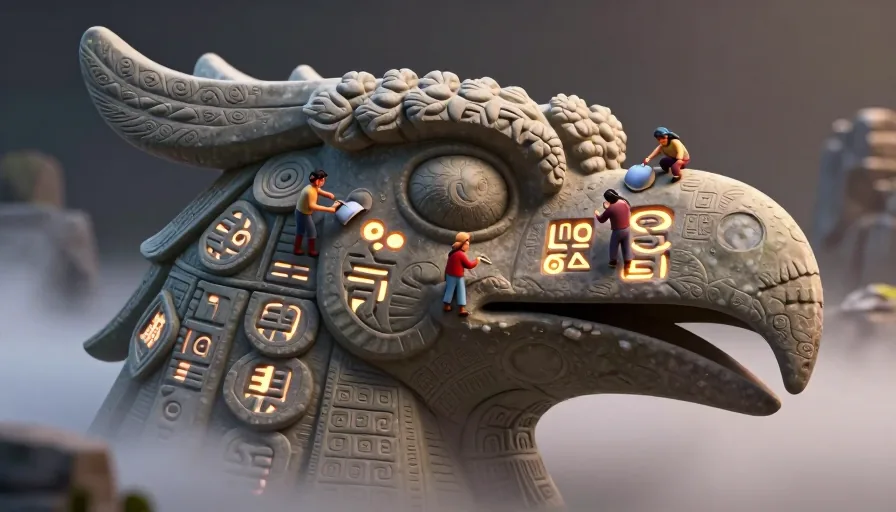
The idiomas incas, particularly Quechua, hold a profound historical and cultural significance in South America. This language, spoken by the Incas, has evolved and spread across various regions, becoming a vital part of the cultural heritage of many countries. This article delves into the historical significance, geographical distribution, and modern-day usage of Quechua, providing practical tips for language learners.
The Historical Significance of Quechua
Quechua, the language of the Incas, has a rich history that dates back to the pre-Columbian era. It was the lingua franca of the Inca Empire, which stretched from modern-day Ecuador to Chile. The Incas used Quechua to unify their vast empire, facilitating communication and administration across diverse ethnic groups. The language's historical significance is evident in its role as a tool for cultural preservation and identity.
Key Historical Events
- Inca Empire Expansion: As the Inca Empire expanded, Quechua became the official language, replacing local dialects in administrative and official contexts.
- Spanish Conquest: Despite the Spanish conquest, Quechua remained a dominant language in many regions, often used in religious and educational settings.
- Modern Revivals: In recent decades, there has been a resurgence of interest in preserving and revitalizing Quechua, with efforts to include it in educational curricula and media.
Geographical Distribution and Dialects
Quechua is spoken in several countries, including Peru, Bolivia, Ecuador, Chile, Colombia, and Argentina. The language has evolved into various dialects, each with unique characteristics and vocabulary. Understanding these dialects is crucial for language learners who wish to communicate effectively in different regions.
Major Dialects
- Cusco-Collao Quechua: Spoken in the Cusco region of Peru, this dialect is considered the most prestigious and is often used in official contexts.
- Ayacucho Quechua: Spoken in the Ayacucho region of Peru, this dialect has significant differences in pronunciation and vocabulary.
- Bolivian Quechua: Spoken in Bolivia, this dialect has influences from Aymara, another indigenous language.
The Impact of the Inca Empire on Language Spread
The Inca Empire played a pivotal role in the spread of Quechua. The Incas implemented a systematic approach to language dissemination, sending teachers to conquered territories to teach Quechua. This strategy ensured that Quechua became the primary language of administration and communication across the empire.
Strategies for Language Dissemination
- Educational Programs: The Incas established schools and educational programs to teach Quechua to the local populations.
- Administrative Use: Quechua was used in all official documents and communications, making it essential for governance.
- Cultural Integration: The Incas integrated Quechua into their cultural practices, including religious ceremonies and festivals, further solidifying its importance.

Aprendé Idiomas con YouTube
Mirá videos en tu idioma objetivo, capturá palabras nuevas como flashcards automáticamente, y seguí tu progreso — todo en un solo lugar.
Ver Cómo Funciona →Modern-Day Usage and Preservation
Today, Quechua is spoken by approximately 12 million people. Efforts to preserve and revitalize the language are ongoing, with initiatives in education, media, and cultural events. Understanding the modern-day usage of Quechua is essential for language learners who wish to engage with contemporary speakers.
Preservation Efforts
- Educational Initiatives: Many schools and universities offer Quechua language courses, ensuring that the language is passed down to future generations.
- Media and Literature: Quechua is used in radio, television, and literature, providing a platform for cultural expression and preservation.
- Cultural Events: Festivals and cultural events celebrate Quechua, promoting its use and significance in modern society.
Practical Tips for Learning Quechua
Learning Quechua can be a rewarding experience, offering insights into the rich cultural heritage of the Incas. Here are some practical tips to help you get started:
Checklist for Beginners
- Learn the Alphabet: Quechua uses the Latin alphabet with a few additional letters. Familiarize yourself with the pronunciation of each letter.
- Basic Vocabulary: Start with common words and phrases, such as greetings, numbers, and everyday expressions.
- Grammar Basics: Understand the basic grammar rules, including verb conjugation and sentence structure.
- Practice Regularly: Consistency is key. Practice speaking, listening, and writing in Quechua regularly.
- Engage with Native Speakers: Interact with native speakers to improve your pronunciation and fluency.
Mini Drills
- Greetings: Practice common greetings such as "Alli" (Hello) and "Munay" (I love you).
- Numbers: Learn to count from 1 to 10 in Quechua.
- Basic Sentences: Form simple sentences like "Mikhuq kanki?" (How are you?) and "Munaykanki" (I love you).
Conclusion
Exploring the idiomas incas, particularly Quechua, offers a unique opportunity to connect with the rich history and cultural heritage of the Incas. By understanding its historical significance, geographical distribution, and modern-day usage, language learners can gain a deeper appreciation for this fascinating language. With practical tips and consistent practice, anyone can embark on the journey of learning Quechua and immersing themselves in the vibrant culture of the Andes.
Preguntas frecuentes
Is Quechua still widely spoken today?
Yes, Quechua is still widely spoken today, with approximately 12 million speakers across several countries in South America. Efforts to preserve and revitalize the language are ongoing, ensuring its continued use in education, media, and cultural events.
How many dialects of Quechua are there?
Quechua has several dialects, each with unique characteristics and vocabulary. Some of the major dialects include Cusco-Collao Quechua, Ayacucho Quechua, and Bolivian Quechua. Understanding these dialects is crucial for effective communication in different regions.
What are some practical tips for learning Quechua?
Practical tips for learning Quechua include learning the alphabet, building basic vocabulary, understanding grammar basics, practicing regularly, and engaging with native speakers. Consistency and immersion are key to mastering the language.
Frases relacionadas
Empezá con Metheus
Mirá videos en tu idioma objetivo, capturá palabras nuevas como flashcards automáticamente, y seguí tu progreso — todo en un solo lugar.
Comenzar →

