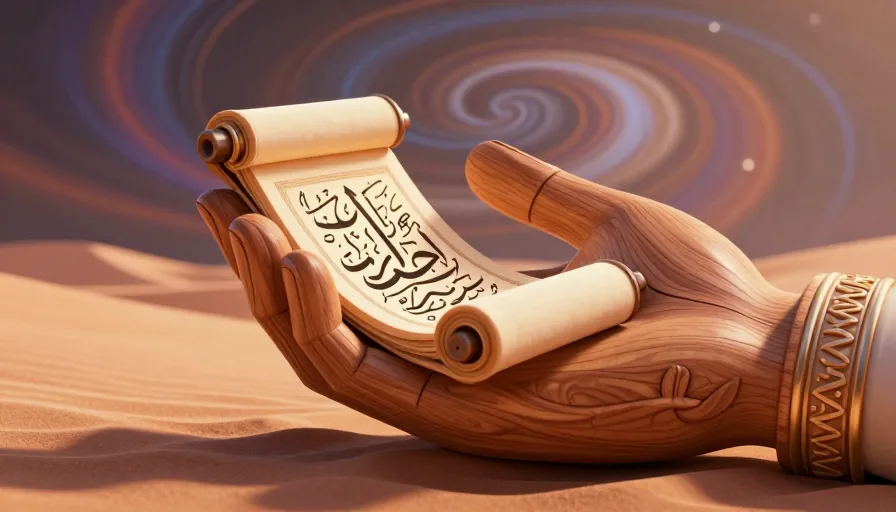
Arabic is a rich and vibrant language with a deep cultural heritage. One of the first steps in learning Arabic is mastering the saludo arabe, or Arabic greetings. These greetings are not just words; they are a reflection of the cultural values and social norms of the Arabic-speaking world. Understanding and using these greetings correctly can enhance your communication and cultural sensitivity.
Cultural Significance of Arabic Greetings
Arabic greetings are deeply rooted in the cultural and religious traditions of the Middle East. The most common and widely recognized greeting is As-salamu alaikum, which means "Peace be upon you." This greeting is not just a casual hello; it carries a profound meaning of peace, respect, and goodwill. The response to this greeting is Wa alaikum as-salam, meaning "And peace be upon you."
Cultural Nuances
- Respect for Elders: In Arabic culture, elders are highly respected. When greeting an elder, it is customary to use more formal language and show deference.
- Greeting in Groups: When entering a room or joining a group, it is polite to greet everyone individually or collectively with a general As-salamu alaikum.
- Handshakes and Physical Contact: Handshakes are common, but it is important to note that physical contact may vary based on cultural and religious practices. In some conservative settings, men and women may not shake hands.
Formal Greetings and Responses
Formal greetings are essential in professional and respectful settings. Here are some key formal greetings and their responses:
- As-salamu alaikum (Peace be upon you) - Wa alaikum as-salam (And peace be upon you)
- Marhaba (Welcome) - Marhaba (Welcome)
- Ahlan wa sahlan (Welcome) - Ahlan beek (Welcome to you)
- Sabah al-khair (Good morning) - Sabah al-nour (Morning of light)
- Masaa al-khair (Good evening) - Masaa al-nour (Evening of light)
Practical Examples
- At a Business Meeting: Use As-salamu alaikum to greet your colleagues or clients. This sets a respectful tone and shows cultural awareness.
- At a Formal Event: Greet the host with Ahlan wa sahlan and respond with Ahlan beek when greeted.
Informal Greetings and Responses
Informal greetings are used among friends, family, and in casual settings. Here are some common informal greetings:
- Shlonak (How are you?) - Bikhair (I am fine)
- Kifak (How are you?) - Bikhair (I am fine)
- Kifak enta (How are you?) - Bikhair (I am fine)
- Maas-salamah (Goodbye) - Maas-salamah (Goodbye)
- Yalla (Let's go) - Yalla (Let's go)
Practical Examples
- With Friends: Use Shlonak to ask how they are doing and respond with Bikhair.
- With Family: Greet with Kifak and respond with Bikhair.

Aprendé Idiomas con YouTube
Mirá videos en tu idioma objetivo, capturá palabras nuevas como flashcards automáticamente, y seguí tu progreso — todo en un solo lugar.
Ver Cómo Funciona →Basic Phrases for Daily Conversations
In addition to greetings, knowing basic phrases can greatly enhance your daily conversations. Here are some essential phrases:
- Shukran (Thank you) - Afwan (You're welcome)
- Min fadlak (Please) - Min fadlak (Please)
- La shukran (No, thank you) - Afwan (You're welcome)
- Ma'a as-salamah (Goodbye) - Ma'a as-salamah (Goodbye)
- Inshallah (God willing) - Inshallah (God willing)
Mini Drill
Practice the following dialogue with a friend or language partner:
- You: As-salamu alaikum
- Friend: Wa alaikum as-salam
- You: Shlonak?
- Friend: Bikhair, shukran. Wa enta?
- You: Bikhair, shukran.
Practical Tips for Using Arabic Greetings
- Pronunciation: Pay attention to pronunciation. Arabic has unique sounds that may not exist in your native language. Practice with native speakers or use language learning apps.
- Context: Understand the context in which you are using the greeting. Formal greetings are essential in professional settings, while informal greetings are suitable for casual interactions.
- Cultural Sensitivity: Be mindful of cultural norms and practices. For example, avoid using informal greetings with elders or in formal settings.
- Practice Regularly: Regular practice is key to mastering Arabic greetings. Engage in conversations with native speakers and use language learning apps to reinforce your skills.
- Checklist for Mastering Arabic Greetings:
- Learn the basic formal and informal greetings.
- Practice pronunciation with native speakers.
- Understand the cultural context and appropriate usage.
- Engage in daily conversations to reinforce learning.
- Use language learning apps for additional practice.
Common Mistakes to Avoid
- Incorrect Pronunciation: Mispronouncing greetings can lead to misunderstandings. Practice regularly to improve your pronunciation.
- Inappropriate Greetings: Using informal greetings in formal settings can be disrespectful. Always consider the context.
- Ignoring Cultural Norms: Failing to understand and respect cultural norms can hinder effective communication. Be mindful of cultural practices and adapt your greetings accordingly.
Interactive Learning Elements
- Language Exchange: Find a language exchange partner who speaks Arabic and practice greetings with them.
- Cultural Immersion: Watch Arabic movies, listen to Arabic music, and engage with Arabic media to understand the cultural context better.
- Language Apps: Use language learning apps like Metheus.app to practice greetings and receive feedback on your pronunciation.
By mastering the saludo arabe, you will not only enhance your language skills but also gain a deeper understanding of the rich cultural heritage of the Arabic-speaking world. Start practicing today and experience the beauty of Arabic greetings!
Preguntas frecuentes
Is it necessary to use formal greetings in all settings?
No, it is not necessary to use formal greetings in all settings. Formal greetings are essential in professional and respectful settings, while informal greetings are suitable for casual interactions with friends and family. Always consider the context and the relationship with the person you are greeting.
Can I use informal greetings with elders?
It is generally not recommended to use informal greetings with elders. In Arabic culture, elders are highly respected, and using formal greetings shows deference and respect. Always consider the cultural norms and practices when greeting elders.
What should I do if I mispronounce a greeting?
If you mispronounce a greeting, don't worry too much. Arabic has unique sounds that may not exist in your native language. Practice regularly with native speakers or use language learning apps to improve your pronunciation. Apologize if necessary and continue the conversation.
Frases relacionadas
Empezá con Metheus
Mirá videos en tu idioma objetivo, capturá palabras nuevas como flashcards automáticamente, y seguí tu progreso — todo en un solo lugar.
Comenzar →

