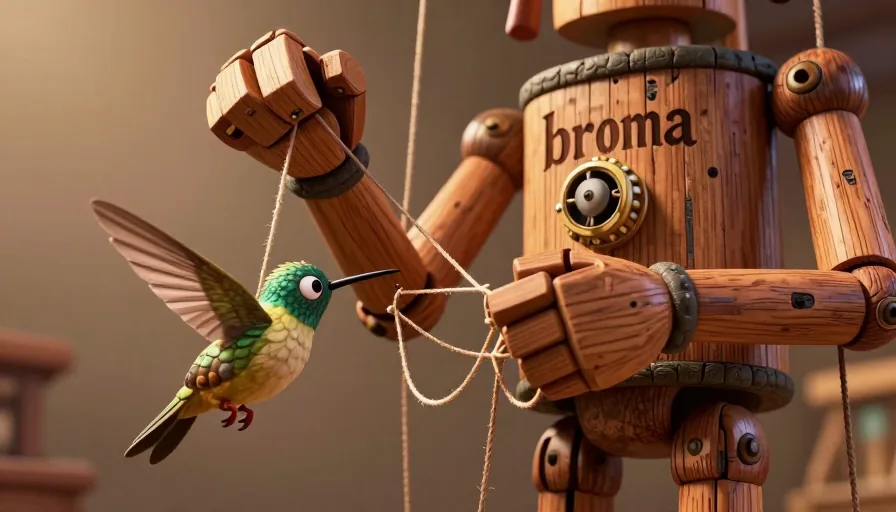
Bromas ingles, or jokes in Spanish, are a fundamental part of the language and culture. Understanding the word 'broma' and its usage can greatly enhance your language skills and cultural awareness. This guide will cover the definition of 'broma,' its English equivalents, cultural context, common phrases, and pronunciation tips.
What Does 'Broma' Mean in Spanish?
The word 'broma' in Spanish translates to 'joke' in English. It is a feminine noun and is often used to describe a humorous statement or action intended to make someone laugh. For example:
- Spanish: ¡Me contó una broma muy graciosa!
- English: He told me a very funny joke!
Common Phrases and Idioms with 'Broma'
There are several common phrases and idioms that use the word 'broma.' Understanding these can help you sound more natural when speaking Spanish. Here are a few examples:
-
Hacer una broma: To make a joke
- Example: Siempre hace bromas en las reuniones de familia.
- Translation: He always makes jokes at family gatherings.
-
Tomar el pelo: To pull someone's leg (literally, 'to take the hair')
- Example: Me tomó el pelo cuando me dijo que había ganado la lotería.
- Translation: He pulled my leg when he told me he had won the lottery.
-
Gastar una broma: To play a joke on someone
- Example: Le gastaron una broma a su amigo en su cumpleaños.
- Translation: They played a joke on his friend on his birthday.
Cultural Context and Usage Examples
In Spanish-speaking cultures, bromas are an essential part of social interactions. They can be used to lighten the mood, build relationships, or even to tease someone affectionately. Here are some cultural insights and usage examples:
-
In Mexico: Mexicans often use bromas to break the ice in social situations. A common joke might involve poking fun at someone's accent or mannerisms.
- Example: ¡Oye, ¿por qué los mexicanos no pueden jugar al escondite? ¡Porque siempre se esconden en la cocina!
- Translation: Hey, why can't Mexicans play hide and seek? Because they always hide in the kitchen!
-
In Spain: Spaniards are known for their wit and sarcasm. Bromas in Spain often involve clever wordplay and puns.
- Example: ¿Por qué los españoles no pueden jugar al ajedrez? ¡Porque siempre se comen las piezas!
- Translation: Why can't Spaniards play chess? Because they always eat the pieces!

Aprendé Idiomas con YouTube
Mirá videos en tu idioma objetivo, capturá palabras nuevas como flashcards automáticamente, y seguí tu progreso — todo en un solo lugar.
Ver Cómo Funciona →Pronunciation and Grammar Tips
Pronunciation and grammar are crucial for effective communication. Here are some tips to help you pronounce 'broma' correctly and use it in sentences:
-
Pronunciation: 'Broma' is pronounced as /ˈbɾo.ma/.
- Audio: [Insert audio link here]
-
Grammar: 'Broma' is a feminine noun, so it should be used with feminine articles and adjectives.
- Example: La broma fue muy divertida.
- Translation: The joke was very funny.
Mini Drill: Fill in the Blanks
Complete the following sentences with the correct form of 'broma':
-
- Spanish:
- English:
-
- Spanish:
- English:
-
- Spanish:
- English:
Interactive Quizzes and Exercises
To reinforce your learning, try these interactive quizzes and exercises:
Quiz: Match the Phrase
Match the Spanish phrase with its English equivalent:
-
Hacer una broma a) To pull someone's leg b) To make a joke c) To play a joke on someone
-
Tomar el pelo a) To make a joke b) To pull someone's leg c) To play a joke on someone
-
Gastar una broma a) To make a joke b) To pull someone's leg c) To play a joke on someone
Exercise: Create Your Own Joke
Try creating your own joke in Spanish using the phrases and idioms you've learned. Share it with a friend or language exchange partner and see if they can understand and appreciate the humor.
Checklist: Mastering Bromas Ingles
- Understand the definition of 'broma' in Spanish and its English equivalents.
- Learn common phrases and idioms related to 'broma'.
- Practice pronunciation and grammar tips.
- Engage in interactive quizzes and exercises.
- Create and share your own jokes in Spanish.
By following this checklist, you'll be well on your way to mastering bromas ingles and enhancing your language skills.
Conclusion
Understanding bromas ingles is not just about learning a word; it's about immersing yourself in the culture and language. By practicing the phrases, idioms, and cultural insights provided in this guide, you'll be able to use 'broma' confidently and effectively in your Spanish conversations.
Preguntas frecuentes
Is 'broma' always used in a positive context?
While 'broma' often refers to lighthearted jokes, it can sometimes be used in a negative context, such as when someone is being teased or pranked in a way that might not be appreciated. It's important to consider the tone and context when using or interpreting 'broma'.
Can 'broma' be used in formal settings?
Using 'broma' in formal settings can be tricky. While it can lighten the mood, it might also be seen as inappropriate or disrespectful. It's generally best to use 'broma' in informal or casual settings unless you're sure the context allows for it.
Frases relacionadas
Empezá con Metheus
Mirá videos en tu idioma objetivo, capturá palabras nuevas como flashcards automáticamente, y seguí tu progreso — todo en un solo lugar.
Comenzar →

