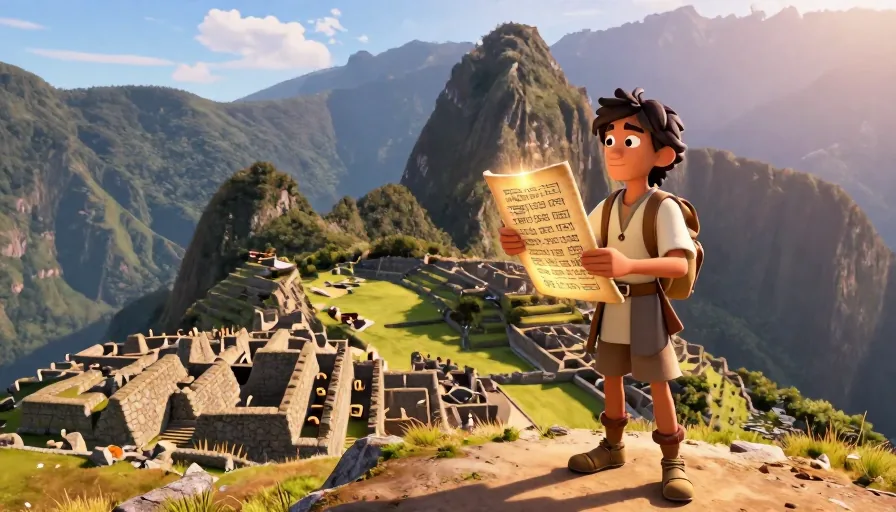
The idiomas Quechua are a family of indigenous languages spoken primarily in the Andean region of South America. With roots tracing back to the Inca Empire, these languages hold significant cultural and historical importance. This guide will delve into the diversity of Quechua variants, their geographical distribution, and practical steps for learners interested in mastering these ancient tongues.
Understanding the Quechua Language Family and its Variants
The Quechua language family is composed of nine distinct variants, each with its unique characteristics and regional dialects. These variants are:
- Southern Quechua (Quechua II)
- Central Quechua (Quechua I)
- Northern Quechua (Quechua III)
- Ayacucho Quechua (Quechua IV)
- Cusco Quechua (Quechua V)
- Bolivian Quechua (Quechua VI)
- Ecuadorian Quechua (Quechua VII)
- Colombian Quechua (Quechua VIII)
- **Peruvian Quechua (Quechua IX)
Each of these variants has evolved over centuries, influenced by geographical isolation and cultural interactions. For instance, Southern Quechua is widely spoken in Bolivia and parts of Peru, while Northern Quechua is prevalent in Ecuador and Colombia. Understanding these distinctions is crucial for learners aiming to communicate effectively in specific regions.
Mini Drill: Identifying Quechua Variants
Try to match the following phrases with their respective Quechua variants:
- Munayki (I love you)
- Munay (Love)
- Munaychik (I love you)
- Munayki (I love you)
- Munay (Love)
- Munaychik (I love you)
- Munay (Love)
- Munayki (I love you)
- Munay (Love)
Answers: 1. Southern Quechua, 2. Central Quechua, 3. Northern Quechua, 4. Ayacucho Quechua, 5. Cusco Quechua, 6. Bolivian Quechua, 7. Ecuadorian Quechua, 8. Colombian Quechua, 9. Peruvian Quechua.
Quechua's Role in Andean Culture and History
The Quechua languages are deeply intertwined with the history and culture of the Andean region. During the Inca Empire, Quechua served as the lingua franca, facilitating communication across vast territories. This linguistic unity played a pivotal role in the empire's administrative and cultural cohesion.
Today, Quechua continues to be a vital part of Andean identity. It is used in traditional ceremonies, folklore, and everyday life. For learners, understanding the cultural context can enhance language acquisition and appreciation. Engaging with local communities, attending cultural events, and studying traditional literature are excellent ways to immerse oneself in the language.
Practical Example: Cultural Immersion
Imagine you are visiting Cusco, Peru. You decide to attend a local festival celebrating the Inti Raymi, the Festival of the Sun. Engaging with locals in Quechua during this event can provide a rich cultural experience and practical language practice. You might hear phrases like Inti Raymi (Festival of the Sun) and Warmikuna (Women), which can be incorporated into your vocabulary.
Where to Find Resources to Learn Quechua
Learning Quechua can be challenging due to the scarcity of resources compared to more widely spoken languages. However, there are several avenues to explore:
- Online Courses and Apps: Platforms like Duolingo and Memrise offer basic Quechua courses. While these may not cover all variants, they provide a good starting point.
- Textbooks and Grammar Guides: Books like Quechua: An Essential Grammar by Rodney Ballard offer comprehensive grammatical explanations and exercises.
- Language Exchange Programs: Websites like Tandem and HelloTalk connect you with native speakers for language exchange.
- Community Resources: Local community centers and cultural organizations often host language classes and cultural events.
Checklist for Effective Learning
- Set Clear Goals: Define what you want to achieve, whether it's basic conversation, reading comprehension, or fluency.
- Consistent Practice: Dedicate time each day to practice, even if it's just a few minutes.
- Immerse Yourself: Surround yourself with the language through media, music, and cultural events.
- Join a Community: Engage with other learners and native speakers for support and practice.
- Use Technology: Utilize language learning apps and online resources to supplement your studies.

Aprendé Idiomas con YouTube
Mirá videos en tu idioma objetivo, capturá palabras nuevas como flashcards automáticamente, y seguí tu progreso — todo en un solo lugar.
Ver Cómo Funciona →Geographical Distribution of Quechua Speakers
Quechua speakers are primarily concentrated in the Andean region of South America, with significant populations in Peru, Bolivia, and Ecuador. Smaller communities exist in Chile, Colombia, Argentina, and Brazil. The geographical distribution of Quechua variants reflects the historical migration patterns and cultural influences of the Inca Empire.
Map of Quechua Speakers
- Peru: Central and Southern Quechua are widely spoken, with significant populations in the highlands and coastal regions.
- Bolivia: Bolivian Quechua is prevalent, particularly in the western highlands.
- Ecuador: Ecuadorian Quechua is spoken in the Andean region, with notable communities in the provinces of Imbabura and Cotopaxi.
- Colombia: Colombian Quechua is spoken in the southern departments, particularly in Nariño.
- Chile, Argentina, and Brazil: Smaller communities of Quechua speakers exist, primarily in border regions near Peru and Bolivia.
Cognates and Linguistic Connections
Quechua shares linguistic connections with several other languages, particularly within the Andean region. For example, many Quechua words have cognates in Aymara, another indigenous language of the Andes. This linguistic relationship can be beneficial for learners, as it provides a broader understanding of the region's linguistic landscape.
Example of Cognates
- Quechua: Wasi (House)
- Aymara: Wasi (House)
- Spanish: Casa (House)
Understanding these connections can aid in vocabulary acquisition and provide insights into the historical and cultural exchanges between different linguistic groups.
Challenges and Solutions in Learning Quechua
Learning Quechua presents unique challenges, including limited resources, complex grammar, and regional variations. However, with the right approach, these obstacles can be overcome:
- Limited Resources: Supplement traditional learning methods with online resources and community engagement.
- Complex Grammar: Break down grammar rules into manageable parts and practice regularly.
- Regional Variations: Focus on one variant initially and gradually expand your knowledge to other variants.
Mini Drill: Grammar Practice
Translate the following sentences from Spanish to Quechua:
- Yo soy estudiante.
- Ella es maestra.
- Nosotros somos amigos.
- Ellos son hermanos.
- Usted es doctor.
Answers: 1. Nayki runa. 2. Payki mama. 3. Naykuna runakuna. 4. Paykuna runakuna. 5. Qam runa.
Conclusion
Learning idiomas Quechua offers a unique opportunity to connect with the rich cultural heritage of the Andean region. By understanding the diversity of Quechua variants, their historical significance, and practical learning pathways, learners can embark on a rewarding linguistic journey. Whether you are a beginner or an advanced learner, embracing the challenges and immersing yourself in the language will enhance your appreciation for this ancient and vibrant linguistic tradition.
Preguntas frecuentes
How many variants of Quechua are there, and which one should I start with?
There are nine recognized variants of Quechua. For beginners, starting with Southern Quechua is often recommended due to its widespread use and availability of resources. However, if you have a specific region or cultural interest, you might choose a variant more prevalent in that area, such as Bolivian Quechua or Ecuadorian Quechua.
Are there any online courses or apps specifically designed for learning Quechua?
While there are limited resources compared to more widely spoken languages, platforms like Duolingo and Memrise offer basic Quechua courses. Additionally, textbooks like *Quechua: An Essential Grammar* by Rodney Ballard and language exchange programs on websites like Tandem and HelloTalk can be very helpful.
How can I immerse myself in the Quechua language and culture?
Immersing yourself in the Quechua language and culture can be achieved through various means. Attend local festivals and cultural events, engage with native speakers, and study traditional literature. Visiting regions where Quechua is widely spoken, such as Cusco in Peru or the highlands of Bolivia, can provide a rich cultural experience and practical language practice.
Frases relacionadas
Empezá con Metheus
Mirá videos en tu idioma objetivo, capturá palabras nuevas como flashcards automáticamente, y seguí tu progreso — todo en un solo lugar.
Comenzar →

