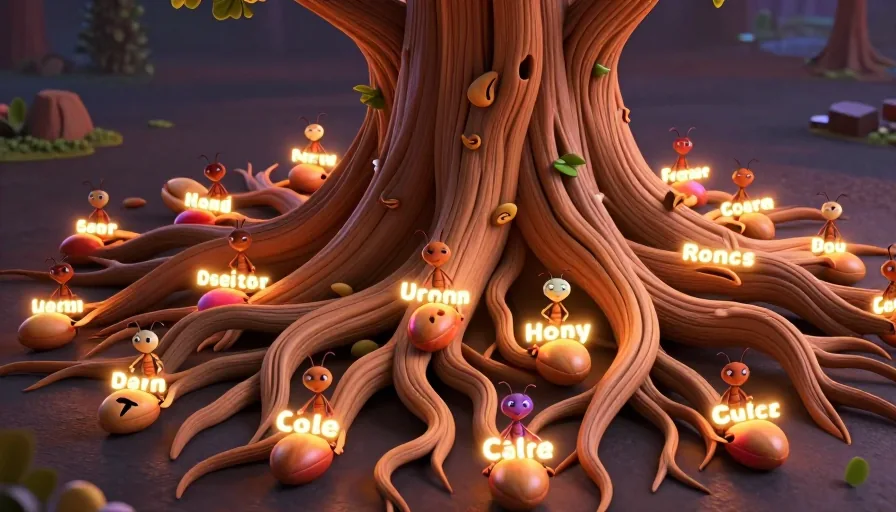
Sharings in language learning refer to the practice of exchanging vocabulary, grammar rules, and other language learning resources among learners. This collaborative approach can significantly enhance the learning experience by providing diverse perspectives and additional practice opportunities. In this guide, we will explore the definition of sharings in language learning, the benefits of sharing resources, practical examples, and tips for effective sharing in language learning communities.
What is Sharing in Language Learning?
Sharings in language learning involve the exchange of educational materials, such as vocabulary lists, grammar notes, and practice exercises, among learners. This collaborative approach fosters a supportive learning environment where learners can benefit from each other's knowledge and experiences. By sharing resources, learners can gain access to a wider range of materials, which can help them improve their language skills more effectively.
Benefits of Sharing Resources
Sharing resources in language learning offers numerous benefits. Firstly, it provides learners with a diverse range of materials, which can help them understand complex concepts more easily. Secondly, sharing encourages collaboration and peer learning, which can make the learning process more engaging and enjoyable. Additionally, sharings can help learners stay motivated and accountable, as they are more likely to engage with the material when they know they will be sharing it with others.
Checklist for Effective Sharing
- Identify Relevant Resources: Choose materials that are relevant to the current learning objectives.
- Organize Materials: Ensure that the shared resources are well-organized and easy to understand.
- Provide Context: Include explanations or examples to help others understand the material better.
- Encourage Feedback: Ask for feedback from peers to improve the quality of shared resources.
- Regularly Update: Keep the shared resources up-to-date with the latest information.
How to Share Effectively
Effective sharing in language learning requires a structured approach. Here are some tips to help you share resources effectively:
1. Choose the Right Platform
Select a platform that is convenient for both you and your peers. This could be a language learning app, a social media group, or a dedicated forum. Ensure that the platform allows for easy sharing and collaboration.
2. Create Engaging Content
Make your shared resources engaging and interactive. Use multimedia elements like videos, images, and quizzes to make the learning experience more enjoyable.
3. Provide Clear Instructions
Include clear instructions on how to use the shared resources. This will help your peers understand the material better and make the most out of the shared resources.
4. Encourage Discussion
Encourage your peers to discuss the shared resources. This will help them gain a deeper understanding of the material and foster a collaborative learning environment.
5. Offer Support
Be available to offer support and answer questions. This will help your peers feel more confident and motivated to engage with the shared resources.

Aprendé Idiomas con YouTube
Mirá videos en tu idioma objetivo, capturá palabras nuevas como flashcards automáticamente, y seguí tu progreso — todo en un solo lugar.
Ver Cómo Funciona →Examples of Successful Sharing in Language Learning
Case Study: Language Exchange Groups
Language exchange groups are a great example of successful sharing in language learning. In these groups, learners pair up with native speakers of the language they are learning and exchange language learning resources. This collaborative approach helps learners improve their language skills more effectively by providing them with authentic practice opportunities.
Interactive Example: Vocabulary Lists
Creating and sharing vocabulary lists is another effective way to enhance language learning. Learners can create lists of new words they have learned and share them with their peers. This not only helps them remember the words better but also provides their peers with additional practice opportunities.
Mini Drill: Grammar Notes
Sharing grammar notes can also be beneficial. Learners can create notes on complex grammar rules and share them with their peers. This will help them understand the rules better and provide additional practice opportunities.
Tips for Creating a Sharing Culture in Language Learning Groups
Creating a sharing culture in language learning groups requires effort and dedication. Here are some tips to help you foster a sharing culture:
1. Lead by Example
Start sharing resources yourself. This will encourage others to do the same and create a culture of sharing.
2. Encourage Collaboration
Encourage your peers to collaborate and share resources. This will help create a supportive learning environment where everyone benefits from each other's knowledge and experiences.
3. Recognize Contributions
Recognize and appreciate the contributions of your peers. This will motivate them to continue sharing resources and foster a positive learning environment.
4. Provide Incentives
Offer incentives for sharing resources. This could be in the form of recognition, rewards, or additional learning opportunities.
5. Create a Safe Space
Create a safe and supportive space where learners feel comfortable sharing their resources. This will encourage more sharing and collaboration.
Conclusion
Sharings in language learning can significantly enhance the learning experience by providing diverse perspectives and additional practice opportunities. By following the tips and examples outlined in this guide, you can effectively share resources and create a supportive learning environment. Start sharing today and watch your language skills improve!
Preguntas frecuentes
What types of resources can I share in language learning?
You can share a variety of resources, including vocabulary lists, grammar notes, practice exercises, videos, and articles. The key is to choose materials that are relevant and beneficial to your peers.
How can I ensure that my shared resources are effective?
To ensure that your shared resources are effective, make sure they are well-organized, include clear instructions, and are engaging. Encourage feedback and regularly update the materials to keep them relevant.
What if I don't have any resources to share?
If you don't have any resources to share, start by creating your own. Begin with simple vocabulary lists or grammar notes and gradually expand to more complex materials. You can also collaborate with peers to create shared resources.
Frases relacionadas
Empezá con Metheus
Mirá videos en tu idioma objetivo, capturá palabras nuevas como flashcards automáticamente, y seguí tu progreso — todo en un solo lugar.
Comenzar →

