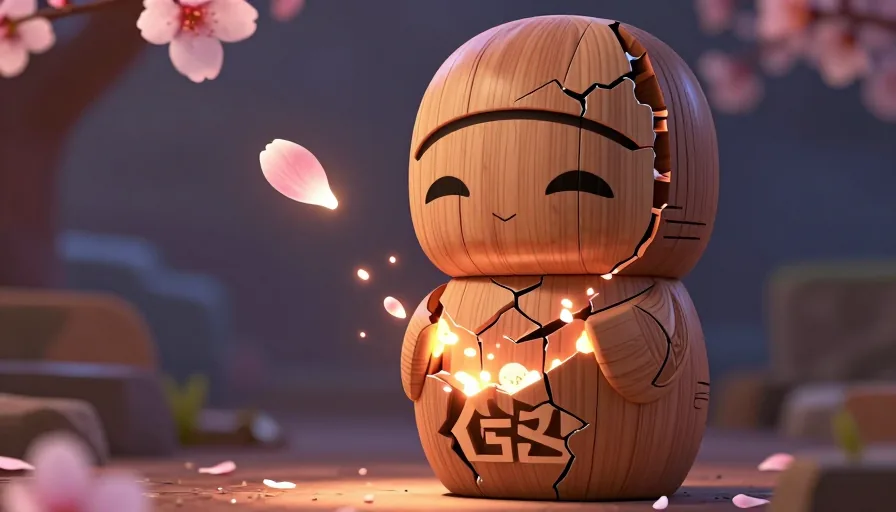
The term imouto (妹) is a fundamental word in the Japanese language, referring to a younger sister. Understanding 'imouto' goes beyond mere vocabulary; it delves into the cultural fabric of Japanese society, where familial relationships hold significant importance. This guide will explore the definition, pronunciation, cultural context, and usage of 'imouto' in various aspects of Japanese life, including anime and manga.
What Does 'Imouto' Mean?
Imouto (妹) literally translates to 'younger sister' in English. The kanji characters break down as follows:
- 妹 (いもうと, imouto): younger sister
- 義 (ぎ, gi): right or justice
- 妹 (いもうと, imouto): younger sister
The pronunciation of 'imouto' is straightforward: it is pronounced as 'ee-moh-toh' with the stress on the first syllable. In Japanese, the term is used to address or refer to a younger sister, and it is a common word in everyday conversations.
Pronunciation Guide
To pronounce 'imouto' correctly, follow these steps:
- Say 'ee' as in 'eeeek' but shorter.
- Say 'moh' as in 'moh-ment' but shorter.
- Say 'toh' as in 'toe' but with a slight 'h' sound at the end.
Practice the pronunciation with the following mini-drill:
- Repeat 'ee-moh-toh' slowly and clearly.
- Try saying 'ee-moh-toh' in a sentence: 'Watashi no imouto wa gakusei desu.' (My younger sister is a student.)
Cultural Significance of 'Imouto' in Japan
In Japanese culture, the concept of 'imouto' extends beyond a simple familial relationship. It embodies a sense of protection, affection, and sometimes rivalry. The dynamic between siblings, particularly between an older brother (ani) and a younger sister (imouto), is a recurring theme in Japanese media and literature.
Sibling Dynamics in Japanese Culture
The relationship between an older brother and a younger sister is often portrayed as one of mutual respect and care. The older brother is expected to protect and guide the younger sister, while the younger sister is seen as a source of joy and innocence. This dynamic is deeply rooted in traditional Japanese values, which emphasize family harmony and filial piety.
Real-Life Usage Examples
- Family Conversations: In a typical Japanese family, you might hear phrases like 'Imouto wa daijoubu?' (Is your younger sister okay?) or 'Imouto to isshoni asobimasu ka?' (Will you play with your younger sister?)
- School Settings: Teachers might ask students about their siblings, using phrases like 'Anata no imouto wa nannensei desu ka?' (What grade is your younger sister in?)
- Everyday Interactions: Friends might inquire about your siblings, saying 'Imouto wa sundeimasu ka?' (Do you have a younger sister?)
Interactive Quiz
Test your understanding with this quick quiz:
- What does 'imouto' mean in English? a) Older sister b) Younger sister c) Brother d) Cousin
- How do you pronounce 'imouto'? a) ee-moh-toh b) ee-moh-to c) ee-moh-tah d) ee-moh-toe

Aprendé Idiomas con YouTube
Mirá videos en tu idioma objetivo, capturá palabras nuevas como flashcards automáticamente, y seguí tu progreso — todo en un solo lugar.
Ver Cómo Funciona →Usage in Anime and Manga
The term 'imouto' is ubiquitous in anime and manga, often used to depict the unique bond between siblings. This portrayal can range from heartwarming to dramatic, depending on the context.
Examples of 'Imouto' in Anime and Manga
- K-On!: In this popular anime series, Azusa Nakano is often referred to as 'imouto' by her older sister, Uta Nakano. Their interactions highlight the playful and supportive nature of their relationship.
- Steins;Gate: In this science fiction anime, the protagonist, Okabe Rintaro, has a younger sister named Okabe Mayuri, who is affectionately called 'imouto' by him and other characters.
- My Little Sister Can't Be This Cute: This anime series revolves around the relationship between an older brother and his younger sister, with the term 'imouto' frequently used to emphasize their bond.
Cultural Analysis
The portrayal of 'imouto' in anime and manga often reflects societal norms and values. For example, the protective and caring nature of older siblings is a common theme, reflecting the importance of family in Japanese culture. Additionally, the dynamic between siblings can also serve as a metaphor for other relationships, such as friendship or romantic partnerships.
Common Phrases and Expressions Involving 'Imouto'
The term 'imouto' is often used in various phrases and expressions in Japanese. Understanding these can help you grasp the nuances of the language and culture.
Practical Phrases
- Imouto wa daijoubu? (Is your younger sister okay?)
- Used to inquire about the well-being of someone's younger sister.
- Imouto to isshoni asobimasu ka? (Will you play with your younger sister?)
- Used to suggest or ask about playing with a younger sister.
- Anata no imouto wa nannensei desu ka? (What grade is your younger sister in?)
- Used to ask about the grade level of someone's younger sister.
- Imouto wa sundeimasu ka? (Do you have a younger sister?)
- Used to inquire about the presence of a younger sister in a family.
- Imouto to issho ni ikimasu. (I will go with my younger sister.)
- Used to express going somewhere with a younger sister.
Checklist for Using 'Imouto'
To effectively use 'imouto' in your Japanese conversations, follow this checklist:
- Pronunciation: Ensure you pronounce 'imouto' correctly as 'ee-moh-toh'.
- Context: Understand the cultural context and appropriate situations to use 'imouto'.
- Phrases: Learn common phrases and expressions involving 'imouto'.
- Practice: Engage in conversations and practice using 'imouto' in different scenarios.
- Feedback: Seek feedback from native speakers to improve your usage.
Conclusion
Understanding the term 'imouto' in Japanese goes beyond learning a simple word; it involves delving into the cultural significance and nuances of familial relationships in Japanese society. By exploring its usage in anime, manga, and everyday life, you can gain a deeper appreciation for the language and culture. Practice the pronunciation, engage in conversations, and use the provided checklist to master the term 'imouto'.
Final Thoughts
Learning a new language is a journey filled with discoveries and insights. The term 'imouto' is just one of many words that can open doors to understanding Japanese culture. Embrace the learning process, and enjoy the rich tapestry of language and culture that Japan has to offer.
Preguntas frecuentes
Is 'imouto' only used for biological sisters?
No, 'imouto' can also refer to younger stepsisters, adopted sisters, or even close friends who are treated like sisters. The term is flexible and can be used in various familial and social contexts.
How do I address my younger sister in a formal setting?
In a formal setting, you can use 'imouto' followed by the honorific 'san' or 'sama' to show respect. For example, 'Imouto-san' or 'Imouto-sama'. However, in most casual settings, simply using 'imouto' is appropriate.
Frases relacionadas
Empezá con Metheus
Mirá videos en tu idioma objetivo, capturá palabras nuevas como flashcards automáticamente, y seguí tu progreso — todo en un solo lugar.
Comenzar →

