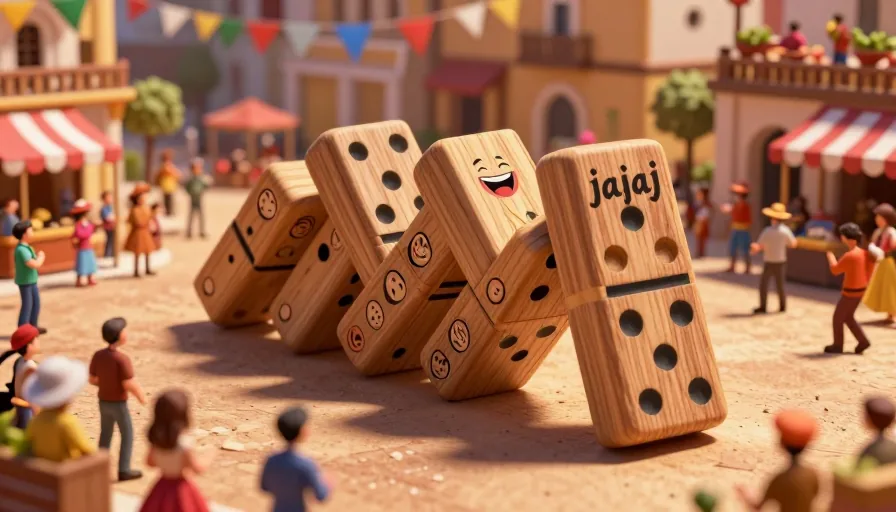
What Does 'Jajaj' Mean?
The term jajaj is a Spanish interjection used to express laughter or amusement. It is a phonetic representation of the sound of laughter and is often used in written communication to convey a sense of humor or to indicate that something is funny. Unlike English laughter representations like 'hahaha' or 'lol', jajaj is specific to Spanish and carries a unique cultural nuance.
Cultural Context and Usage
In Spanish-speaking cultures, jajaj is commonly used in both written and spoken language. It can be found in text messages, social media posts, and even in formal written communication to lighten the mood. The use of jajaj can vary depending on the region and the context. For example, in Mexico, it might be more common to see 'jajaja' with four 'a's, while in Spain, 'jajaj' with three 'a's is more prevalent.
Cultural Insights into Spanish Humor
Spanish humor is often characterized by its wit and irony. Jajaj is a reflection of this humor, often used to punctuate a joke or to express amusement at a situation. Understanding when and how to use jajaj can help you connect more authentically with Spanish speakers.
Examples in Sentences
Here are some practical examples of how jajaj can be used in sentences:
-
Amigo, me dijiste que ibas a la fiesta disfrazado de payaso. ¡Jajaj!
- Friend, you told me you were going to the party dressed as a clown. Jajaj!
-
¿Viste el video de gatos? ¡Jajaj, es demasiado gracioso!
- Did you see the cat video? Jajaj, it's too funny!
-
No puedo creer que te caíste en la piscina. ¡Jajaj!
- I can't believe you fell into the pool. Jajaj!
Interactive Examples with Audio
To truly master the use of jajaj, it's important to listen to how it sounds in context. Here are some audio examples:
-
Audio Example 1: Listen to the audio
- Transcription: ¡Jajaj, eso es demasiado gracioso!
- Translation: Jajaj, that's too funny!
-
Audio Example 2: Listen to the audio
- Transcription: ¿Viste el meme? ¡Jajaj!
- Translation: Did you see the meme? Jajaj!

Aprendé Idiomas con YouTube
Mirá videos en tu idioma objetivo, capturá palabras nuevas como flashcards automáticamente, y seguí tu progreso — todo en un solo lugar.
Ver Cómo Funciona →Audio Pronunciations
Pronunciation is key to using jajaj effectively. Here are some tips:
- Phonetic Spelling: /ha-ha-ha/
- Stress: The stress is on the first syllable.
- Tone: It should sound light and playful.
Mini Drill: Pronounce Jajaj
- Listen to the audio examples provided.
- Repeat the pronunciation out loud.
- Practice using jajaj in different sentences.
Comparison with Other Interjections
Jajaj vs. Jajaja
While both jajaj and jajaja are used to express laughter, jajaja is more common in Mexico and some Latin American countries. Jajaj is more prevalent in Spain and some other regions. The difference is subtle but can affect how native speakers perceive your message.
Jajaj vs. Jajajaja
Jajajaja with five 'a's is less common and can sometimes be used to emphasize extreme amusement or laughter. It's important to use it sparingly to avoid sounding exaggerated.
Jajaj vs. Jajajajaja
Jajajajaja with six 'a's is even rarer and can come across as forced or insincere. It's best to stick with jajaj or jajaja for most situations.
Checklist for Using Jajaj
- Understand the Context: Ensure that the situation calls for laughter or amusement.
- Choose the Right Variation: Use jajaj for a more universal appeal or jajaja for a Mexican or Latin American context.
- Practice Pronunciation: Listen to native speakers and practice the pronunciation.
- Use Sparingly: Overuse can dilute the impact of jajaj.
Common Mistakes to Avoid
- Overuse: Using jajaj too frequently can make your messages seem insincere.
- Incorrect Variation: Using jajaja in a context where jajaj is more appropriate can confuse native speakers.
- Incorrect Pronunciation: Mispronouncing jajaj can make you sound unnatural.
Mini Drill: Avoid Common Mistakes
- Write a short message using jajaj correctly.
- Ask a native speaker to review it.
- Make adjustments based on their feedback.
By following these guidelines and practicing regularly, you can master the use of jajaj and enhance your Spanish communication skills.
Preguntas frecuentes
Is 'jajaj' used differently in Spain and Latin America?
Yes, 'jajaj' is more common in Spain, while 'jajaja' is more prevalent in Mexico and some Latin American countries. The usage can vary slightly based on regional preferences.
Can 'jajaj' be overused?
Yes, overusing 'jajaj' can make your messages seem insincere or forced. It's best to use it sparingly and in appropriate contexts.
How do I pronounce 'jajaj' correctly?
The pronunciation of 'jajaj' is /ha-ha-ha/. The stress is on the first syllable, and it should sound light and playful. Listening to native speakers and practicing the pronunciation can help you get it right.
Frases relacionadas
Empezá con Metheus
Mirá videos en tu idioma objetivo, capturá palabras nuevas como flashcards automáticamente, y seguí tu progreso — todo en un solo lugar.
Comenzar →

