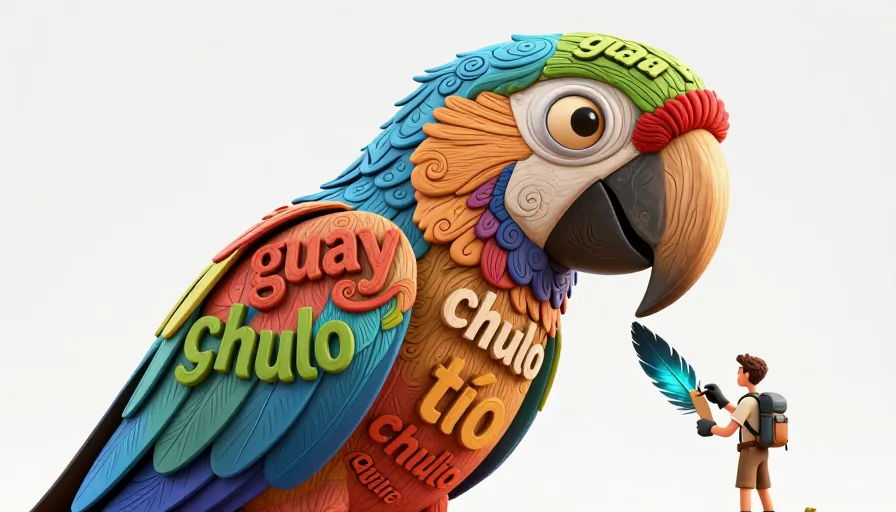
Understanding jerga significado is crucial for anyone looking to master the Spanish language. Jerga, or slang, is an informal language used by specific groups, often within certain professions or social circles. It can significantly enrich your language learning experience by providing a deeper understanding of cultural nuances and everyday conversations. This guide will explore the definition of jerga, provide examples in different contexts, and offer tips for using and understanding it effectively.
What is 'Jerga' in Spanish?
Jerga, in Spanish, refers to the informal language or slang used by specific groups. It is often characterized by its non-standard vocabulary and phrases that are not typically found in formal settings. For example, the term 'jerga' itself can refer to the specialized language used by criminals or any group that uses a unique set of terms to communicate among themselves. Understanding jerga can help you navigate social situations more effectively and connect with native speakers on a deeper level.
Examples of 'Jerga' in Different Contexts
Everyday Conversations
In everyday conversations, jerga can be found in various forms. For instance, the term 'chido' is commonly used in Mexico to describe something as cool or awesome. Another example is 'vato,' which is a slang term for 'dude' or 'guy.' These terms are not part of formal Spanish but are widely used in casual settings.
Professional Settings
In professional settings, jerga can refer to the specialized language used within a particular field. For example, in the medical field, terms like 'paciente' (patient) might be shortened to 'paci' in informal conversations among healthcare professionals. Similarly, in the tech industry, terms like 'bug' (error) and 'hack' (quick solution) are commonly used.
Youth Culture
Youth culture is another rich source of jerga. Terms like 'guay' (cool) in Spain or 'chevere' (awesome) in Latin America are examples of how slang can evolve and vary across different regions. These terms are often used to express enthusiasm or approval and can be a great way to connect with younger generations.
Interactive Quiz: Test Your Knowledge of Jerga
-
What does 'chido' mean in Mexican slang? a) Bad b) Cool c) Ugly d) Expensive
-
What is a common slang term for 'dude' or 'guy' in Mexico? a) Amigo b) Vato c) Señor d) Chico
-
In the medical field, what might 'paci' refer to? a) Doctor b) Nurse c) Patient d) Hospital
-
What does 'guay' mean in Spanish youth culture? a) Sad b) Cool c) Angry d) Tired
-
What is a common slang term for 'awesome' in Latin America? a) Malo b) Chevere c) Feo d) Barato
How 'Jerga' Can Enhance Your Language Learning
Incorporating jerga into your language learning can make your conversations more authentic and engaging. It can help you understand the cultural context better and make you sound more fluent. Here are some ways jerga can enhance your language learning:
Cultural Immersion
Using jerga allows you to immerse yourself in the local culture more deeply. For example, if you're traveling to Spain, knowing terms like 'guay' can help you connect with locals and understand their conversations better.
Fluency and Confidence
Incorporating jerga into your vocabulary can boost your confidence and fluency. It shows that you are not just learning the language but also understanding its nuances and cultural significance.
Practical Examples
Here are some practical examples of how jerga can be used in everyday conversations:
- Greetings: Instead of saying 'Hola, ¿cómo estás?', you might say '¿Qué onda?' (What's up?) in Mexico.
- Expressing Opinions: Instead of saying 'Me gusta mucho', you might say 'Me encanta' (I love it) or 'Está chido' (It's cool) in Mexico.
- Asking Questions: Instead of saying '¿Dónde está el baño?', you might say '¿Dónde queda el baño?' (Where is the bathroom?) in Latin America.

Aprendé Idiomas con YouTube
Mirá videos en tu idioma objetivo, capturá palabras nuevas como flashcards automáticamente, y seguí tu progreso — todo en un solo lugar.
Ver Cómo Funciona →Tips for Understanding and Using 'Jerga' in Spanish
Listen to Native Speakers
One of the best ways to learn jerga is by listening to native speakers. Watch movies, TV shows, and listen to music in Spanish. Pay attention to how they use slang and try to incorporate it into your own conversations.
Practice with Language Exchange Partners
Find a language exchange partner who is a native Spanish speaker. Practice using jerga in your conversations and ask for feedback. This will help you understand the context and usage better.
Use Language Learning Apps
Apps like Metheus can help you learn jerga through interactive lessons and quizzes. These apps often include real-life scenarios and practical examples to help you understand and use jerga effectively.
Checklist for Learning Jerga
- Identify Common Terms: Make a list of common jerga terms used in different contexts.
- Practice Regularly: Incorporate these terms into your daily conversations.
- Seek Feedback: Ask native speakers for feedback on your usage.
- Expand Your Vocabulary: Continuously learn new terms and phrases.
Mini Drill: Practice Using Jerga
- Greetings: Practice saying '¿Qué onda?' instead of 'Hola, ¿cómo estás?'.
- Expressing Opinions: Practice saying 'Me encanta' or 'Está chido' instead of 'Me gusta mucho'.
- Asking Questions: Practice saying '¿Dónde queda el baño?' instead of '¿Dónde está el baño?'.
Common Mistakes to Avoid
Overusing Jerga
While jerga can make your conversations more authentic, overusing it can make you sound unprofessional or inappropriate. Use jerga sparingly and in the right context.
Misusing Terms
Make sure you understand the meaning and context of the jerga terms you use. Misusing terms can lead to misunderstandings and embarrassment.
Not Adapting to Different Regions
Jerga can vary significantly across different regions. What is commonly used in Mexico might not be understood in Spain. Adapt your usage based on the region you are in.
Conclusion
Understanding and using jerga significado can greatly enhance your language learning experience. It allows you to connect with native speakers on a deeper level, understand cultural nuances, and sound more fluent. By incorporating jerga into your vocabulary and practicing regularly, you can become a more confident and effective Spanish speaker.
Preguntas frecuentes
Is it necessary to learn jerga to speak Spanish fluently?
While learning jerga can enhance your fluency and cultural understanding, it is not strictly necessary for basic communication. However, it can make your conversations more authentic and engaging.
Can jerga be used in formal settings?
Jerga is generally not appropriate for formal settings. It is best used in casual conversations and among friends or colleagues in informal settings.
How can I learn jerga if I don't have access to native speakers?
You can learn jerga through various resources such as movies, TV shows, music, and language learning apps. These resources often include real-life scenarios and practical examples to help you understand and use jerga effectively.
Frases relacionadas
Empezá con Metheus
Mirá videos en tu idioma objetivo, capturá palabras nuevas como flashcards automáticamente, y seguí tu progreso — todo en un solo lugar.
Comenzar →

