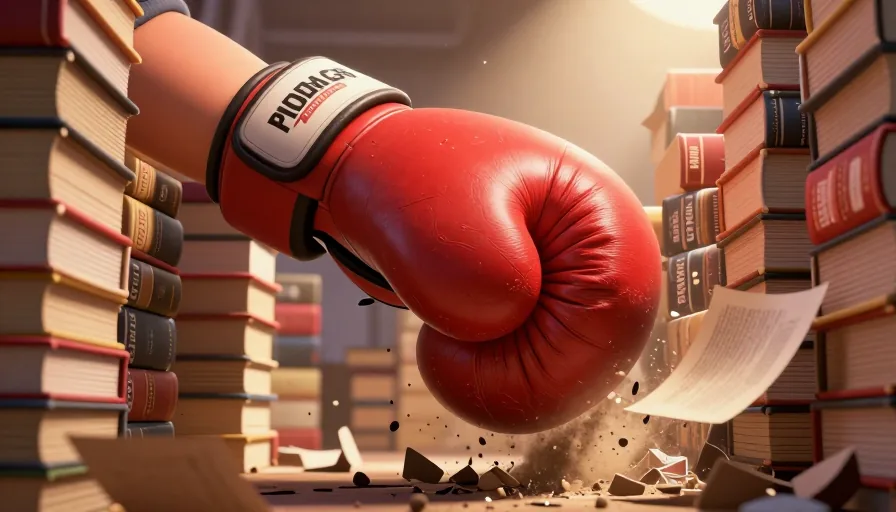
The phrase 'vaya que paliza' is a common idiomatic expression in Spanish that translates to 'what a beating' or 'what a thrashing.' It is often used to describe a significant defeat or a harsh punishment. Understanding this phrase can help you grasp the nuances of Spanish conversations and improve your language skills.
What Does 'Vaya Que Paliza' Mean?
'Vaya que paliza' is an idiomatic expression that conveys a strong sense of defeat or punishment. It is often used in contexts where someone has been severely beaten or defeated, either literally or metaphorically. For example, if a sports team loses a game by a large margin, fans might say, 'Vaya que paliza les dieron' (They really got beaten).
Pronunciation Guide for 'Vaya Que Paliza'
To pronounce 'vaya que paliza' correctly, follow these steps:
- Vaya: Pronounced as /ˈbaʝa/.
- Que: Pronounced as /ke/.
- Paliza: Pronounced as /paˈliθa/.
Here is a breakdown:
- Vaya: Start with a soft 'v' sound, similar to the English 'b' in 'bat,' followed by a 'a' sound and a soft 'y' sound.
- Que: Pronounce it like the English word 'keh.'
- Paliza: Start with a 'p' sound, followed by a soft 'a' sound, then an 'l' sound, and finally a 'i' sound with a soft 'th' sound at the end.
Interactive Pronunciation Tool
Use the following tool to practice the pronunciation:
[Insert Interactive Pronunciation Tool Here]

Aprendé Idiomas con YouTube
Mirá videos en tu idioma objetivo, capturá palabras nuevas como flashcards automáticamente, y seguí tu progreso — todo en un solo lugar.
Ver Cómo Funciona →Examples of 'Vaya Que Paliza' in Sentences
- Sports Context: 'El equipo local recibió una vaya que paliza en el partido de ayer.' (The local team received a thrashing in yesterday's match.)
- Academic Context: 'Estudié toda la noche, pero aún así recibí una vaya que paliza en el examen.' (I studied all night, but I still got a beating on the exam.)
- Everyday Life: 'Mi hermano recibió una vaya que paliza en la pelea.' (My brother got a severe beating in the fight.)
Mini Drill: Fill in the Blanks
Complete the following sentences with 'vaya que paliza':
-
El equipo de fútbol recibió una
-
Mi amigo recibió una
-
El estudiante recibió una
Cultural Context and Idiomatic Expressions
'Vaya que paliza' is deeply rooted in Spanish culture and is often used in informal settings. It reflects the expressive nature of the Spanish language, where idioms and colloquial expressions are common. Understanding this phrase can help you connect with native speakers on a deeper level.
Cultural Insights
In Spanish-speaking countries, the use of idiomatic expressions is a way to show familiarity and closeness. Using 'vaya que paliza' correctly can make your conversations more natural and engaging. For example, if you are watching a soccer match with friends and the home team loses badly, saying 'Vaya que paliza les dieron' will resonate with your friends and show that you understand the cultural nuances.
Examples from Real-Life Conversations
- Friendship: '¿Viste el partido de anoche? Vaya que paliza le dieron al equipo local.' (Did you see the game last night? They really thrashed the local team.)
- Family: 'Mi hijo recibió una vaya que paliza en la escuela por pelear.' (My son got a severe beating at school for fighting.)
- Work: 'El proyecto recibió una vaya que paliza en la reunión de hoy.' (The project got a severe beating in today's meeting.)
Checklist for Using 'Vaya Que Paliza'
- Understand the context: Use 'vaya que paliza' in situations where a significant defeat or punishment is involved.
- Pronounce correctly: Practice the pronunciation to ensure clarity.
- Use in informal settings: This phrase is best used in casual conversations with friends and family.
- Be aware of cultural nuances: Understand that this phrase is part of the expressive nature of the Spanish language.
Common Mistakes to Avoid
- Overuse: Avoid using 'vaya que paliza' too frequently, as it can lose its impact.
- Incorrect Context: Do not use it in formal or professional settings where a more neutral expression would be appropriate.
- Mispronunciation: Ensure you pronounce each word correctly to avoid misunderstandings.
Conclusion
Understanding and using 'vaya que paliza' can enrich your Spanish language skills and help you connect with native speakers. By following the pronunciation guide, practicing with examples, and being aware of the cultural context, you can incorporate this idiomatic expression naturally into your conversations.
Preguntas frecuentes
Is 'vaya que paliza' appropriate for formal settings?
No, 'vaya que paliza' is an informal expression and should be used in casual conversations with friends and family. In formal settings, it is better to use more neutral language.
Can 'vaya que paliza' be used in different Spanish-speaking countries?
Yes, 'vaya que paliza' is understood in many Spanish-speaking countries, but the frequency of use may vary. It is always a good idea to be aware of regional differences and adapt your language accordingly.
How can I practice the pronunciation of 'vaya que paliza'?
You can practice the pronunciation by breaking down the phrase into its components and using an interactive pronunciation tool. Additionally, listening to native speakers and mimicking their pronunciation can be very helpful.
Frases relacionadas
Empezá con Metheus
Mirá videos en tu idioma objetivo, capturá palabras nuevas como flashcards automáticamente, y seguí tu progreso — todo en un solo lugar.
Comenzar →

