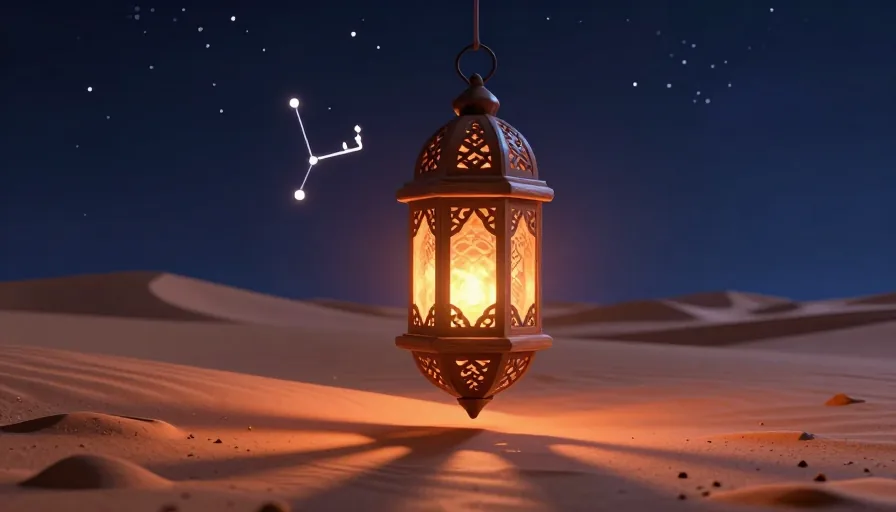
Mastering Good Evening Arabic: A Comprehensive Guide to Greetings
Learning how to say good evening Arabic is a fundamental step in mastering the Arabic language. This guide will walk you through the most common ways to say 'Good Evening' in Arabic, provide a pronunciation guide, and offer insights into cultural etiquette and contextual usage.
The Essential Arabic Greeting: Masa' al-Khayr
The most common way to say 'Good Evening' in Arabic is Masa' al-khayr (مساء الخير). This phrase literally translates to 'evening of goodness' and is used to wish someone a pleasant evening. It's a versatile greeting that can be used in both formal and informal settings.
Pronunciation Guide
- Masa': Pronounced as 'mah-sah' with a slight emphasis on the first syllable.
- al-khayr: Pronounced as 'al-kh-air' with a soft 'kh' sound, similar to the Scottish 'loch'.
Mini Drill
Listen to the audio pronunciation and repeat the phrase aloud to practice your pronunciation.
Understanding the Nuances: When to Use 'Good Evening'
Knowing when to use good evening Arabic is crucial for effective communication. Here are some guidelines:
- Time of Day: Use 'Masa' al-khayr' from late afternoon to early evening, typically from around 6 PM to 10 PM.
- Context: It can be used in both formal and informal settings, but it's more common in informal contexts.
- Cultural Nuance: In some Arabic-speaking countries, greetings are more than just a formality; they are a way to build rapport and show respect.
Checklist for Contextual Usage
- Understand the time of day.
- Consider the formality of the setting.
- Be aware of cultural nuances.
Pronunciation Deep Dive: Mastering the Arabic Sounds
Pronunciation is key to effective communication. Here are some tips to master the sounds in good evening Arabic:
- Vowel Sounds: Arabic has a rich set of vowel sounds. Practice the short 'a' sound in 'Masa' and the long 'a' sound in 'al-khayr'.
- Consonant Sounds: The 'kh' sound in 'al-khayr' can be challenging. Practice it by saying 'loch' in Scottish accent.
- Emphasis: Pay attention to the emphasis on the first syllable in 'Masa'.
Interactive Pronunciation Practice
Listen to the video pronunciation and mimic the speaker's mouth movements to improve your pronunciation.

Learn Languages with YouTube
Watch videos in your target language, auto-capture words into flashcards, and track your progress — all in one place.
See How It Works →Beyond Greetings: Essential Arabic Conversation Starters
Once you've mastered good evening Arabic, you can expand your vocabulary with related phrases:
- Response to Masa' al-khayr: You can respond with 'Masa' al-nur' (مساء النور), which means 'evening of light'.
- Formal Greeting: For more formal settings, you can use 'Masa' al-khayr wa al-salam' (مساء الخير و السلام), which means 'Good evening and peace'.
- Informal Greeting: In informal settings, you can use 'Masa' al-khayr ya' (مساء الخير يا), which is a more casual way to say 'Good evening'.
Comparison of Formal vs. Informal Greetings
- Formal: 'Masa' al-khayr wa al-salam' is more respectful and appropriate for formal settings.
- Informal: 'Masa' al-khayr ya' is more casual and suitable for friends and family.
Cultural Etiquette Surrounding Greetings
Greetings in Arabic culture are more than just words; they are a way to show respect and build relationships. Here are some tips:
- Eye Contact: Maintain eye contact when greeting someone to show sincerity.
- Handshake: A firm handshake is a common greeting in many Arabic-speaking countries, especially among men.
- Respect for Elders: Always greet elders first and show them respect.
Cultural Etiquette Checklist
- Maintain eye contact.
- Offer a firm handshake.
- Greet elders first.
Common Mistakes to Avoid
- Incorrect Pronunciation: Avoid mispronouncing 'Masa' al-khayr' by practicing the sounds.
- Incorrect Context: Avoid using 'Masa' al-khayr' at the wrong time of day.
- Cultural Insensitivity: Avoid being disrespectful by not following cultural etiquette.
Mini Drill for Common Mistakes
Practice the correct pronunciation and context usage to avoid common mistakes.
Conclusion
Mastering good evening Arabic is a great way to start your journey in learning the Arabic language. By understanding the pronunciation, context, and cultural nuances, you can communicate effectively and build meaningful relationships. Practice regularly and expand your vocabulary with related phrases to enhance your language skills.
FAQ
What is the best way to pronounce 'Masa' al-khayr'?
The best way to pronounce 'Masa' al-khayr' is to focus on the vowel and consonant sounds. Practice the short 'a' sound in 'Masa' and the long 'a' sound in 'al-khayr'. The 'kh' sound in 'al-khayr' can be challenging, so practice it by saying 'loch' in a Scottish accent. Pay attention to the emphasis on the first syllable in 'Masa'.
When should I use 'Masa' al-khayr'?
You should use 'Masa' al-khayr' from late afternoon to early evening, typically from around 6 PM to 10 PM. It can be used in both formal and informal settings, but it's more common in informal contexts. In some Arabic-speaking countries, greetings are more than just a formality; they are a way to build rapport and show respect.
What are some related phrases to 'Masa' al-khayr'?
Some related phrases to 'Masa' al-khayr' include 'Masa' al-nur' (مساء النور), which means 'evening of light' and is a response to 'Masa' al-khayr'. For more formal settings, you can use 'Masa' al-khayr wa al-salam' (مساء الخير و السلام), which means 'Good evening and peace'. In informal settings, you can use 'Masa' al-khayr ya' (مساء الخير يا), which is a more casual way to say 'Good evening'.
Related phrases
Start with Metheus
Watch videos in your target language, auto-capture words into flashcards, and track your progress — all in one place.
Get Started →

