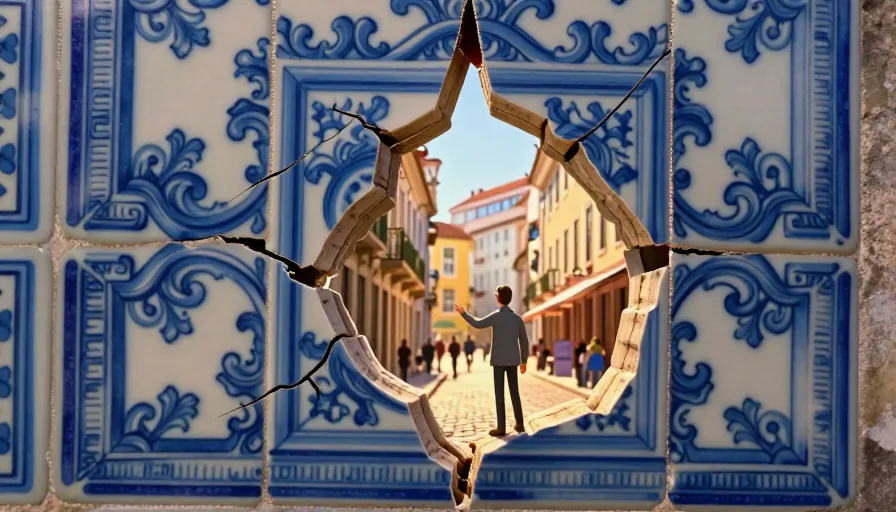
Nice to Meet You Portuguese: Mastering Formal and Informal Greetings
When learning a new language, mastering the art of introductions is crucial. Knowing how to say nice to meet you Portuguese can set the tone for any conversation. This guide will cover different ways to say 'nice to meet you' in Portuguese, cultural variations, and how to keep the conversation flowing.
Choosing the Right Greeting: Formal vs. Informal 'Nice to Meet You'
In Portuguese, the way you greet someone can vary greatly depending on the context and the level of formality required. Here are some common phrases:
Formal Greetings
-
Prazer em conhecê-lo/a (Prah-zair em kon-heh-say-loh/ah)
- This is the most formal way to say 'nice to meet you' in Portuguese. Use this when meeting someone for the first time in a professional or formal setting.
-
É um prazer conhecê-lo/a (E oom prah-zair kon-heh-say-loh/ah)
- Similar to the first phrase, this is also very formal and appropriate for professional settings.
Informal Greetings
-
Prazer em conhecer-te (Prah-zair em kon-heh-sehr-teh)
- This is a more casual way to say 'nice to meet you' and is suitable for informal settings or when meeting someone your own age.
-
É um prazer conhecer-te (E oom prah-zair kon-heh-sehr-teh)
- This is another informal option, often used among friends or in casual settings.
Mini Drill: Practice the Greetings
Try saying these phrases out loud to get a feel for the pronunciation. Practice with a friend or in front of a mirror to build confidence.
Beyond the Words: Cultural Nuances and Regional Variations
Portuguese is spoken in several countries, and there are regional variations in how people greet each other. Understanding these nuances can help you navigate different cultural contexts.
In Portugal
In Portugal, people often use the formal greetings more frequently, even in casual settings. It's common to use Prazer em conhecê-lo/a or É um prazer conhecê-lo/a when meeting someone new.
In Brazil
In Brazil, the language is more informal, and people tend to use Prazer em conhecer-te or É um prazer conhecer-te more often. However, in professional settings, the formal greetings are still used.
Outside Portugal and Brazil
In countries like Angola, Mozambique, and Cape Verde, the greetings can vary. For example, in Angola, you might hear Prazer em conhecer-te even in formal settings. It's always a good idea to observe how locals greet each other and follow their lead.
Checklist for Cultural Awareness
- Observe local customs and greetings.
- Use formal greetings in professional settings.
- Be aware of regional variations and adapt accordingly.
- Practice common phrases to build confidence.

Learn Languages with YouTube
Watch videos in your target language, auto-capture words into flashcards, and track your progress — all in one place.
See How It Works →Mastering the Conversation: Keeping the Dialogue Flowing After the Introduction
After the initial greeting, keeping the conversation flowing is essential. Here are some tips and phrases to help you maintain a natural dialogue.
Follow-Up Questions
-
De onde você é? (Deh ohn-deh voh-seh)
- Where are you from?
-
O que você faz? (Oo keh voh-seh faz)
- What do you do?
-
Gosta de Portugal? (Goh-stah deh poor-too-gahl)
- Do you like Portugal?
Gestures and Body Language
Non-verbal cues play a significant role in communication. In Portuguese-speaking countries, people often use gestures to emphasize their points. Here are some common gestures:
-
Handshakes: Firm and prolonged handshakes are common in formal settings.
-
Hugs and Kisses: In informal settings, especially in Brazil, people often greet each other with hugs and kisses on the cheek.
-
Eye Contact: Maintaining eye contact shows respect and engagement.
Example Conversation
You: Prazer em conhecê-lo/a. Them: Prazer em conhecê-lo/a. You: De onde você é? Them: Eu sou de São Paulo. You: Gosta de Portugal? Them: Sim, adoro! É muito bonito.
Common Pitfalls: Mistakes to Avoid When Meeting Someone New
Making a good first impression is crucial. Here are some common mistakes to avoid:
Overusing Formal Greetings
Using overly formal greetings in casual settings can make you seem stiff or unapproachable. Be mindful of the context and adapt your language accordingly.
Ignoring Cultural Nuances
Not paying attention to regional variations can lead to misunderstandings. Always observe local customs and adapt your greetings and behavior.
Not Following Up
After the initial greeting, failing to keep the conversation flowing can make the interaction feel awkward. Use follow-up questions and gestures to maintain a natural dialogue.
Checklist for Successful Introductions
- Choose the appropriate greeting based on the context.
- Observe local customs and adapt your behavior.
- Use follow-up questions to keep the conversation flowing.
- Pay attention to non-verbal cues and gestures.
Conclusion
Mastering the art of introductions in Portuguese involves understanding the nuances of formal and informal greetings, cultural variations, and the flow of conversation. By following the tips and examples in this guide, you'll be well on your way to making a great first impression in any Portuguese-speaking context.
FAQ
What is the most formal way to say 'nice to meet you' in Portuguese?
The most formal way to say 'nice to meet you' in Portuguese is **Prazer em conhecê-lo/a**. This phrase is appropriate for professional or formal settings.
Can I use informal greetings in professional settings?
It's generally best to use formal greetings in professional settings. However, in some countries like Brazil, informal greetings might be more common even in professional contexts. Always observe local customs and adapt accordingly.
How do I keep the conversation flowing after the initial greeting?
Use follow-up questions like 'De onde você é?' (Where are you from?) or 'O que você faz?' (What do you do?) to keep the conversation flowing. Also, pay attention to non-verbal cues and gestures to show engagement and respect.
Related phrases
Start with Metheus
Watch videos in your target language, auto-capture words into flashcards, and track your progress — all in one place.
Get Started →

