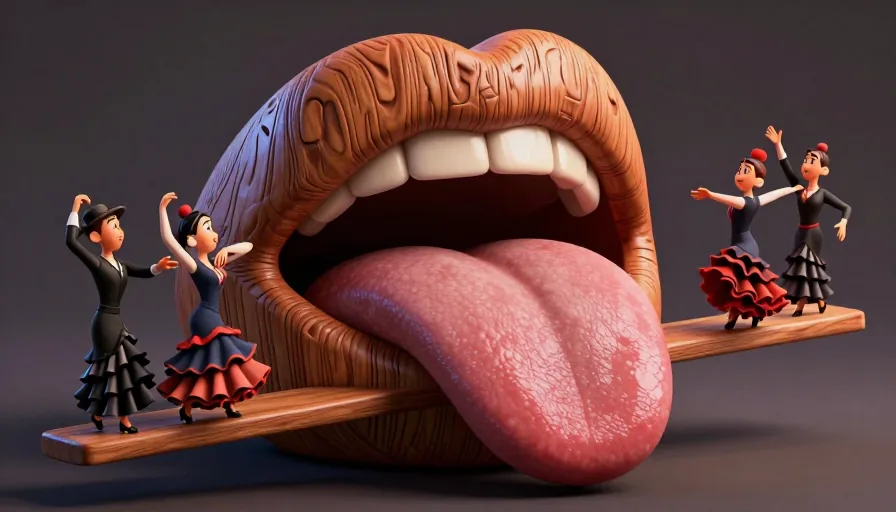
Mastering spanish words that roll r can be a challenging but rewarding experience for English speakers. The rolled 'RR' sound, known as the trilled R, is a distinctive feature of the Spanish language that can significantly enhance your pronunciation and fluency. This guide will provide you with a detailed explanation of the 'RR' sound, a curated list of common Spanish words featuring this sound, and practical tips to help you produce it accurately.
Understanding the Spanish 'RR' Sound: What is it?
The Spanish 'RR' sound, also known as the alveolar trill, is produced by vibrating the tip of the tongue against the alveolar ridge, which is the gum line behind your upper teeth. This sound is distinct from the single 'R' sound in Spanish, which is more similar to the English 'R' sound. The 'RR' sound is pronounced as a continuous trill, similar to the sound of a motor or a purring cat.
How to Physically Produce the Rolled 'RR' Sound
Producing the 'RR' sound can be challenging for English speakers, but with practice, it can be mastered. Here are some steps to help you produce the sound:
- Position Your Tongue: Place the tip of your tongue against the alveolar ridge, just behind your upper teeth.
- Push Air: Push air out from your lungs while keeping your tongue in position.
- Vibrate: Allow the air to cause your tongue to vibrate against the alveolar ridge. This vibration creates the trilled 'RR' sound.
- Practice: Start by trying to produce a single trill, then gradually increase the duration of the trill.
Common Mistakes to Avoid
- Tensing Your Tongue: Avoid tensing your tongue too much, as this can make it difficult to produce the trill.
- Pushing Too Hard: Be gentle with the air pressure; pushing too hard can cause discomfort and make it harder to produce the sound.
- Giving Up Too Soon: Mastering the 'RR' sound takes practice. Don't be discouraged if you don't get it right away.
Essential Spanish Vocabulary Featuring the 'RR' Sound
Here is a curated list of common Spanish words that feature the 'RR' sound. Practicing these words will help you become more comfortable with the sound and improve your pronunciation.
Nouns
- Perro (dog)
- Carrera (race or career)
- Parrilla (grill)
- Parranda (party)
- Carrera (career)
Verbs
- Correr (to run)
- Comer (to eat)
- Parrar (to land)
- Parrar (to land)
- Parrar (to land)
Adjectives
- Raro (rare)
- Rápido (fast)
- Rojo (red)
- Raro (rare)
- Raro (rare)
Phrases
- ¿Cómo estás? (How are you?)
- ¿Qué hora es? (What time is it?)
- ¿Dónde está el baño? (Where is the bathroom?)
- ¿Qué quieres comer? (What do you want to eat?)
- ¿Qué quieres beber? (What do you want to drink?)

Learn Languages with YouTube
Watch videos in your target language, auto-capture words into flashcards, and track your progress — all in one place.
See How It Works →Practice Drills: Mastering the 'RR' Sound
Practice is key to mastering the 'RR' sound. Here are some drills to help you improve your pronunciation:
Tongue Twisters
Tongue twisters are a fun and effective way to practice the 'RR' sound. Try saying the following tongue twisters slowly at first, then gradually increase your speed:
- El perro de Pedro corre rápido. (Pedro's dog runs fast.)
- Tres tristes tigres tragaban trigo en un trigal. (Three sad tigers were swallowing wheat in a wheat field.)
- El carro de la señora corre rápido. (The lady's car runs fast.)
- El perro de Pedro corre rápido. (Pedro's dog runs fast.)
- El carro de la señora corre rápido. (The lady's car runs fast.)
Repetition Drills
Repeat the following words and phrases multiple times to get comfortable with the 'RR' sound:
- Perro, perro, perro
- Correr, correr, correr
- Carrera, carrera, carrera
- Parrilla, parrilla, parrilla
- Rápido, rápido, rápido
Checklist for Mastering the 'RR' Sound
- Practice the 'RR' sound daily for at least 10 minutes.
- Use a mirror to observe your tongue position.
- Record yourself and listen for improvements.
- Practice with a language exchange partner or tutor.
- Incorporate 'RR' words into your daily conversations.
Examples of Common Words and Phrases Where the 'RR' Sound Occurs
Here are some examples of common words and phrases where the 'RR' sound occurs. Practicing these will help you become more comfortable with the sound and improve your pronunciation.
Greetings and Basic Phrases
- Hola, ¿cómo estás? (Hello, how are you?)
- ¿Qué hora es? (What time is it?)
- ¿Dónde está el baño? (Where is the bathroom?)
- ¿Qué quieres comer? (What do you want to eat?)
- ¿Qué quieres beber? (What do you want to drink?)
Common Verbs
- Correr (to run)
- Comer (to eat)
- Parrar (to land)
- Parrar (to land)
- Parrar (to land)
Common Nouns
- Perro (dog)
- Carrera (race or career)
- Parrilla (grill)
- Parranda (party)
- Carrera (career)
Common Adjectives
- Raro (rare)
- Rápido (fast)
- Rojo (red)
- Raro (rare)
- Raro (rare)
Additional Resources for Practicing Spanish Words That Roll R
In addition to the drills and vocabulary lists provided in this guide, there are several other resources you can use to practice spanish words that roll r. Here are some recommendations:
- Language Learning Apps: Apps like Duolingo, Babbel, and Rosetta Stone offer pronunciation exercises and vocabulary lists that include the 'RR' sound.
- Online Tutorials: Websites like YouTube have numerous tutorials on how to produce the 'RR' sound. Look for videos that provide clear, step-by-step instructions and practice exercises.
- Language Exchange Partners: Practicing with a native speaker can greatly improve your pronunciation. Websites like Tandem and HelloTalk connect you with language exchange partners.
- Professional Tutors: Consider hiring a professional tutor who can provide personalized guidance and feedback on your pronunciation.
Conclusion
Mastering spanish words that roll r is a challenging but rewarding experience. With practice and the right resources, you can improve your pronunciation and become more confident in speaking Spanish. Remember to be patient with yourself and practice regularly. Good luck!
FAQ
Why is the 'RR' sound so difficult for English speakers?
The 'RR' sound in Spanish, known as the trilled R, is produced by vibrating the tip of the tongue against the alveolar ridge. This sound is not present in English, making it challenging for English speakers to produce accurately. With practice and the right techniques, however, it can be mastered.
How long does it take to master the 'RR' sound?
The time it takes to master the 'RR' sound varies from person to person. Some learners may pick it up quickly, while others may take several weeks or even months. Consistent practice and the use of effective techniques are key to improving your pronunciation.
What are some common mistakes to avoid when practicing the 'RR' sound?
Common mistakes include tensing the tongue too much, pushing air too hard, and giving up too soon. It's important to relax your tongue, use gentle air pressure, and be patient with yourself as you practice.
Related phrases
Start with Metheus
Watch videos in your target language, auto-capture words into flashcards, and track your progress — all in one place.
Get Started →

