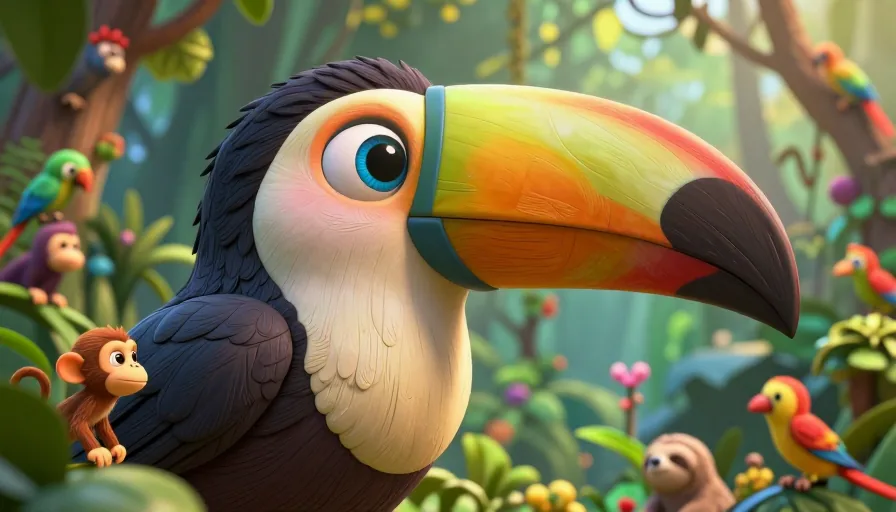
Mastering Animals in Spanish: A Comprehensive Guide with Cultural Context and Interactive Learning
Learning animals in Spanish is a fun and effective way to expand your vocabulary and understand the cultural significance of various creatures. This guide will help you master the names of animals in different categories, provide practical examples, and offer interactive learning tools to enhance your language skills.
Introduction to Animals in Spanish
Before diving into the categories, let's understand why learning animals in Spanish is beneficial. Animals are a universal topic that can be used in various contexts, from everyday conversations to academic discussions. Knowing the names of animals in Spanish will not only help you communicate more effectively but also give you insights into the cultural significance of these creatures in Spanish-speaking countries.
Cultural Context
In many Spanish-speaking countries, animals hold significant cultural and symbolic meanings. For example, the bull is a symbol of strength and bravery in Spain, while the jaguar is revered as a powerful and mystical creature in countries like Mexico and Brazil. Understanding these cultural nuances can enrich your language learning experience and help you connect with native speakers on a deeper level.
Interactive Learning Tools
To make your learning journey more engaging, we've included interactive elements like quizzes and audio pronunciations. These tools will help you practice and reinforce what you've learned, making the process more enjoyable and effective.
Farm Animals in Spanish
Farm animals are an essential part of rural life in Spanish-speaking countries. Here's a list of common farm animals in Spanish, along with their English translations and audio pronunciations:
| Spanish | English | Audio Pronunciation |
|---|---|---|
| vaca | cow | Listen |
| cerdo | pig | Listen |
| caballo | horse | Listen |
| oveja | sheep | Listen |
| gallina | chicken | Listen |
Practical Examples
- La vaca produce leche. (The cow produces milk.)
- El cerdo es conocido por su inteligencia. (The pig is known for its intelligence.)
- El caballo es un animal noble. (The horse is a noble animal.)
- La oveja es conocida por su lana. (The sheep is known for its wool.)
- La gallina pone huevos. (The chicken lays eggs.)
Mini Drill
Try to fill in the blanks with the correct farm animal in Spanish:
- La ______ produce leche.
- El ______ es conocido por su inteligencia.
- El ______ es un animal noble.
- La ______ es conocida por su lana.
- La ______ pone huevos.
Pet Names in Spanish
Pets are beloved companions in many households. Here's a list of common pet names in Spanish, along with their English translations and audio pronunciations:
| Spanish | English | Audio Pronunciation |
|---|---|---|
| perro | dog | Listen |
| gato | cat | Listen |
| pájaro | bird | Listen |
| pez | fish | Listen |
| conejo | rabbit | Listen |
Practical Examples
- El perro es el mejor amigo del hombre. (The dog is man's best friend.)
- El gato es independiente y misterioso. (The cat is independent and mysterious.)
- El pájaro canta hermosa música. (The bird sings beautiful music.)
- El pez nade en el agua. (The fish swims in the water.)
- El conejo es conocido por su velocidad. (The rabbit is known for its speed.)
Mini Drill
Try to match the pet name in Spanish with its English translation:
- perro
- gato
- pájaro
- pez
- conejo
a. dog b. cat c. bird d. fish e. rabbit
Zoo Animals in Spanish
Zoo animals are fascinating creatures that captivate our imagination. Here's a list of common zoo animals in Spanish, along with their English translations and audio pronunciations:
| Spanish | English | Audio Pronunciation |
|---|---|---|
| león | lion | Listen |
| elefante | elephant | Listen |
| tigre | tiger | Listen |
| jirafa | giraffe | Listen |
| mono | monkey | Listen |
Practical Examples
- El león es el rey de la selva. (The lion is the king of the jungle.)
- El elefante es conocido por su memoria. (The elephant is known for its memory.)
- El tigre es un depredador feroz. (The tiger is a fierce predator.)
- La jirafa tiene un cuello largo. (The giraffe has a long neck.)
- El mono es conocido por su inteligencia. (The monkey is known for its intelligence.)
Mini Drill
Try to fill in the blanks with the correct zoo animal in Spanish:
- El ______ es el rey de la selva.
- El ______ es conocido por su memoria.
- El ______ es un depredador feroz.
- La ______ tiene un cuello largo.
- El ______ es conocido por su inteligencia.

Aprendé Idiomas con YouTube
Mirá videos en tu idioma objetivo, capturá palabras nuevas como flashcards automáticamente, y seguí tu progreso — todo en un solo lugar.
Ver Cómo Funciona →Sea Animals in Spanish
Sea animals are mysterious and enchanting creatures that inhabit the depths of the ocean. Here's a list of common sea animals in Spanish, along with their English translations and audio pronunciations:
| Spanish | English | Audio Pronunciation |
|---|---|---|
| tiburón | shark | Listen |
| ballena | whale | Listen |
| pulpo | octopus | Listen |
| delfín | dolphin | Listen |
| pez | fish | Listen |
Practical Examples
- El tiburón es un depredador temido. (The shark is a feared predator.)
- La ballena es el animal más grande del mundo. (The whale is the largest animal in the world.)
- El pulpo es conocido por su inteligencia. (The octopus is known for its intelligence.)
- El delfín es conocido por su amabilidad. (The dolphin is known for its kindness.)
- El pez nade en el agua. (The fish swims in the water.)
Mini Drill
Try to match the sea animal in Spanish with its English translation:
- tiburón
- ballena
- pulpo
- delfín
- pez
a. shark b. whale c. octopus d. dolphin e. fish
Jungle Animals in Spanish
Jungle animals are exotic and fascinating creatures that inhabit the dense forests of the world. Here's a list of common jungle animals in Spanish, along with their English translations and audio pronunciations:
| Spanish | English | Audio Pronunciation |
|---|---|---|
| jaguar | jaguar | Listen |
| mono | monkey | Listen |
| serpiente | snake | Listen |
| loro | parrot | Listen |
| tapir | tapir | Listen |
Practical Examples
- El jaguar es un depredador poderoso. (The jaguar is a powerful predator.)
- El mono es conocido por su inteligencia. (The monkey is known for its intelligence.)
- La serpiente es un animal temido. (The snake is a feared animal.)
- El loro es conocido por su capacidad de hablar. (The parrot is known for its ability to speak.)
- El tapir es un animal raro. (The tapir is a rare animal.)
Mini Drill
Try to fill in the blanks with the correct jungle animal in Spanish:
- El ______ es un depredador poderoso.
- El ______ es conocido por su inteligencia.
- La ______ es un animal temido.
- El ______ es conocido por su capacidad de hablar.
- El ______ es un animal raro.
Forest Animals in Spanish
Forest animals are creatures that inhabit the wooded areas of the world. Here's a list of common forest animals in Spanish, along with their English translations and audio pronunciations:
| Spanish | English | Audio Pronunciation |
|---|---|---|
| oso | bear | Listen |
| lobo | wolf | Listen |
| ciervo | deer | Listen |
| ardilla | squirrel | Listen |
| zorro | fox | Listen |
Practical Examples
- El oso es un animal fuerte. (The bear is a strong animal.)
- El lobo es conocido por su aullido. (The wolf is known for its howl.)
- El ciervo es un animal ágil. (The deer is an agile animal.)
- La ardilla es conocida por su cola peluda. (The squirrel is known for its bushy tail.)
- El zorro es conocido por su astucia. (The fox is known for its cunning.)
Mini Drill
Try to match the forest animal in Spanish with its English translation:
- oso
- lobo
- ciervo
- ardilla
- zorro
a. bear b. wolf c. deer d. squirrel e. fox
Checklist for Mastering Animals in Spanish
To ensure you've mastered the names of animals in Spanish, use this checklist to review and practice:
- Review the lists of animals in each category (farm, pet, zoo, sea, jungle, forest).
- Practice the audio pronunciations for each word.
- Complete the mini drills for each category.
- Create your own sentences using the animal names in Spanish.
- Engage with native speakers to practice and reinforce what you've learned.
Interactive Quiz
Test your knowledge with this interactive quiz. Answer the following questions to see how well you've mastered the names of animals in Spanish:
-
What is the Spanish word for 'dog'? a. gato b. perro c. pájaro d. pez
-
Which animal is known for its long neck in Spanish? a. elefante b. jirafa c. mono d. tigre
-
What is the Spanish word for 'shark'? a. ballena b. delfín c. tiburón d. pulpo
-
Which animal is known for its memory in Spanish? a. león b. elefante c. tigre d. jirafa
-
What is the Spanish word for 'jaguar'? a. mono b. serpiente c. jaguar d. loro
Conclusion
Learning animals in Spanish is not only fun but also a practical way to expand your vocabulary and understand the cultural significance of these creatures. By using this comprehensive guide, you'll be well on your way to mastering the names of animals in Spanish and engaging in meaningful conversations with native speakers.
Preguntas frecuentes
Why is it important to learn animals in Spanish?
Learning animals in Spanish is important because it helps you expand your vocabulary, understand cultural contexts, and engage in conversations about a universal topic. Animals are mentioned in various contexts, from everyday conversations to academic discussions, making this knowledge practical and useful.
How can I practice and reinforce what I've learned?
To practice and reinforce what you've learned, use the interactive tools provided, such as audio pronunciations and mini drills. Additionally, create your own sentences using the animal names in Spanish and engage with native speakers to apply your knowledge in real-life situations.
Are there any cultural nuances I should be aware of when learning animals in Spanish?
Yes, many animals hold significant cultural and symbolic meanings in Spanish-speaking countries. For example, the bull is a symbol of strength and bravery in Spain, while the jaguar is revered as a powerful and mystical creature in countries like Mexico and Brazil. Understanding these nuances can enrich your language learning experience.
Frases relacionadas
Empezá con Metheus
Mirá videos en tu idioma objetivo, capturá palabras nuevas como flashcards automáticamente, y seguí tu progreso — todo en un solo lugar.
Comenzar →

