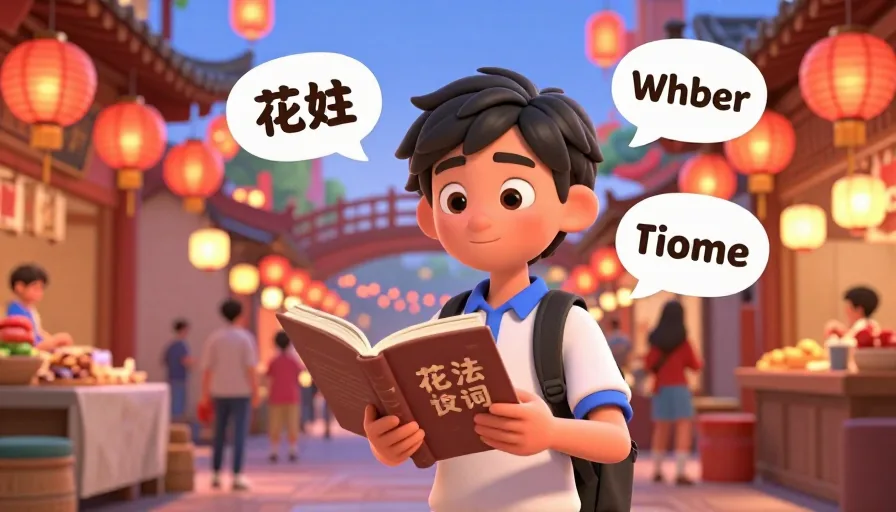
Learning Chinese to English translation is a valuable skill that opens doors to cultural understanding, business opportunities, and personal growth. Whether you're a student, a professional, or a language enthusiast, mastering this translation process can significantly enhance your language learning journey. This guide will walk you through the benefits of learning Chinese, common challenges in translation, practical tips for effective translation, and useful tools and resources to aid your learning.
Introduction to Chinese to English Translation
Chinese to English translation involves converting text from Chinese to English while preserving the original meaning and context. This process requires a deep understanding of both languages, cultural nuances, and effective use of translation tools. Whether you're translating documents, websites, or conversational text, the goal is to produce accurate and natural-sounding English text.
Benefits of Learning Chinese
Learning Chinese offers numerous benefits, including:
- Cultural Understanding: Understanding Chinese culture through language learning enriches your perspective and fosters cultural sensitivity.
- Career Opportunities: Proficiency in Chinese opens doors to job opportunities in international business, diplomacy, and academia.
- Cognitive Benefits: Learning a new language improves cognitive functions, memory, and problem-solving skills.
- Travel and Communication: Knowing Chinese enhances your travel experiences and enables you to communicate with native speakers effectively.
- Academic Advantages: Many academic programs and research opportunities require proficiency in multiple languages, including Chinese.
Practical Exercise: Cultural Immersion
To deepen your understanding of Chinese culture, try the following exercise:
- Watch a Chinese movie or TV show with English subtitles.
- Read a Chinese novel or short story in English translation.
- Engage with Chinese social media platforms like WeChat or Weibo.
Common Challenges in Translation
Translating from Chinese to English presents several challenges, including:
- Character Complexity: Chinese characters are complex and can have multiple meanings, making accurate translation difficult.
- Cultural Nuances: Cultural references and idioms can be challenging to translate accurately without losing their original meaning.
- Grammar and Syntax: Chinese and English have different grammatical structures, which can lead to awkward or incorrect translations.
- Contextual Understanding: Understanding the context of the original text is crucial for accurate translation, especially in idiomatic expressions and colloquial language.
- Technical Jargon: Translating technical or specialized terms requires domain-specific knowledge.
Checklist for Overcoming Translation Challenges
- Use Reliable Translation Tools: Utilize tools like Google Translate, DeepL, or CAMB.AI for initial translations.
- Consult Dictionaries and Glossaries: Use specialized dictionaries and glossaries for technical terms.
- Seek Native Speaker Feedback: Have a native speaker review your translations for accuracy and naturalness.
- Practice Regularly: Regular practice improves your translation skills and familiarity with both languages.
- Learn Cultural Context: Study Chinese culture to better understand idioms and cultural references.

Aprendé Idiomas con YouTube
Mirá videos en tu idioma objetivo, capturá palabras nuevas como flashcards automáticamente, y seguí tu progreso — todo en un solo lugar.
Ver Cómo Funciona →Practical Tips for Effective Translation
Effective translation requires a combination of language skills, cultural understanding, and practical techniques. Here are some tips to enhance your translation process:
- Understand the Context: Before starting the translation, understand the context and purpose of the original text.
- Use Translation Memory: Utilize translation memory tools to store and reuse previously translated segments, ensuring consistency.
- Break Down Complex Sentences: Simplify complex sentences by breaking them down into smaller, manageable parts.
- Check for Accuracy: Verify the accuracy of your translation by comparing it with the original text and using multiple translation tools.
- Proofread and Edit: Thoroughly proofread and edit your translation for grammatical errors, punctuation, and style.
Mini Drill: Contextual Translation
Practice translating the following sentences, focusing on context and cultural nuances:
- 你好 (Nǐ hǎo) - Hello
- 你吃饭了吗?(Nǐ chī fàn le ma?) - Have you eaten?
- 你在干什么?(Nǐ zài gàn shénme?) - What are you doing?
- 我爱你 (Wǒ ài nǐ) - I love you
- 你叫什么名字?(Nǐ jiào shénme míngzi?) - What is your name?
Useful Translation Tools and Resources
Several tools and resources can aid in your Chinese to English translation journey. Here are some recommendations:
- Google Translate: A widely used tool for quick translations and language learning.
- DeepL Translator: Known for its accuracy and natural-sounding translations.
- CAMB.AI: Offers AI-powered translations and voiceovers for various formats.
- Pleco: A comprehensive Chinese dictionary and learning tool for mobile devices.
- Anki: A flashcard app for learning and memorizing vocabulary and phrases.
Expert Insights on Language Learning
Expert Tip 1: Consistency is Key
Consistent practice is essential for language learning. Dedicate a specific time each day to study and practice translation.
Expert Tip 2: Immerse Yourself in the Language
Surround yourself with Chinese language materials, such as books, movies, and music, to enhance your learning experience.
Expert Tip 3: Join Language Exchange Programs
Participate in language exchange programs to practice speaking and translating with native speakers.
Expert Tip 4: Use Language Learning Platforms
Integrate language learning platforms like Metheus.app with your translation practice to track your progress and receive personalized feedback.
Expert Tip 5: Stay Updated with Language Trends
Keep up with the latest trends and developments in language learning and translation to stay ahead.
Conclusion
Mastering Chinese to English translation is a rewarding journey that enhances your language skills and cultural understanding. By following the practical tips, utilizing useful tools, and overcoming common challenges, you can achieve accurate and natural-sounding translations. Embrace the benefits of learning Chinese and integrate language learning platforms into your practice for a comprehensive learning experience.
Preguntas frecuentes
How can I improve my Chinese to English translation skills?
Improve your translation skills by practicing regularly, using reliable translation tools, consulting dictionaries, seeking native speaker feedback, and learning cultural context. Integrate language learning platforms like Metheus.app for personalized feedback and progress tracking.
What are the common challenges in Chinese to English translation?
Common challenges include character complexity, cultural nuances, grammatical differences, contextual understanding, and technical jargon. Use translation memory tools, dictionaries, and native speaker feedback to overcome these challenges.
What tools can help with Chinese to English translation?
Useful tools include Google Translate, DeepL Translator, CAMB.AI, Pleco, and Anki. These tools offer quick translations, accurate results, and language learning features to aid your translation process.
Frases relacionadas
Empezá con Metheus
Mirá videos en tu idioma objetivo, capturá palabras nuevas como flashcards automáticamente, y seguí tu progreso — todo en un solo lugar.
Comenzar →

