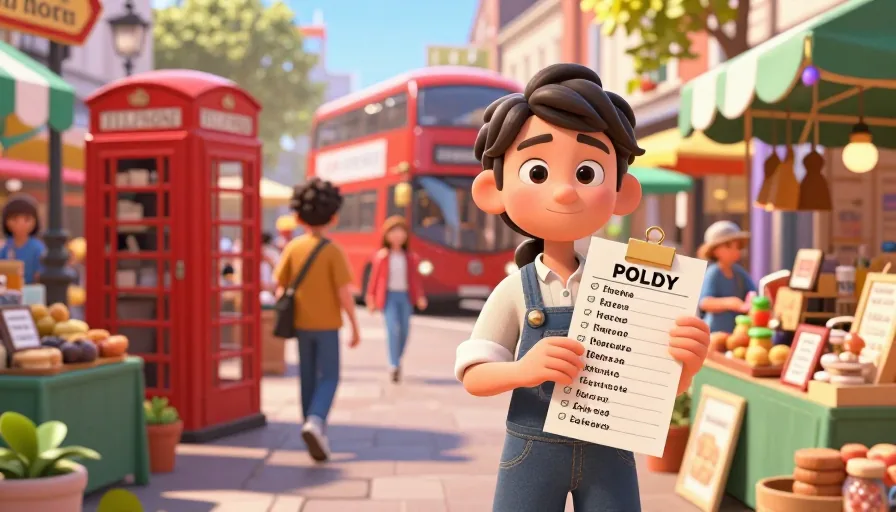
compras en ingles: guía práctica y clara para dominar este tema en contexto real.
Mastering Compras en Inglés: A Comprehensive Guide for Spanish Speakers
Mastering compras en inglés is essential for Spanish speakers who want to navigate shopping scenarios confidently. This guide covers key vocabulary, common phrases, and cultural nuances to help you communicate effectively in English while shopping.
Essential Vocabulary for Shopping in English
To start, familiarize yourself with the following essential vocabulary for shopping in English. This list includes nouns, verbs, and adjectives that you will commonly encounter.
Nouns
- Store: Tienda
- Product: Producto
- Price: Precio
- Cashier: Cajero
- Receipt: Recibo
- Cart: Carrito
- Aisle: Pasillo
- Counter: Mostrador
- Discount: Descuento
- Sale: Oferta
Verbs
- To buy: Comprar
- To pay: Pagar
- To return: Devolver
- To browse: Mirar
- To try on: Probarse
- To check out: Pasar por caja
- To compare: Comparar
- To ask for: Pedir
Adjectives
- Expensive: Caro
- Cheap: Barato
- Comfortable: Cómodo
- Fashionable: A la moda
- Durable: Duradero
- Colorful: Colorido
- Useful: Útil
- Popular: Popular
Mini Drill: Fill in the Blanks
Complete the following sentences with the appropriate vocabulary:
- I want to _______ some new clothes for the summer.
- The _______ at the store was very helpful.
- I found a _______ dress on sale.
- Let's _______ the prices before we buy.
- The _______ was very busy today.
Common Phrases for Different Shopping Scenarios
Understanding common phrases used in shopping scenarios will help you navigate different situations with ease. Here are some practical examples:
At the Store
- Excuse me, where can I find the _______?: ¿Disculpe, dónde puedo encontrar el _______?
- Do you have this in a different size?: ¿Tiene esto en una talla diferente?
- Can I try this on?: ¿Puedo probarme esto?
- How much does this cost?: ¿Cuánto cuesta esto?
- I'll take it: Lo llevaré.
At the Checkout
- I'd like to return this item: Me gustaría devolver este artículo.
- Can I have a receipt, please?: ¿Puedo tener un recibo, por favor?
- Do you accept credit cards?: ¿Aceptan tarjetas de crédito?
- Can I get a discount?: ¿Puedo obtener un descuento?
- I need a bag for this: Necesito una bolsa para esto.
Making Comparisons
- Which one is cheaper?: ¿Cuál es más barato?
- This is more expensive than I thought: Esto es más caro de lo que pensaba.
- I prefer the blue one: Prefiero el azul.
- Can you show me something similar?: ¿Puede mostrarme algo similar?
- I need to think about it: Necesito pensarlo.
Understanding 'Purchases' vs. 'Shopping': A Nuance Guide
The terms 'compras' in Spanish can be translated to 'purchases' or 'shopping' in English, but there are nuances to consider.
Purchases
- Purchases refers to the act of buying something. It is often used in a formal or business context.
- Example: I made several purchases at the store today.
- Translation: Hice varias compras en la tienda hoy.
Shopping
- Shopping refers to the activity of going to stores to look at and buy things. It is more casual and often used in everyday conversation.
- Example: I love going shopping on weekends.
- Translation: Me encanta ir de compras los fines de semana.
Mini Drill: True or False
Determine if the following statements are true or false:
- Purchases and shopping mean the same thing in English.
- Shopping is more formal than purchases.
- You can use 'purchases' to describe the act of buying something.
- Shopping is often used in business contexts.
- You can use 'shopping' to describe the activity of going to stores.

Aprendé Idiomas con YouTube
Mirá videos en tu idioma objetivo, capturá palabras nuevas como flashcards automáticamente, y seguí tu progreso — todo en un solo lugar.
Ver Cómo Funciona →Pronunciation Tips for Key Shopping Terms
Pronunciation is crucial for clear communication. Here are some tips for pronouncing key shopping terms correctly:
- Store: /stɔːr/
- Product: /ˈprɒdʌkt/
- Price: /praɪs/
- Cashier: /ˈkæʃɪər/
- Receipt: /rɪˈsiːt/
- Cart: /kɑːrt/
- Aisle: /aɪl/
- Counter: /ˈkaʊntər/
- Discount: /ˈdɪsˌkaʊnt/
- Sale: /seɪl/
Practice Exercise
Listen to the following words and repeat them aloud to improve your pronunciation:
- Store
- Product
- Price
- Cashier
- Receipt
- Cart
- Aisle
- Counter
- Discount
- Sale
Regional Variations in English Usage
English usage can vary by region, especially between American and British English. Here are some key differences to note:
American English
- Store: Tienda
- Cart: Carrito
- Check out: Pasar por caja
- Cashier: Cajero
- Receipt: Recibo
British English
- Shop: Tienda
- Trolley: Carrito
- Check out: Pasar por caja
- Cashier: Cajero
- Receipt: Recibo
Mini Drill: Match the Terms
Match the American English terms with their British English equivalents:
- Store
- Cart
- Check out
- Cashier
- Receipt
A. Shop B. Trolley C. Check out D. Cashier E. Receipt
Contextual Examples for Practical Application
To apply what you've learned, here are some contextual examples for practical use:
Scenario 1: Buying Clothes
- You: Excuse me, where can I find the men's section?
- Store Assistant: It's on the second floor, next to the escalator.
- You: Thank you.
- Store Assistant: You're welcome.
Scenario 2: Returning an Item
- You: I'd like to return this item, please.
- Cashier: Sure, do you have the receipt?
- You: Yes, here it is.
- Cashier: Thank you. I'll process the return for you.
Scenario 3: Asking for a Discount
- You: Can I get a discount on this item?
- Cashier: We have a 10% discount on all purchases today.
- You: Great, I'll take it.
Scenario 4: Comparing Prices
- You: Which one is cheaper, the red or the blue?
- Store Assistant: The red one is $20, and the blue one is $25.
- You: I'll take the red one, please.
Scenario 5: Asking for Help
- You: Can you show me something similar to this?
- Store Assistant: Of course, follow me.
- You: Thank you.
Checklist for Effective Compras en Inglés
Use this checklist to ensure you're prepared for your next shopping trip in English:
- I can name at least 10 essential shopping terms in English.
- I understand the difference between 'purchases' and 'shopping'.
- I can ask for help and make comparisons in English.
- I know how to handle returns and ask for discounts.
- I can pronounce key shopping terms correctly.
- I am aware of regional variations in English usage.
By following this guide, you'll be well-equipped to handle compras en inglés with confidence and fluency. Happy shopping!
Preguntas frecuentes
What is the difference between 'purchases' and 'shopping' in English?
The term 'purchases' refers to the act of buying something and is often used in formal or business contexts. 'Shopping,' on the other hand, refers to the activity of going to stores to look at and buy things and is more casual, often used in everyday conversation.
How can I improve my pronunciation of shopping terms in English?
Practice listening to and repeating key shopping terms aloud. Pay attention to the pronunciation guides provided and use online resources or language learning apps for additional practice.
Are there regional variations in English usage for shopping terms?
Yes, there are regional variations. For example, in American English, you might use 'store' and 'cart,' while in British English, you might use 'shop' and 'trolley.' Understanding these differences can help you communicate more effectively in different English-speaking regions.
Frases relacionadas
Empezá con Metheus
Mirá videos en tu idioma objetivo, capturá palabras nuevas como flashcards automáticamente, y seguí tu progreso — todo en un solo lugar.
Comenzar →

