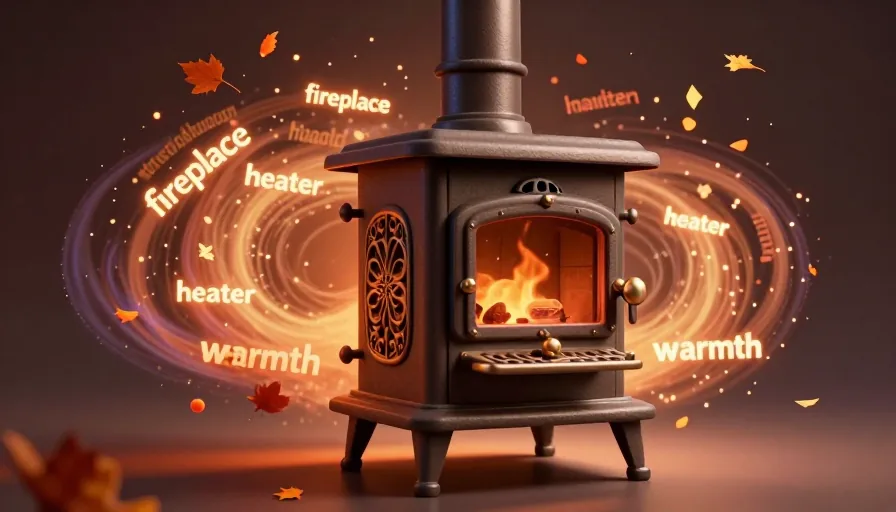
When learning Spanish, understanding the translation of 'estufa' to English is crucial for effective communication. 'Estufa' translates to 'stove' or 'heater' in English, depending on the context. This guide will provide you with comprehensive translations, common phrases, audio pronunciations, and usage examples to help you master the term 'estufa' in English.
What is 'Estufa' in English?
The word 'estufa' in Spanish translates to 'stove' or 'heater' in English. The context in which 'estufa' is used determines the appropriate translation. For example, in a kitchen setting, 'estufa' refers to a 'stove,' while in a living room or bedroom, it refers to a 'heater.'
Common Mistakes
A common mistake is using 'estufa' interchangeably with 'hogar' or 'chimenea,' which refer to 'home' and 'fireplace,' respectively. Understanding the context is key to avoiding these errors.
Mini Drill
Translate the following sentences from Spanish to English:
- La estufa en la cocina está caliente.
- Necesitamos una estufa para calentar el sótano.
- La estufa de gas es más eficiente que la eléctrica.
Common Phrases Using 'Estufa'
Understanding common phrases that include 'estufa' can help you use the word more naturally in conversation. Here are some examples:
- La estufa está encendida. - The stove/heater is on.
- Apaga la estufa antes de salir. - Turn off the stove/heater before leaving.
- La estufa de leña es muy tradicional en el campo. - The wood stove is very traditional in the countryside.
- La estufa eléctrica es más segura para los niños. - The electric stove is safer for children.
- La estufa de gas es más eficiente. - The gas stove is more efficient.

Aprendé Idiomas con YouTube
Mirá videos en tu idioma objetivo, capturá palabras nuevas como flashcards automáticamente, y seguí tu progreso — todo en un solo lugar.
Ver Cómo Funciona →Audio Pronunciations
Listening to the correct pronunciation of 'estufa' can help you improve your speaking skills. Here are some audio pronunciations to help you:
- Estufa - [es-tu-fa]
- La estufa está encendida - [la es-tu-fa es-ta en-sen-di-da]
- Apaga la estufa - [a-pa-ga la es-tu-fa]
Interactive Audio Pronunciations
Use the following audio links to listen to the correct pronunciation:
Usage Examples in Sentences
Practicing 'estufa' in sentences can help you become more comfortable with the word. Here are some examples:
- La estufa en la cocina está caliente. - The stove in the kitchen is hot.
- Necesitamos una estufa para calentar el sótano. - We need a heater to warm up the basement.
- La estufa de gas es más eficiente que la eléctrica. - The gas stove is more efficient than the electric one.
- La estufa de leña es muy tradicional en el campo. - The wood stove is very traditional in the countryside.
- La estufa eléctrica es más segura para los niños. - The electric stove is safer for children.
Checklist for Using 'Estufa'
- Understand the context to choose the correct translation (stove or heater).
- Practice common phrases to use 'estufa' naturally.
- Listen to audio pronunciations to improve your speaking skills.
- Use 'estufa' in sentences to become more comfortable with the word.
- Avoid common mistakes by understanding the differences between 'estufa,' 'hogar,' and 'chimenea.'
Comparative Analysis with Similar Words
To further enhance your understanding, let's compare 'estufa' with similar words:
- Estufa vs. Hogar
- Estufa: Refers to a stove or heater.
- Hogar: Refers to a home.
- Estufa vs. Chimenea
- Estufa: Refers to a stove or heater.
- Chimenea: Refers to a fireplace.
- Estufa vs. Cocina
- Estufa: Refers to a stove or heater.
- Cocina: Refers to a kitchen.
Cultural Context and Usage Examples
In Spanish-speaking countries, the use of 'estufa' can vary based on cultural practices. For example, in rural areas, wood stoves are commonly used for heating and cooking. In urban areas, electric or gas stoves are more prevalent. Understanding these cultural nuances can help you use 'estufa' more appropriately in different contexts.
Conclusion
Mastering the translation and usage of 'estufa' in English is essential for effective communication in Spanish. By understanding the context, practicing common phrases, listening to audio pronunciations, and using the word in sentences, you can improve your language skills and communicate more confidently.
Preguntas frecuentes
What is the difference between 'estufa' and 'hogar'?
'Estufa' refers to a stove or heater, while 'hogar' refers to a home. Understanding this difference is crucial for accurate translation and usage.
How do I pronounce 'estufa' correctly?
The correct pronunciation of 'estufa' is [es-tu-fa]. You can listen to audio pronunciations to improve your speaking skills.
Can 'estufa' be used interchangeably with 'chimenea'?
No, 'estufa' and 'chimenea' have different meanings. 'Estufa' refers to a stove or heater, while 'chimenea' refers to a fireplace. Using them interchangeably can lead to misunderstandings.
Frases relacionadas
Empezá con Metheus
Mirá videos en tu idioma objetivo, capturá palabras nuevas como flashcards automáticamente, y seguí tu progreso — todo en un solo lugar.
Comenzar →

