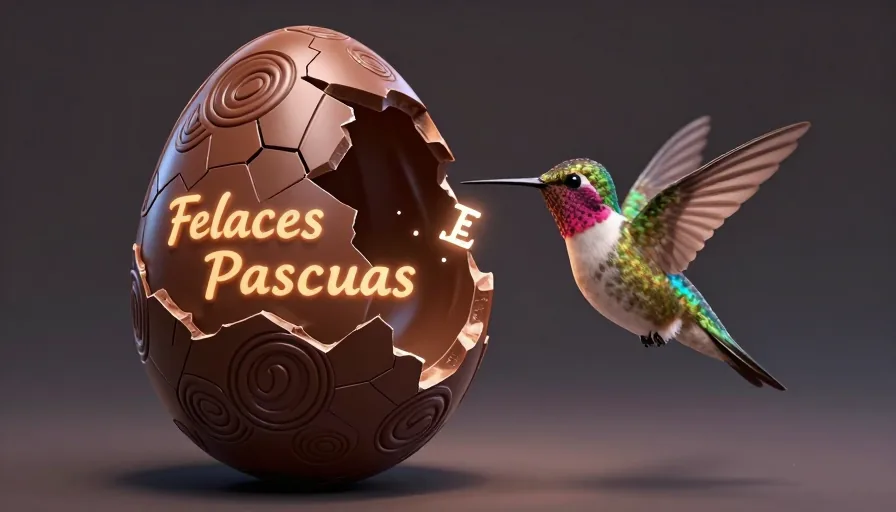
Happy Easter Significado: A Comprehensive Guide to Understanding 'Felices Pascuas' in Spanish
Easter, or 'Pascua' in Spanish, is a significant holiday celebrated worldwide, and understanding the happy easter significado is essential for Spanish language learners. This guide will delve into the meaning of 'Happy Easter' in Spanish, its cultural significance, and how to use 'Felices Pascuas' in various contexts.
What Does 'Happy Easter' Mean in Spanish?
The direct translation of 'Happy Easter' in Spanish is 'Felices Pascuas.' This phrase is used to wish someone a joyful and blessed Easter. It's important to note that while 'Felices Pascuas' is the most common translation, you might also encounter 'Pascua Feliz,' which means 'Happy Easter' but is less frequently used.
Cultural Significance of Easter in Spanish-Speaking Countries
Easter holds deep cultural and religious significance in Spanish-speaking countries. It is a time for family gatherings, religious observances, and traditional celebrations. Here are some key aspects:
- Religious Observances: Many Spanish-speaking countries have strong Catholic traditions, and Easter is a time for church services, processions, and religious rituals.
- Family Gatherings: Families come together to share meals and celebrate. Traditional dishes vary by region but often include lamb, seafood, and special desserts.
- Processions and Parades: In countries like Spain and Mexico, elaborate processions and parades are held, featuring religious icons and traditional costumes.
Common Easter Greetings in Spanish
While 'Felices Pascuas' is the most common greeting, there are other phrases you might hear during Easter:
- ¡Feliz Pascua!: This is another way to say 'Happy Easter,' though it's less common than 'Felices Pascuas.'
- ¡Que tengas una Pascua bendecida!: This means 'May you have a blessed Easter' and is often used to wish someone a spiritually enriching holiday.
- ¡Feliz Domingo de Resurrección!: This translates to 'Happy Resurrection Sunday' and is used to celebrate the resurrection of Jesus Christ.
How to Use 'Felices Pascuas' in Sentences
Here are some practical examples of how to use 'Felices Pascuas' in sentences:
- Felices Pascuas a todos mis amigos y familiares. (Happy Easter to all my friends and family.)
- Espero que tengas unas Felices Pascuas llenas de amor y alegría. (I hope you have a Happy Easter filled with love and joy.)
- ¡Felices Pascuas! Que este día esté lleno de bendiciones para ti y los tuyos. (Happy Easter! May this day be filled with blessings for you and your loved ones.)
Mini Drill: Fill in the Blanks
Complete the following sentences with the appropriate Easter greeting:
- ______ a todos mis amigos y familiares.
- Espero que tengas unas ______ llenas de amor y alegría.
- ¡______! Que este día esté lleno de bendiciones para ti y los tuyos.
Checklist: Common Mistakes to Avoid
- Avoid using 'Feliz Pascua' interchangeably with 'Felices Pascuas': While both are correct, 'Felices Pascuas' is more commonly used.
- Do not confuse 'Pascua' with 'Pascua de Resurrección': 'Pascua de Resurrección' specifically refers to Easter Sunday, while 'Pascua' can refer to the entire Easter season.
- Avoid using 'Feliz Pascua' in formal settings: 'Felices Pascuas' is more formal and appropriate for greetings in professional or formal contexts.

Aprendé Idiomas con YouTube
Mirá videos en tu idioma objetivo, capturá palabras nuevas como flashcards automáticamente, y seguí tu progreso — todo en un solo lugar.
Ver Cómo Funciona →Pronunciation Guide for 'Felices Pascuas'
Pronouncing 'Felices Pascuas' correctly is essential for clear communication. Here's a breakdown:
- Felices: /feˈli.θes/ (in Spain) or /feˈli.ses/ (in Latin America)
- Pascuas: /ˈpas.kwas/
Audio Examples
Listen to the pronunciation of 'Felices Pascuas' here.
Comparison with Other Easter Greetings in Spanish
While 'Felices Pascuas' is the most common, other greetings can be used depending on the context:
- ¡Feliz Pascua!: Less formal and more casual.
- ¡Que tengas una Pascua bendecida!: More spiritual and religious in nature.
- ¡Feliz Domingo de Resurrección!: Specific to Easter Sunday and the resurrection of Jesus Christ.
Conclusion
Understanding the happy easter significado and how to use 'Felices Pascuas' in Spanish is a valuable skill for language learners. By grasping the cultural context, pronunciation, and various greetings, you can effectively communicate and participate in Easter celebrations in Spanish-speaking countries.
Final Checklist: Mastering 'Felices Pascuas'
- Learn the pronunciation of 'Felices Pascuas' and practice it regularly.
- Use 'Felices Pascuas' in various contexts to wish someone a joyful Easter.
- Understand the cultural significance of Easter in Spanish-speaking countries.
- Familiarize yourself with other common Easter greetings and their appropriate uses.
By following this guide, you'll be well-equipped to celebrate Easter in Spanish and deepen your language skills.
Preguntas frecuentes
Is 'Felices Pascuas' the only way to say 'Happy Easter' in Spanish?
No, while 'Felices Pascuas' is the most common, you can also use 'Feliz Pascua,' 'Que tengas una Pascua bendecida,' and 'Feliz Domingo de Resurrección' depending on the context.
What is the difference between 'Felices Pascuas' and 'Feliz Pascua'?
'Felices Pascuas' is more formal and commonly used, while 'Feliz Pascua' is more casual and less frequently used.
How do I pronounce 'Felices Pascuas' correctly?
Pronounce 'Felices' as /feˈli.θes/ (in Spain) or /feˈli.ses/ (in Latin America) and 'Pascuas' as /ˈpas.kwas/. Listen to audio examples for better clarity.
Frases relacionadas
Empezá con Metheus
Mirá videos en tu idioma objetivo, capturá palabras nuevas como flashcards automáticamente, y seguí tu progreso — todo en un solo lugar.
Comenzar →

