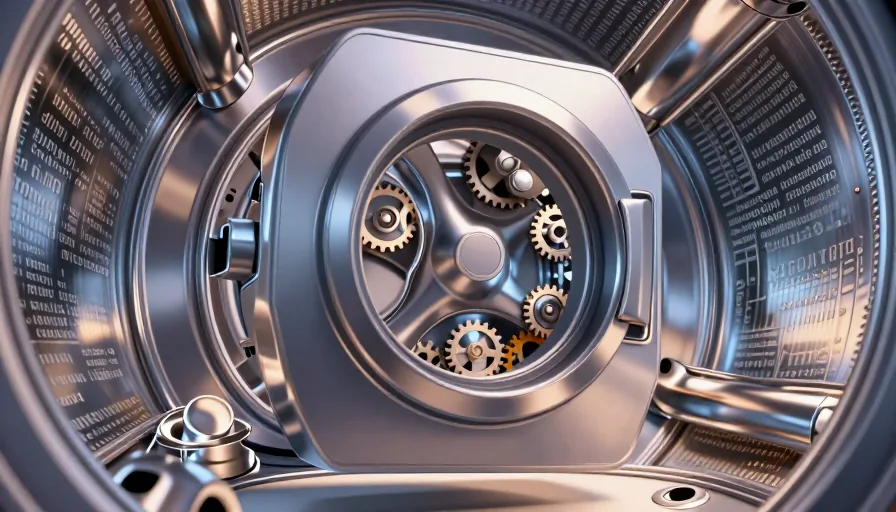
Lavadora Ingles: Mastering the Translation and Usage of 'Washing Machine' in English and Spanish
When learning Spanish, understanding how to translate and use common household items like lavadora (washing machine) is essential. This guide will help you master the translation of 'lavadora' to English, provide practical examples, and offer grammatical explanations and pronunciation guides to enhance your language skills.
Understanding the Translation of 'Lavadora'
The Spanish word 'lavadora' translates to 'washing machine' in English. This is a fundamental term for anyone learning Spanish, as it is a common household appliance. Understanding this translation is the first step in expanding your vocabulary and conversational skills.
Common Mistakes and Misconceptions
One common mistake is confusing 'lavadora' with 'secadora,' which means 'dryer.' While both are household appliances, they serve different purposes. Another mistake is using the masculine article 'el' instead of the feminine 'la' when referring to 'lavadora.'
Checklist for Correct Usage
- Translation: Lavadora = Washing Machine
- Article: Use 'la' (feminine article) before 'lavadora'
- Pronunciation: /la.βaˈðo.ɾa/
- Context: Use in sentences related to household chores and appliances
Example Sentences for Practical Use
Spanish to English
-
Spanish: La lavadora está rota. English: The washing machine is broken.
-
Spanish: Necesito comprar una lavadora nueva. English: I need to buy a new washing machine.
-
Spanish: ¿Dónde está la lavadora? English: Where is the washing machine?
English to Spanish
-
English: The washing machine is in the basement. Spanish: La lavadora está en el sótano.
-
English: I have to do the laundry today. Spanish: Tengo que hacer la colada hoy.
-
English: The washing machine is making a strange noise. Spanish: La lavadora está haciendo un ruido raro.

Aprendé Idiomas con YouTube
Mirá videos en tu idioma objetivo, capturá palabras nuevas como flashcards automáticamente, y seguí tu progreso — todo en un solo lugar.
Ver Cómo Funciona →Grammatical Insights: Feminine Nouns in Spanish
In Spanish, nouns have genders, and 'lavadora' is a feminine noun. This means it is used with feminine articles and adjectives. For example:
- La lavadora nueva (The new washing machine)
- La lavadora vieja (The old washing machine)
Mini Drill: Gender Agreement
Complete the following sentences with the correct form of the adjective:
- La lavadora ______ (nueva/ nuevo) está en el sótano.
- Necesito una lavadora ______ (grande/ grande).
- La lavadora ______ (pequeña/ pequeño) no funciona bien.
Pronunciation Guide for 'Lavadora'
Pronunciation is key to sounding natural in any language. The word 'lavadora' is pronounced as /la.βaˈðo.ɾa/. Here’s a breakdown:
- la: /la/
- va: /βa/
- do: /ðo/
- ra: /ɾa/
Interactive Audio Pronunciation
Listen to the audio pronunciation below to get a better feel for the word:
[Insert Audio Link Here]
Cultural Context for Usage
In Spanish-speaking countries, the washing machine is an essential appliance in every household. Understanding how to talk about it and its maintenance is crucial for daily conversations. For example, if you are renting an apartment, you might ask:
Spanish: ¿El apartamento tiene una lavadora? English: Does the apartment have a washing machine?
Common Phrases and Idioms
While 'lavadora' itself doesn't have many idiomatic expressions, understanding related phrases can be helpful. For example:
- Hacer la colada: To do the laundry
- Poner una lavadora: To put on a wash
- Sacar la ropa de la lavadora: To take the clothes out of the washing machine
Conclusion
Mastering the translation and usage of 'lavadora' is a significant step in your language-learning journey. By understanding the translation, practicing with example sentences, and focusing on pronunciation and grammatical accuracy, you'll be well on your way to speaking Spanish like a native.
Final Checklist
- Understand the translation of 'lavadora' to 'washing machine'
- Practice example sentences in both Spanish and English
- Master the pronunciation of 'lavadora'
- Use the correct grammatical gender for 'lavadora'
- Incorporate related phrases and idioms into your vocabulary
By following this guide, you'll be able to confidently discuss household appliances in Spanish, enhancing your overall language skills.
Preguntas frecuentes
Why is it important to use the correct article with 'lavadora'?
Using the correct article is crucial because Spanish nouns have genders, and 'lavadora' is a feminine noun. Using the masculine article 'el' instead of the feminine 'la' can lead to grammatical errors and misunderstandings. Always use 'la' before 'lavadora' to ensure correct grammar.
How can I improve my pronunciation of 'lavadora'?
Improving your pronunciation involves listening to native speakers and practicing the sounds. The word 'lavadora' is pronounced as /la.βaˈðo.ɾa/. Break it down into syllables and practice each part: 'la,' 'va,' 'do,' and 'ra.' Use interactive audio tools and repeat the word until you feel comfortable with the pronunciation.
Frases relacionadas
Empezá con Metheus
Mirá videos en tu idioma objetivo, capturá palabras nuevas como flashcards automáticamente, y seguí tu progreso — todo en un solo lugar.
Comenzar →

