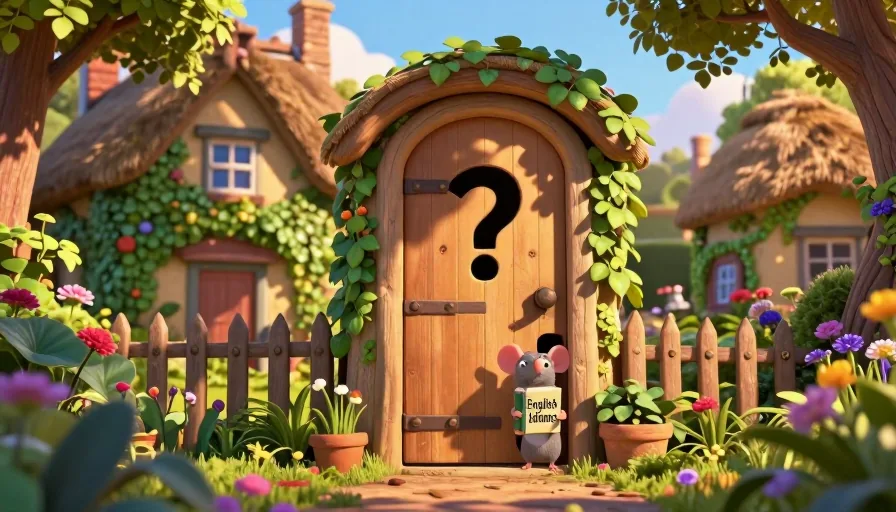
Understanding the translation and usage of 'puerta' in English is essential for anyone learning Spanish. This guide will provide a comprehensive overview of how to use 'puerta' in various contexts, including idiomatic expressions and common phrases. By the end, you'll be able to confidently translate and use 'puerta' in English.
What is 'Puerta' in English?
The Spanish word 'puerta' translates to 'door' in English. This is a fundamental word in both languages, and understanding its usage is crucial for effective communication. 'Puerta' is a feminine noun, which means it is used with feminine articles and adjectives. For example, 'la puerta' (the door) and 'una puerta' (a door).
Grammatical Gender and Usage
As mentioned, 'puerta' is a feminine noun. This means that any adjectives or articles used with 'puerta' must also be feminine. Here are some examples:
- La puerta roja (The red door)
- Una puerta grande (A big door)
- Las puertas del coche (The car doors)
Checklist for Grammatical Gender
- Ensure that all articles (la, una, las) used with 'puerta' are feminine.
- Make sure that all adjectives describing 'puerta' are in the feminine form.
- Practice using 'puerta' in sentences with different adjectives and articles.
Common Phrases and Idioms
'Puerta' is used in several common phrases and idioms in Spanish. Understanding these can help you sound more natural when speaking Spanish. Here are a few examples:
- Tocar a la puerta (To knock on the door)
- Dejar la puerta abierta (To leave the door open)
- Cerrar la puerta en las narices (To slam the door in someone's face)
- Puerta trasera (Back door)
- Puerta de entrada (Entrance door)
Mini Drill: Idiomatic Expressions
Try to translate the following idioms into English:
- Tocar a la puerta
- Dejar la puerta abierta
- Cerrar la puerta en las narices
Example Sentences
Here are some example sentences using 'puerta' in various contexts:
- Es mejor que toques a la puerta antes de entrar. (You'd better knock on the door before going in.)
- Los guardas de la puerta solo dejan entrar a personas con invitación. (The door guards only let in people with invitations.)
- La puerta del coche estaba abierta. (The car door was open.)
- Ella cerró la puerta de golpe. (She slammed the door shut.)
- La puerta de entrada estaba decorada con flores. (The entrance door was decorated with flowers.)

Aprendé Idiomas con YouTube
Mirá videos en tu idioma objetivo, capturá palabras nuevas como flashcards automáticamente, y seguí tu progreso — todo en un solo lugar.
Ver Cómo Funciona →Audio Pronunciations
Listening to the correct pronunciation of 'puerta' can help you improve your speaking skills. Here are some audio resources to help you:
Pronunciation Tips
- Listen to native speakers pronounce 'puerta' multiple times.
- Practice repeating the word aloud.
- Use language learning apps that offer pronunciation exercises.
Interactive Exercises
To reinforce your learning, try these interactive exercises:
-
Fill in the Blanks: Complete the following sentences with the correct form of 'puerta' and its related phrases.
- Es mejor que _____ a la _____ antes de entrar.
- Los guardas de la _____ solo dejan entrar a personas con invitación.
- La _____ del coche estaba abierta.
- Ella cerró la _____ de golpe.
- La _____ de entrada estaba decorada con flores.
-
Translation Quiz: Translate the following sentences from Spanish to English.
- Tocar a la puerta
- Dejar la puerta abierta
- Cerrar la puerta en las narices
-
Cultural Context: Research and write a short paragraph on how 'puerta' is used in different Spanish-speaking cultures. Consider traditions, customs, and idiomatic expressions.
Comparison with Similar Words in English
While 'puerta' translates to 'door' in English, there are some nuances to consider. For example, 'puerta' can refer to different types of doors, such as entrance doors, back doors, and car doors. In English, we might use specific terms like 'front door,' 'back door,' or 'car door' to specify the type of door. Understanding these differences can help you use 'puerta' more accurately in English.
Comparison Checklist
- Entrance Door: Puerta de entrada vs. Front door
- Back Door: Puerta trasera vs. Back door
- Car Door: Puerta del coche vs. Car door
- Knock on the Door: Tocar a la puerta vs. Knock on the door
- Leave the Door Open: Dejar la puerta abierta vs. Leave the door open
Conclusion
Mastering the translation and usage of 'puerta' in English is a crucial step in improving your Spanish to English translation skills. By understanding the grammatical gender, common phrases, and idioms, you can communicate more effectively and sound more natural. Use the interactive exercises and audio resources provided to reinforce your learning and practice regularly.
Preguntas frecuentes
Why is 'puerta' a feminine noun?
'Puerta' is a feminine noun in Spanish, which means it is used with feminine articles and adjectives. This is a fundamental aspect of Spanish grammar and is essential for correct usage.
What are some common idioms using 'puerta'?
Some common idioms using 'puerta' include 'tocar a la puerta' (to knock on the door), 'dejar la puerta abierta' (to leave the door open), and 'cerrar la puerta en las narices' (to slam the door in someone's face).
How can I improve my pronunciation of 'puerta'?
To improve your pronunciation of 'puerta,' listen to native speakers, practice repeating the word aloud, and use language learning apps that offer pronunciation exercises.
What are some interactive exercises to practice 'puerta'?
Interactive exercises to practice 'puerta' include fill-in-the-blank sentences, translation quizzes, and cultural context research. These exercises can help reinforce your learning and improve your understanding of the word.
Frases relacionadas
Empezá con Metheus
Mirá videos en tu idioma objetivo, capturá palabras nuevas como flashcards automáticamente, y seguí tu progreso — todo en un solo lugar.
Comenzar →

