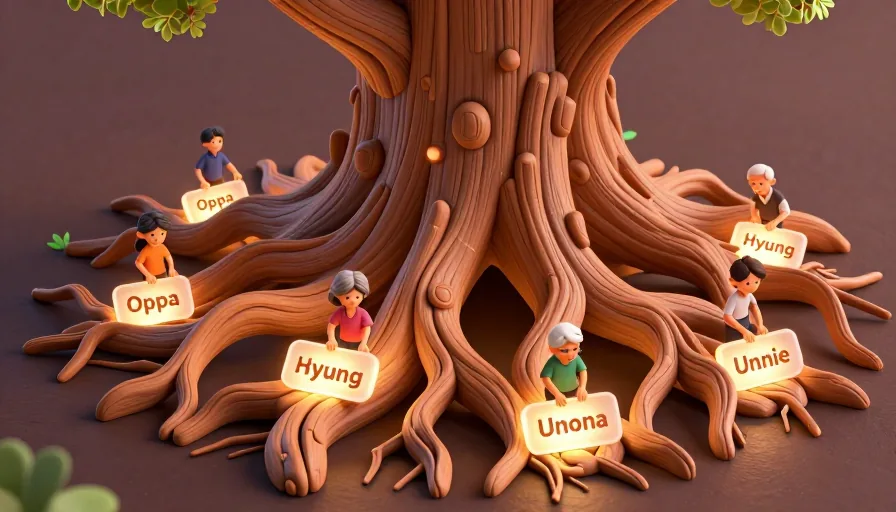
Understanding what does unnie mean in Korean is essential for anyone learning the language. Unnie (언니) is a term used to address an older sister or a female friend who is older than you. This guide will help you grasp the nuances of unnie and other Korean relationship titles, ensuring you use them respectfully and appropriately.
What is 'Unnie' (언니)? A Deep Dive into the Meaning
Unnie (언니) is a Korean term that translates to 'older sister' or 'older female friend.' It is used to address or refer to a woman who is older than you. The term is derived from the Korean word '언니' (eonni), which means 'older sister.' Unnie is a respectful and affectionate way to address someone, and it is commonly used in both family and friendly contexts.
Pronunciation Guide
- Unnie: Pronounced as /ʌn.ni/ with a stress on the first syllable.
Practical Examples
- Family Context: If you have an older sister, you would call her 'unnie' to show respect and affection.
- Friendly Context: If you meet a female friend who is older than you, you can address her as 'unnie' to show respect and build a friendly relationship.
Understanding the Korean Hierarchy: Oppa vs. Hyung vs. Noona vs. Unnie
Korean culture places a strong emphasis on hierarchy and respect, especially when it comes to addressing family members and friends. Understanding the differences between oppa, hyung, noona, and unnie is crucial for navigating these relationships.
Comparative Chart
| Term | Meaning | Used By | Example Context |
|---|---|---|---|
| Oppa | Older brother | Younger siblings (male or female) | A younger sister calling her older brother. |
| Hyung | Older brother | Younger male siblings | A younger brother calling his older brother. |
| Noona | Older sister | Younger male siblings | A younger brother calling his older sister. |
| Unnie | Older sister | Younger siblings (male or female) | A younger brother calling his older sister. |
Practical Examples
- Oppa: A younger sister might say, 'Oppa, can you help me with my homework?' to her older brother.
- Hyung: A younger brother might say, 'Hyung, let's go play soccer!' to his older brother.
- Noona: A younger brother might say, 'Noona, can you teach me how to cook?' to his older sister.
- Unnie: A younger sister might say, 'Unnie, can you help me with my makeup?' to her older sister.

Learn Languages with YouTube
Watch videos in your target language, auto-capture words into flashcards, and track your progress — all in one place.
See How It Works →Korean Title Etiquette: Navigating Respectful Address
Using the correct titles in Korean is not just about knowing the definitions; it's about understanding the cultural nuances and etiquette behind them. Here are some tips to help you navigate respectful address in Korean:
Checklist for Respectful Address
- Age: Always consider the age of the person you are addressing. Use 'unnie' for older sisters or female friends who are older than you.
- Relationship: Understand the relationship dynamics. Use 'unnie' in both family and friendly contexts.
- Context: Be mindful of the context. Use 'unnie' in informal settings to show respect and affection.
Mini Drill: Practice Respectful Address
- Imagine you are in a family setting. How would you address your older sister?
- Imagine you are in a friendly setting. How would you address a female friend who is older than you?
- Imagine you are in a formal setting. How would you address an older female colleague?
When to Use Which Title: A Practical Guide
Knowing when to use each title can be confusing, but with practice, it becomes second nature. Here are some practical guidelines to help you decide when to use oppa, hyung, noona, and unnie.
Practical Examples
- Oppa: Use 'oppa' when addressing an older brother or a male friend who is older than you.
- Hyung: Use 'hyung' when addressing an older brother or a male friend who is older than you, but only if you are male.
- Noona: Use 'noona' when addressing an older sister or a female friend who is older than you, but only if you are male.
- Unnie: Use 'unnie' when addressing an older sister or a female friend who is older than you, regardless of your gender.
Common Mistakes to Avoid
- Mistake 1: Using 'unnie' for a younger sister or female friend who is younger than you.
- Mistake 2: Using 'oppa' for a younger brother or male friend who is younger than you.
- Mistake 3: Using 'hyung' for a younger brother or male friend who is younger than you, but only if you are male.
- Mistake 4: Using 'noona' for a younger sister or female friend who is younger than you, but only if you are male.
Conclusion
Understanding what does unnie mean in Korean and how to use it correctly is a vital part of learning the language. By following the guidelines and practical examples provided in this guide, you can navigate Korean relationship titles with confidence and respect. Remember to practice regularly and be mindful of the cultural nuances to avoid any faux pas.
FAQ
Can I use 'unnie' for any older female friend, regardless of our relationship?
While 'unnie' is generally used for older sisters or female friends who are older than you, it's important to consider the context and the level of familiarity. In some cases, using 'unnie' for a female friend who is older than you might be appropriate, but it's always best to ask or observe how others in the group address each other to avoid any misunderstandings.
What if I accidentally use the wrong title?
If you accidentally use the wrong title, don't worry too much. Apologize sincerely and correct yourself. Most people will understand that you are learning and will appreciate your effort to use the correct titles. Just be mindful of the context and the relationship dynamics in the future.
Can I use 'unnie' for a female colleague who is older than me?
In a professional setting, it's generally best to use more formal titles or the person's name with a honorific suffix, such as '님' (nim). Using 'unnie' in a professional setting might be seen as too informal or disrespectful, so it's best to stick with more formal titles until you have a closer relationship with your colleague.
Related phrases
Start with Metheus
Watch videos in your target language, auto-capture words into flashcards, and track your progress — all in one place.
Get Started →

